
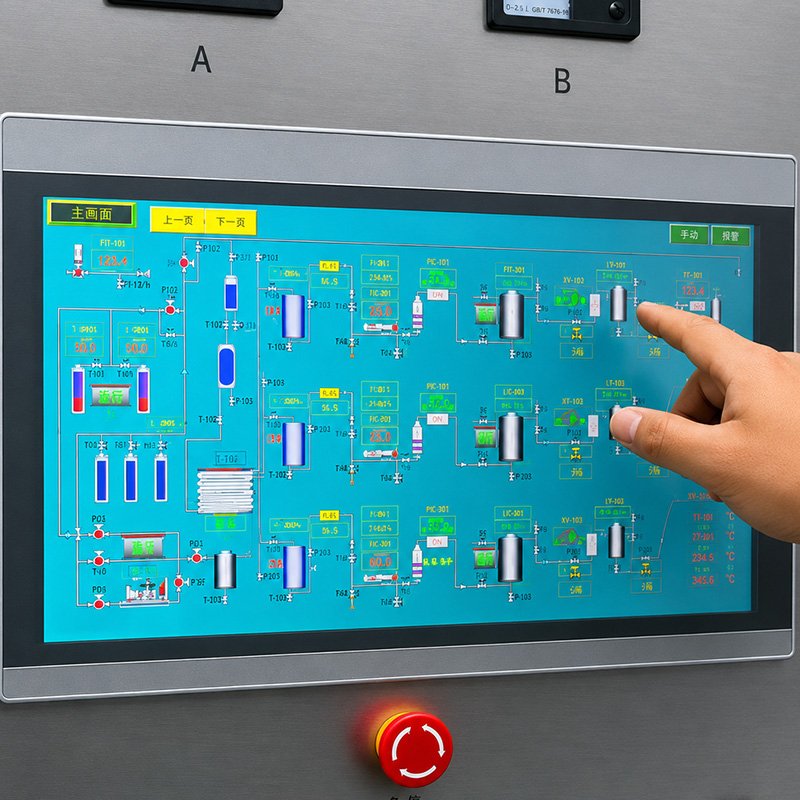
Why You Need Supercritical CO2 Extraction Equipment
- Suitable for Oils, Resin and Aroma-Rich Compounds
- Cleaner Extraction for High-Value Materials
- Inert CO2 Environment for Sensitive Extracts
- More Controlled Than Simple Solvent Extraction
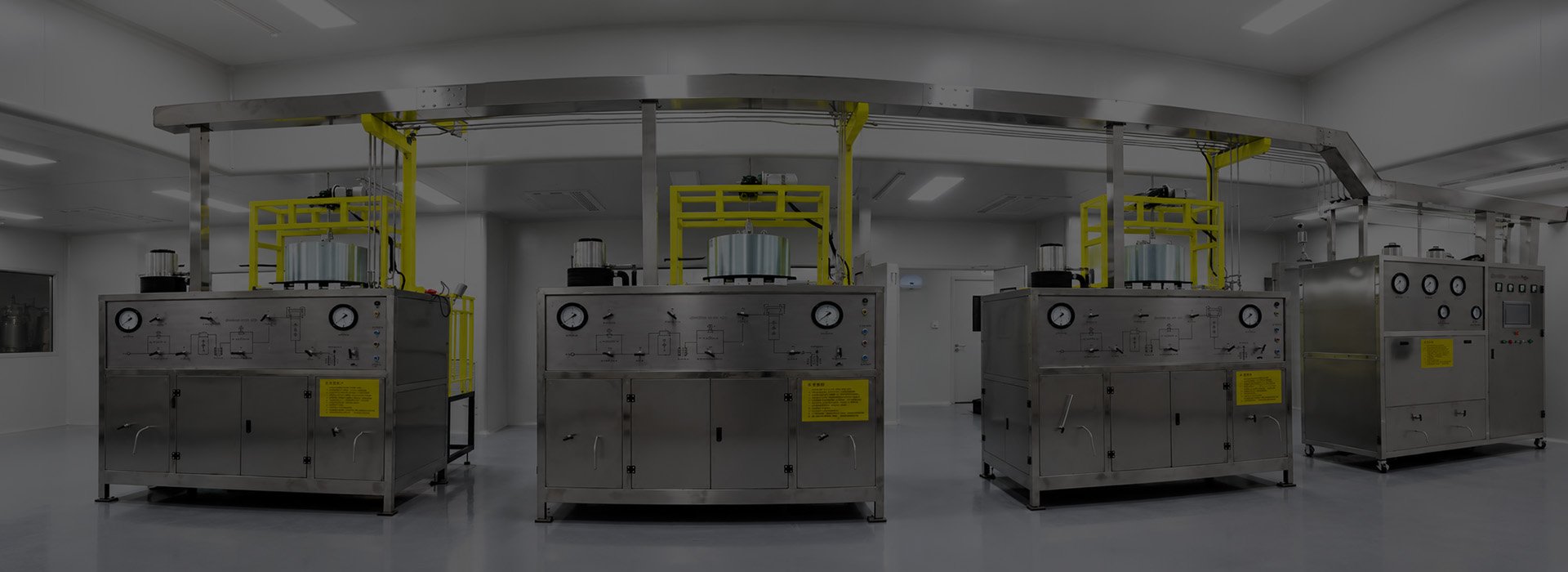
HiURTB provides supercritical CO2 extraction equipment for cannabis, hemp, essential oil and selected botanical extraction projects.
We evaluate raw material type, target extract, daily input, working schedule and downstream process before recommending a suitable CO2 extraction system configuration.
For 87L and larger CO2 extraction systems, HiURTB uses a newer multi-vessel and modular design concept focused on easy operation and stable extraction.
Compared with conventional parallel or series vessel designs, this configuration helps reduce complicated high-pressure switching, uneven extraction risk, excessive automation failure points and future maintenance pressure.
For projects that require more than crude extract production, we can also support CO2 extraction and post-processing solution planning, with optional downstream post-processing equipment such as cooling, filtration, solvent recovery, distillation and crystallization systems.
If you are not sure whether your material is suitable for CO2 extraction, you can send us your material information, target extract and capacity requirement for preliminary evaluation.
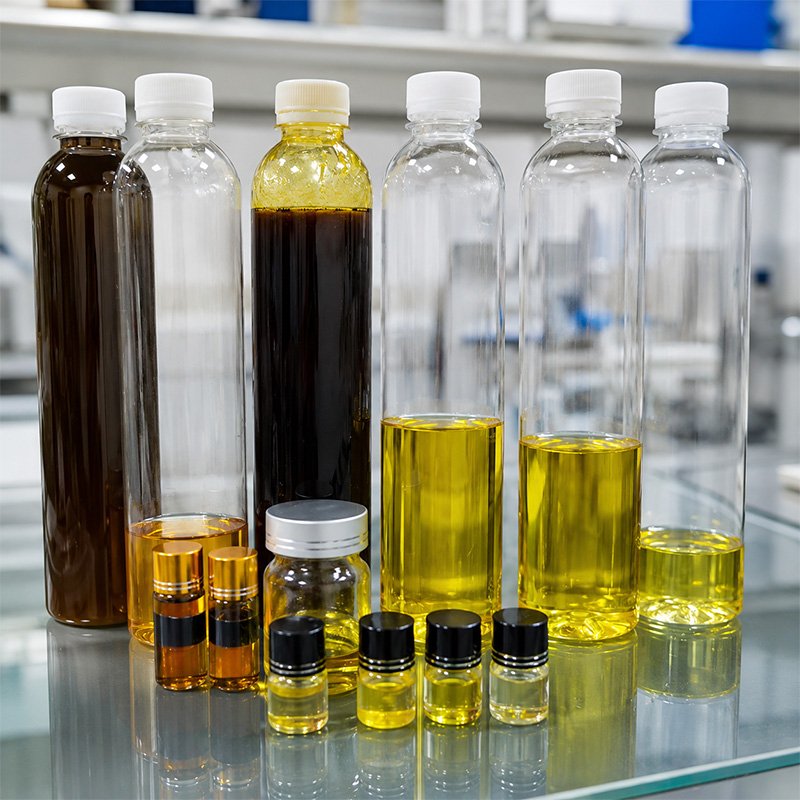
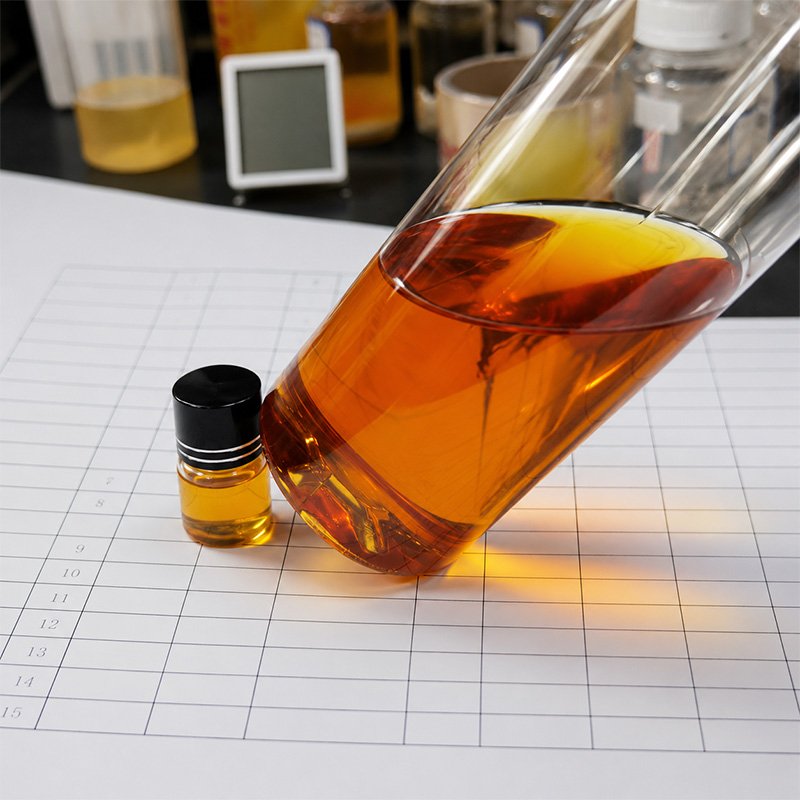
For new materials or uncertain extraction projects, sample testing can be arranged when applicable. Based on the test result, we can provide reference extraction conditions and send you extract samples for further evaluation.
You will know more about our sample testing, configuration, equipment supply and on site supports from one of our projects: CO2 extraction and process equipment in Vietnam.
Supercritical CO2 Extraction Equipment
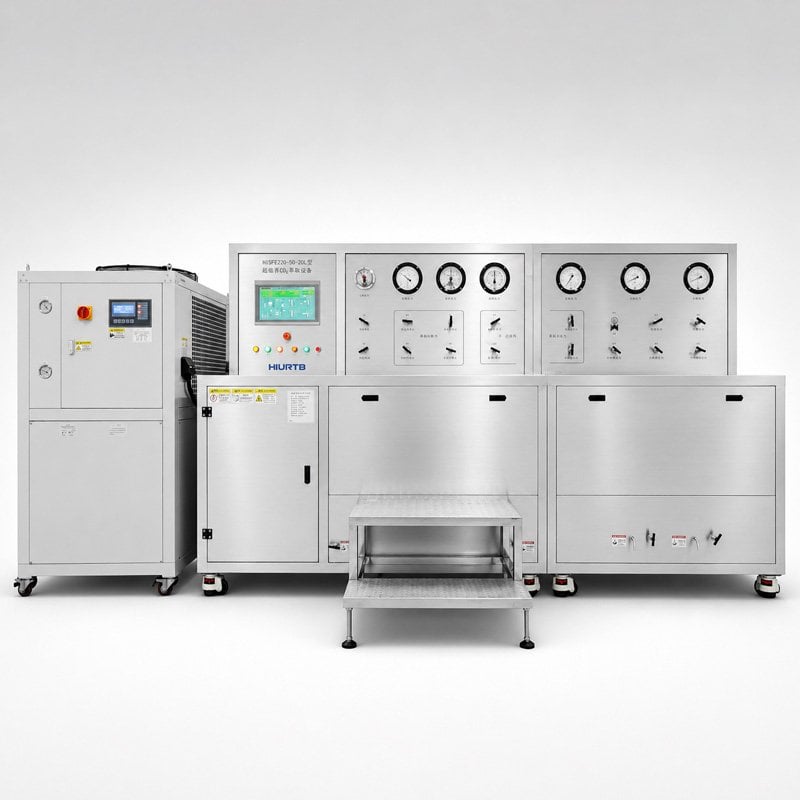
For cannabis flower, hemp biomass, trim and small buds.
CO2 Crude Extract, CBD Isolate or Distillate
THC Isolate or Distillate
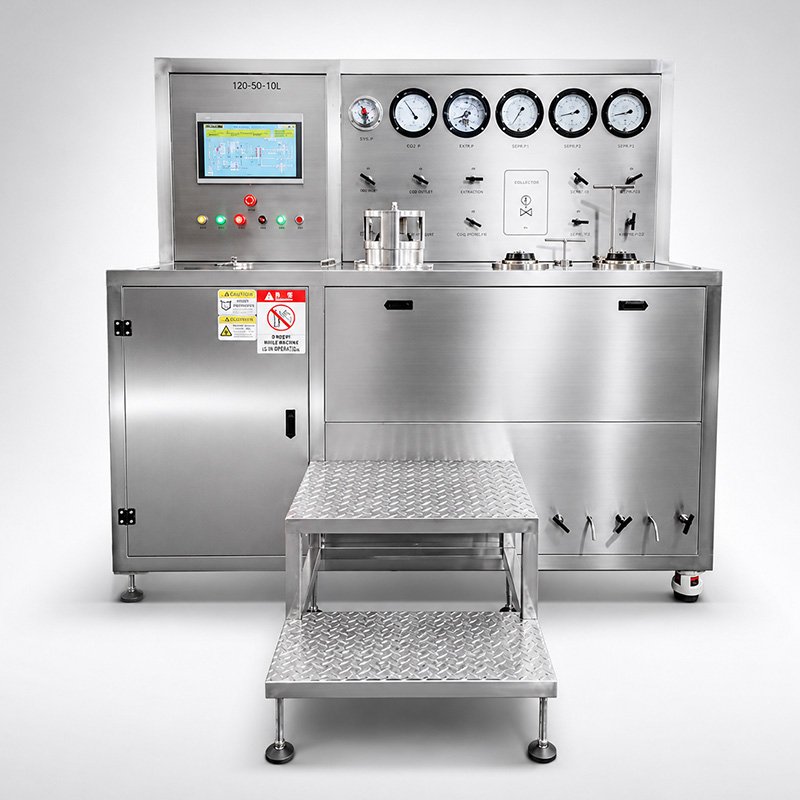
For aroma-rich plants, essential oil-type extracts, resin-like fractions and high-value natural compounds.
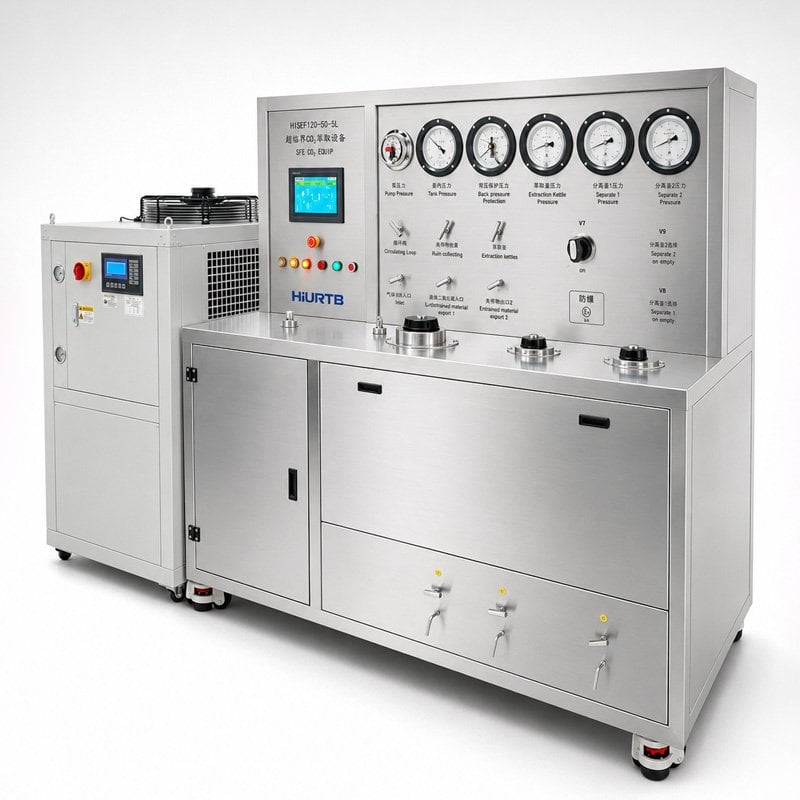
For plant materials where the target compounds are oils, aroma components, resin-like fractions or other high-value extractable compounds.
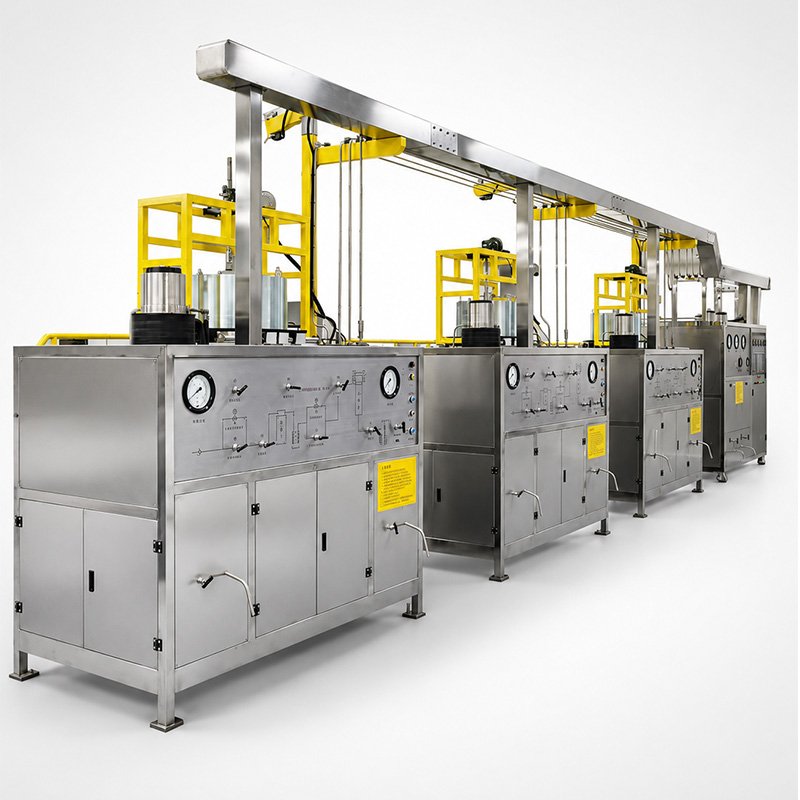
- HISFE120-50-5L / HISFE200-50-20L / HISFE220-50-20L
- HISFE200-40-30L / SFE350-42-87L
- SFE350-42-150L / SFE350-42-200L
HiURTB Supercritical CO2 Extraction Equipment Features

Each extraction vessel can work independently or together, reducing the need for complicated high-pressure switching.

Operators do not need to memorize difficult valve-switching sequences between extraction vessels.

The design avoids unnecessary automatic switching valves that may increase failure rate and maintenance cost.

Once operators learn one extraction vessel workflow, they can apply the same logic to other vessels.

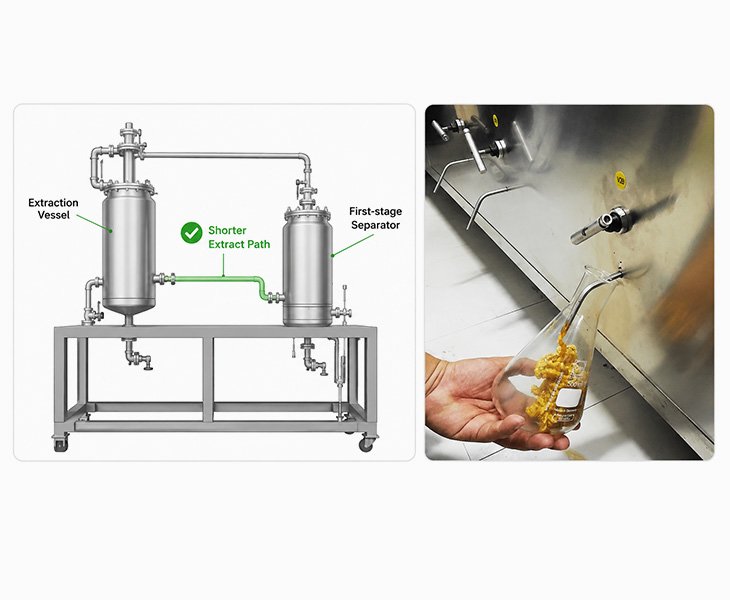
Shorter pipeline design helps reduce extract residue, oil hanging on pipe walls and cleaning path.

First-stage separator oil collection helps operators judge extraction cycle progress more intuitively.

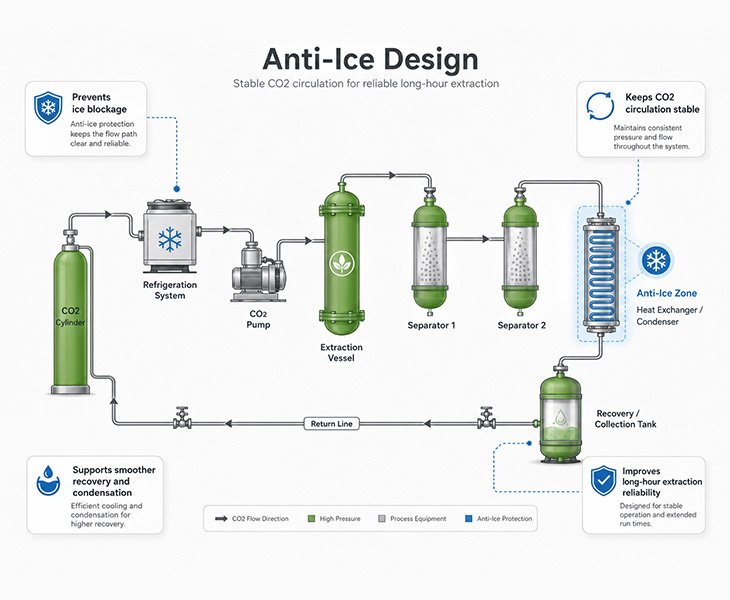
Anti-ice support helps reduce ice blockage risk and improve CO2 circulation stability.

Instead of relying on excessive automation, the system focuses on easy learning, easy operation and stable running, helping reduce unnecessary failure points and future maintenance pressure.
Anti-Ice Design
HiURTB’s anti-icing blockage design for supercritical CO2 extraction equipment helps keep CO2 circulation stability, reduce operation interruption and support more reliable long-hour extraction performance.
For production users, this means fewer unexpected stops, smoother recovery and condensation, and more reliable batch scheduling for cannabis, hemp, essential oil and botanical extraction projects.
Stable CO2 Penetration Design
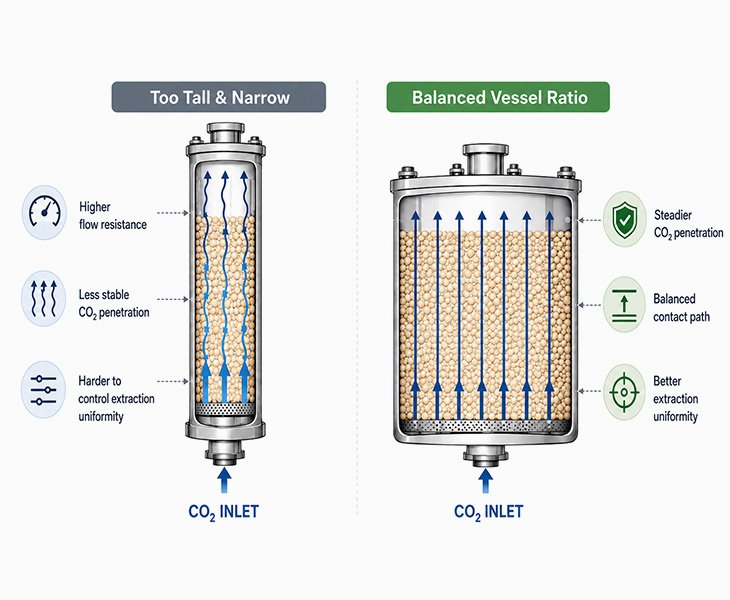
HiURTB considers vessel proportion, material loading, CO2 flow path and pressure vessel strength when configuring the extraction kettle of supercritical CO2 extraction equipment.
A balanced diameter-to-height ratio helps CO2 pass through the material bed more steadily, reducing excessive flow resistance while keeping enough contact path for extraction.
CO2 flow rate, material bed depth and vessel proportion all affect penetration stability and extraction uniformity.
For cannabis, hemp, essential oil and botanical materials, balanced diameter-to-height ratio improves extraction uniformity, reduce configuration risk and make batch performance easier to control during daily production.
Shorter Extract Path, Easier Cleaning
We designed shorter pipeline between the extraction vessel and the first-stage separator of supercritical CO2 extraction equipment.
In applicable multi-vessel systems, the first-stage separator can be arranged on the same rack as the corresponding extraction vessel. This helps shorten the pipeline between the extraction vessel and the first-stage separator, reduce extract residue on the pipe wall, and make the cleaning path more practical. It also allows operators to observe oil collection from the first-stage separator more.
Project Support and Extraction Test Capability
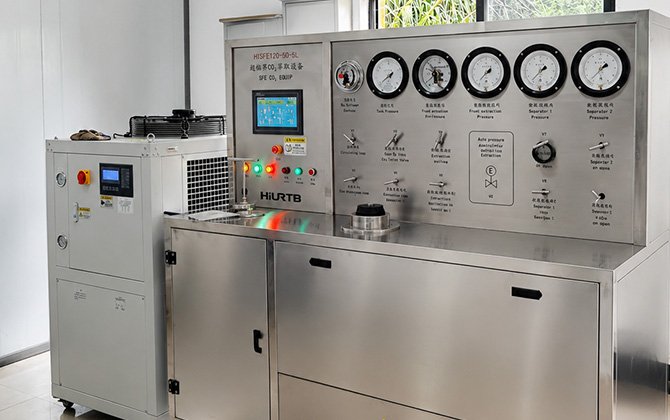
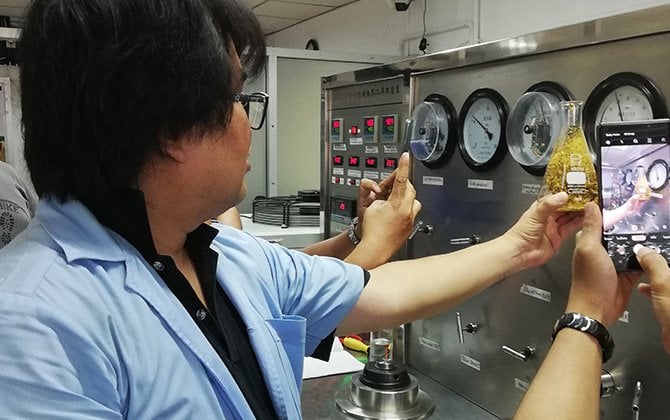
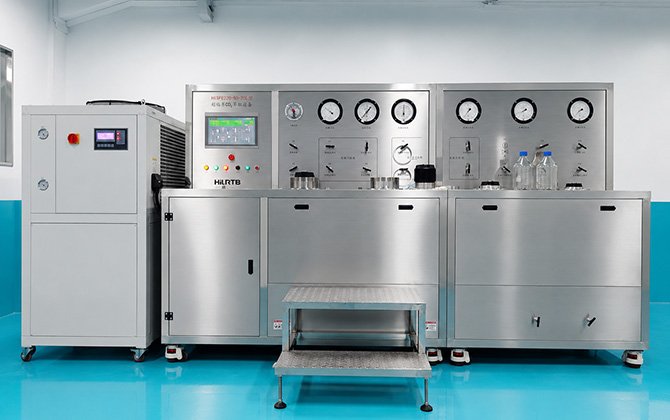
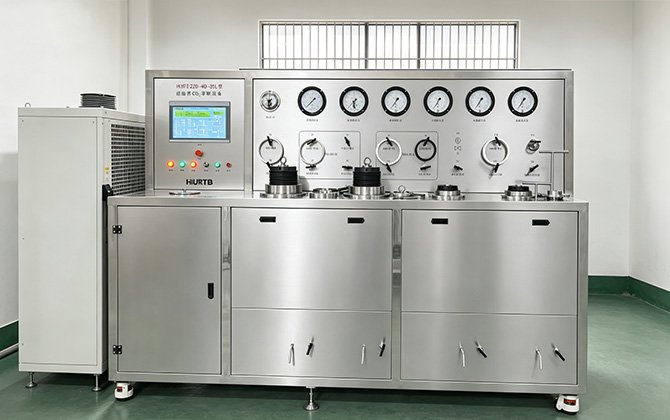
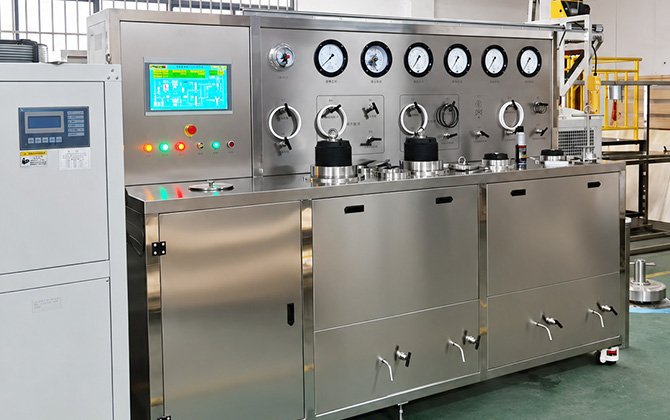
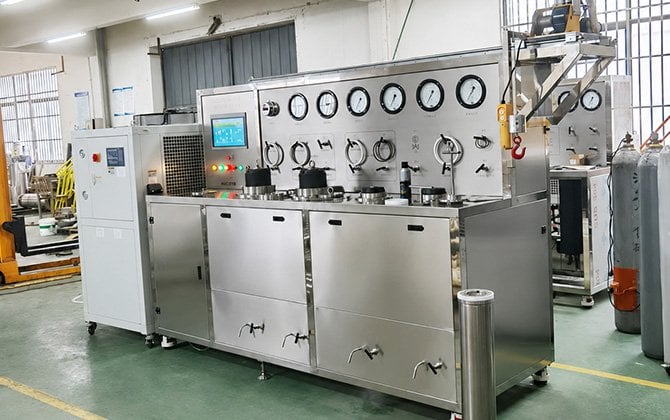
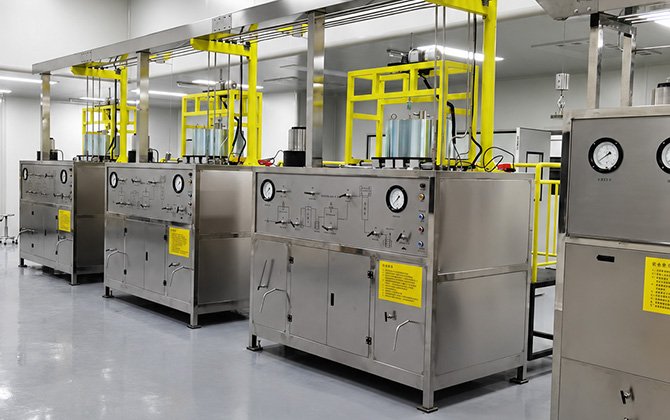
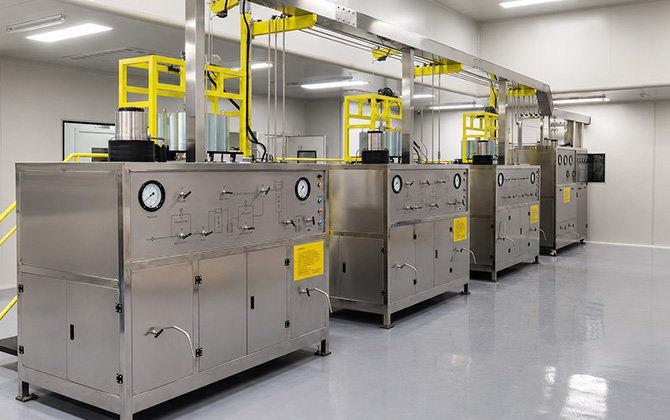
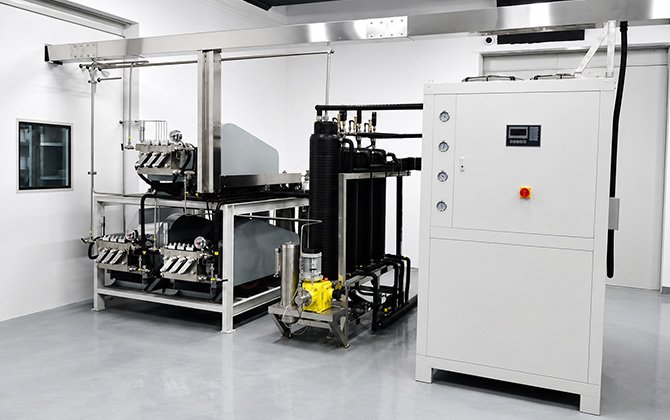
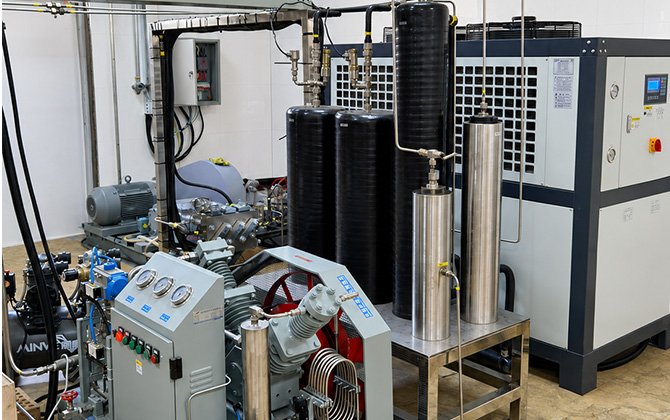
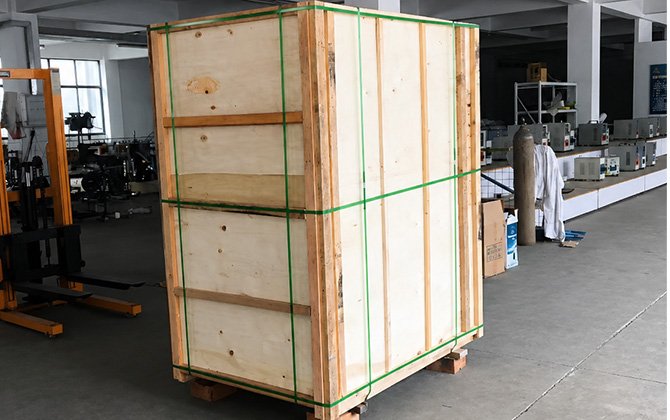
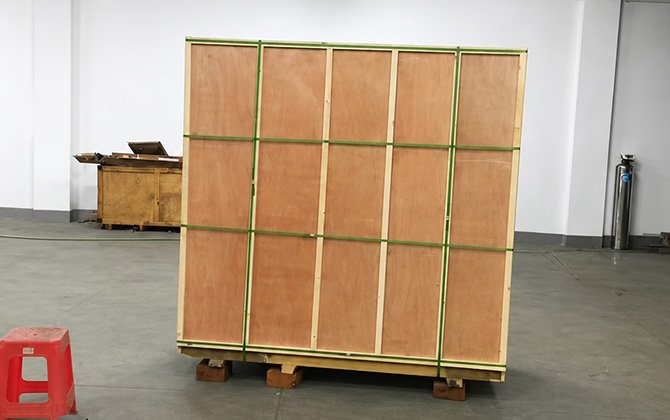
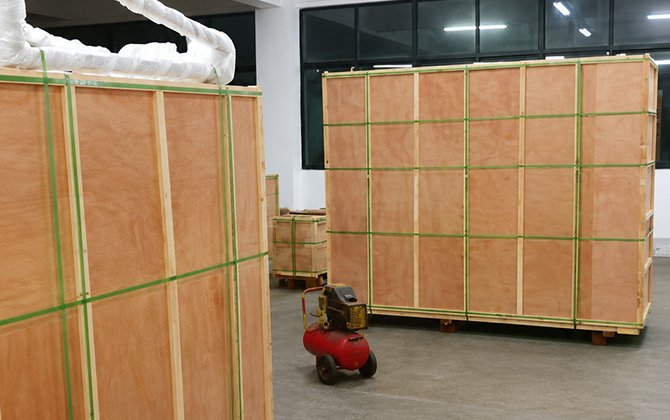
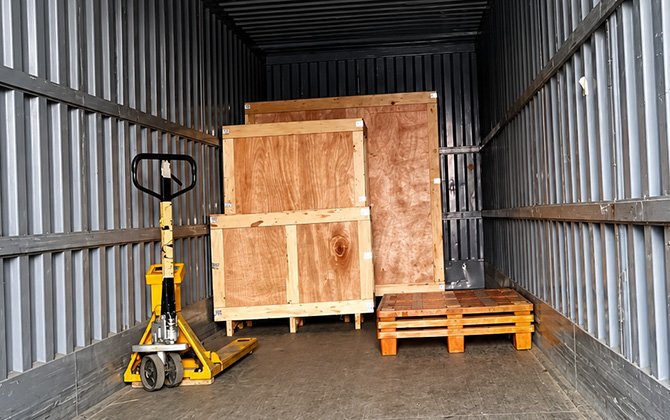
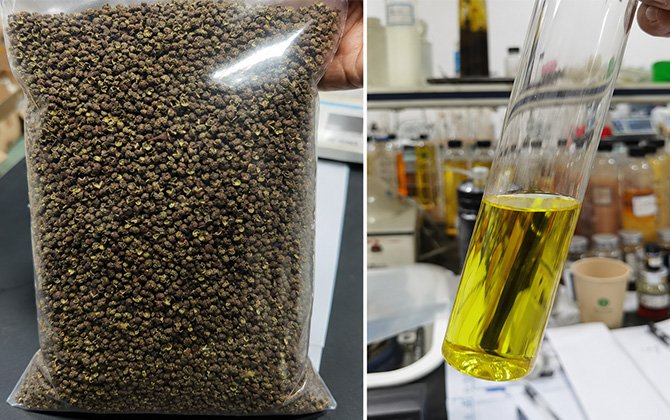
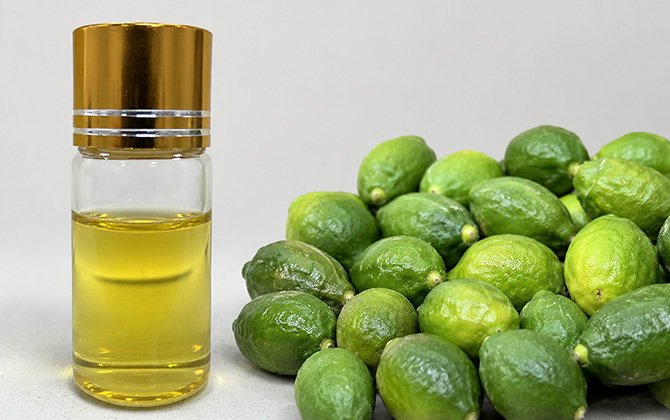
As a professional supercritical CO2 extraction equipment supplier from China, HiURTB supports configuration discussion, remote FAT, installation guidance and operator training according to project scope.
For overseas projects, engineer support can be arranged based on equipment size, site condition and installation requirements. Smaller systems may require one engineer, while 87L or larger CO2 extraction units may require two to three engineers for on-site installation, commissioning and operator training. Training usually covers routine operation, safety procedures, CO2 recovery, cleaning, basic troubleshooting and process handover.
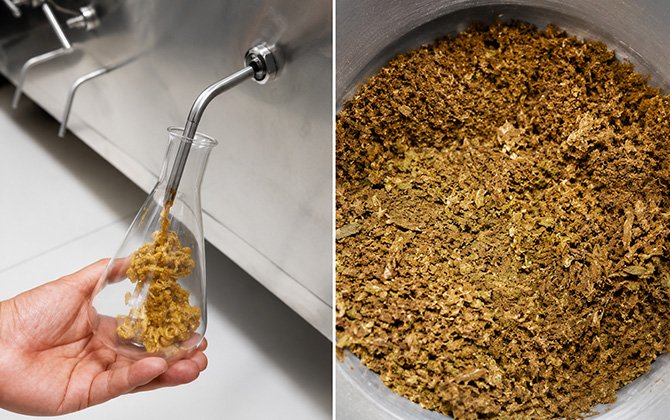
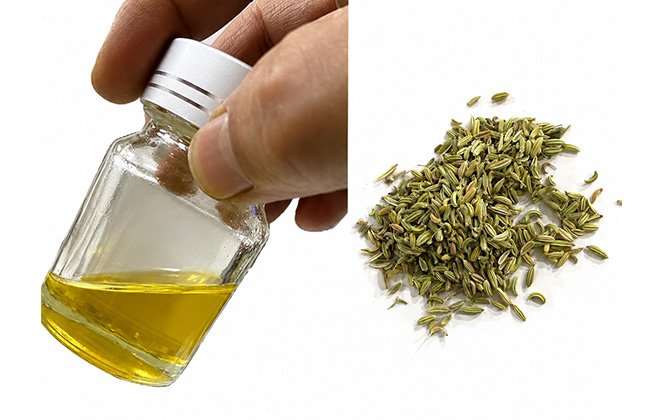
For new materials or uncertain extraction projects, HiURTB can also discuss sample testing when applicable. Reference extract samples and material examples can help you better understand our CO2 extraction capability, equipment application range and process support before larger equipment investment.
You can also review our Supercritical CO2 Extraction Materials and Extract Test Cases for more material examples and extraction test references.
CO2 Extraction and Processing Solutions
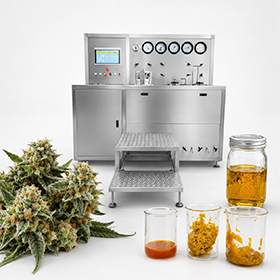
For cannabis flower, trim, small buds and hemp biomass, HiURTB can help evaluate CO2 extraction equipment configuration for crude cannabinoid extract production and further refining needs.
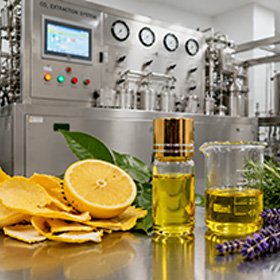
For selected aroma-rich plants, CO2 extraction can be used for essential oil-type extracts, aroma fractions and resin-like components where lower-temperature and controlled extraction are required.
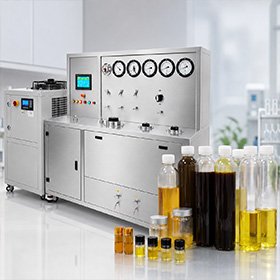
For selected botanical materials, HiURTB can support material review, sample testing and CO2 extraction system configuration based on target compounds, oil content and final extract requirements.
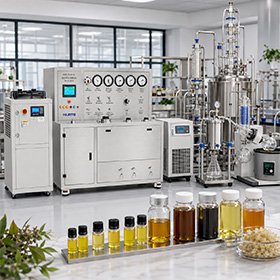
For projects that need more than crude extract production, HiURTB can help plan CO2 extraction together with downstream process requirements such as cooling, filtration, solvent recovery, distillation and crystallization.
- Supercritical CO2 Extraction Equipment Components
- Information Needed for Quotation
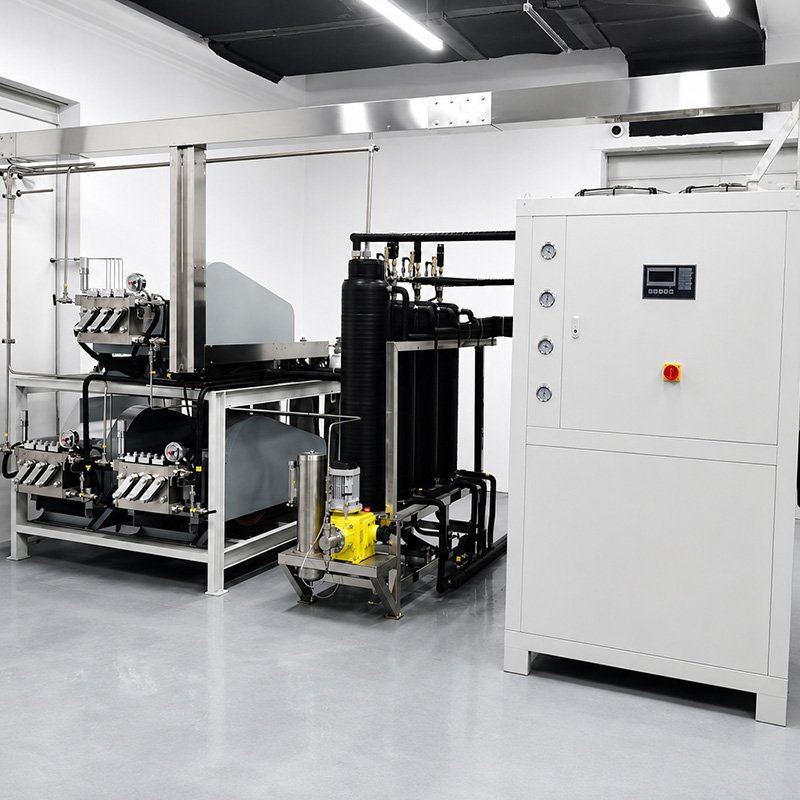
A closed-loop supercritical CO2 extraction equipment may include extraction vessels, separators, CO2 booster pumps, heat exchangers, CO2 recovery, PLC pressure control and extract collection components.
Reference Configuration: 29L × 3 Supercritical CO2 Extraction System
| Main Component | Function |
| Extraction Vessel | Holds raw material for high-pressure CO2 extraction. Vessel size, loading volume, sealing method and pressure design affect operation and capacity. |
| Separator | Separates extract from CO2 after pressure or temperature changes. Multi-stage separators can help collect crude extract or different fractions. |
| CO2 Booster Pump | Provides CO2 pressure and circulation. Pump flow rate affects extraction speed, circulation stability and system capacity. |
| Heat Exchanger | Helps control CO2 temperature before or during extraction and separation. |
| CO2 Storage Tank | Supports CO2 circulation and supply, especially for systems with independent booster pump configurations. |
| Anti-Ice / Cooling Support | Helps improve stable long-hour operation and reduces the risk of ice blockage during CO2 circulation or recovery. |
| CO2 Recovery System | Recovers and reuses CO2 after extraction, helping reduce gas waste and improve operating economy. |
| Control System | Controls pressure, temperature, timing, pump operation and alarms. PLC-based control can be configured according to system design. |
| Safety Valves and Sensors | Support safer high-pressure operation through pressure relief, pressure monitoring, alarms and protection logic. |
| Collection Vessel / Collection Port | Collects crude extract, separated fractions or recovered materials after separation. |
| Information Needed | Why It Matters | Example |
| Raw Material Type | Different materials require different extraction conditions | cannabis flower, hemp biomass, essential oil plant, botanical material |
| Daily Biomass Input | Helps decide vessel size and system configuration | kg/day |
| Target Extract | Different target products require different process planning | crude extract, CBD oil, distillate, CBD isolate, essential oil |
| Working Hours | Affects daily batch number and real production capacity | 8 / 16 / 24 hours per day |
| Oil Content / COA | Helps estimate crude extract yield and downstream difficulty | if available |
| Moisture Level | Influences extraction stability and preparation requirements | if available |
| Post-Processing Need | Determines whether downstream equipment is required | winterization, filtration, solvent recovery, distillation, crystallization |
Testimonials
“HiURTB helped us review our biomass capacity and target extract before recommending the supercritical CO2 extraction equipment configuration. This made the quotation easier to evaluate.”
 Project ManagerHemp Extraction Project, Europe
“The post-processing equipment discussion was helpful because we were not only buying an extractor, but planning the full crude oil and refining process.”
 Technical DirectorCBD Processing Facility, South Africa
“The team provided clear communication on configuration, optional equipment and project support before production.”
 Procurement ManagerBotanical Extraction Project, Middle East
Usually no. Supercritical CO2 extraction normally produces crude extract, not CBD isolate directly. For CBD isolate production, the process may require winterization, filtration, solvent recovery, decarboxylation, distillation and crystallization. Raw material quality is also important. High-CBD, low-THC biomass can help reduce downstream processing difficulty.
Yes. HiURTB can support supercritical CO2 extraction equipment configuration and downstream post-processing equipment matching according to project scope.
A typical production line may include biomass drying and grinding, supercritical CO2 extraction, winterization and filtration, ethanol recovery, decarboxylation and vacuum degassing, and cannabis distillation using short-path or wiped-film equipment.
For projects targeting CBD isolate or other purified cannabinoid ingredients, the downstream process may also include CBD crystallization and purification equipment.
For 87L and larger supercritical CO2 extraction equipments, HiURTB uses a newer multi-vessel and modular design concept focused on easy operation and stable extraction.
This design helps reduce complicated high-pressure switching, uneven extraction risk, excessive automation failure points and future maintenance pressure.
It is designed to make routine operation clearer for production users.
Yes, sample testing can be discussed when applicable. You can first provide material information, photos, COA if available, target extract and expected capacity.
If suitable and legally permitted samples are available, CO2 extraction testing can be arranged according to project scope, with reference extraction conditions and extract samples provided for evaluation.
How to Choose Supercritical CO2 Extraction Equipment for Cannabis, Hemp, Essential Oil and Botanical Projects
Choosing supercritical CO2 extraction equipment is not only about vessel volume or machine price.
The right configuration depends on raw material, target extract, daily capacity, extraction method, vessel design, CO2 flow, downstream process and project stage.
This guide helps you evaluate the main selection factors before choosing and asking for a CO2 extraction equipment quotation.
1: Start with Your Raw Material and Target Extract
Raw material type, bulk density, and oil content affect supercritical CO2 extraction equipment configuration.
For example, the bulk density of dry milled flower can be estimated at around 0.4 kg/L, while trim / leaf / stem blend may be around 0.3 kg/L.
Higher oil content usually requires a longer extraction cycle, which affects how many batches can be processed per day. High-quality dry milled flower may contain around 20–25% extractable oil, and the extraction cycle may take about 3 hours depending on material condition and process operation. Trim / leaf / stem blend may be closer to 4% oil content, and the extraction cycle may take about 2 hours.
Target extract also matters. Crude extract, essential oil-type extract, CBD oil, distillate and CBD isolate require different process planning. If the target is only crude extract, the supercritical CO2 extractor may be the main equipment. If the target is refined oil, distillate or isolate, downstream post-processing equipment should also be considered during equipment selection.
2: Compare CO2 Extraction with Ethanol, Hydrocarbon and Steam Distillation
When choosing extraction equipment, CO2 extraction with ethanol extraction, hydrocarbon extraction and steam distillation are often compared.
Each method has its own suitable applications, advantages and limitations.
The best choice depends on raw material, target product, throughput, facility condition, safety requirement, budget and local regulation.
| Extraction Method | Suitable For | Advantages | Limitations |
| CO2 Extraction | Cannabis, hemp, botanical oils, essential oil-type extracts | Low solvent residue risk, lower-temperature processing, good process control, non-flammable extraction medium, suitable for high-value extracts | Higher equipment investment; capacity design needs careful calculation |
| Ethanol Extraction | Large-volume cannabis / hemp biomass | Fast extraction, suitable for larger biomass processing | Requires solvent recovery, explosion-proof consideration and downstream solvent handling |
| Hydrocarbon Extraction | Terpene-rich concentrates and selected cannabis extracts | Good aroma and terpene retention | Higher safety, regulatory and explosion-proof requirements |
| Steam Distillation | Traditional essential oils | Mature process, lower equipment cost | Not suitable for all heat-sensitive, resin-rich or low-volatility compounds |
For cannabis and hemp projects, CO2 extraction vs ethanol extraction is a common comparison.
CO2 extraction is often selected when you want cleaner extraction, controlled processing conditions and lower solvent residue concerns.
Ethanol extraction can be more suitable for large-volume biomass processing, especially when speed and throughput are the main priorities, but it requires solvent recovery and proper safety design.
For terpene-rich cannabis concentrates, CO2 vs hydrocarbon extraction may be compared. Hydrocarbon extraction can be effective for aroma and terpene retention, but it brings higher safety, explosion-proof and regulatory requirements.
CO2 extraction is non-flammable and can be a more controlled option for certain high-value extracts, but the equipment investment is usually higher. We will recommend a suitable CO2 extraction configuration according to your details.
For essential oil projects, CO2 extraction vs steam distillation may be compared.
Steam distillation is mature and widely used for traditional essential oils, but it may not be suitable for all heat-sensitive, resin-rich or low-volatility compounds.
CO2 extraction can be considered for selected aroma-rich plants, botanical oils and essential oil-type extracts where process control and low thermal stress are important.
In practical project planning, the question should not be “Which extraction method is always better?”
A more useful question is: Which extraction method matches your raw material, target extract, production scale, facility condition and local compliance requirements?
For this reason, HiURTB usually evaluates the material type, target product and downstream process before recommending CO2 extraction equipment or other extraction-related solutions.
3: Choose Lab, Small, Pilot, Production or Industrial CO2 Extraction Systems
CO2 extraction equipment can be configured in different scales, from lab testing systems to industrial multi-vessel extraction systems. The right choice depends on project stage, raw material volume, target extract, process validation needs and daily production plan.
A supercritical CO2 extraction lab system is usually used for R&D, sample testing and material screening. A small scale CO2 extraction machine is more suitable for small-batch extraction, early-stage projects or lower capacity needs. A pilot CO2 extraction system can help verify process conditions before larger equipment investment.
For commercial production, production-scale and industrial CO2 extraction systems are designed for routine crude extract production or larger biomass processing. Industry systems may include multiple extraction vessels, multiple separators, CO2 booster pumps, CO2 recovery and more complete pressure control systems.
| System Type | Suitable For | Main Purpose |
| Lab CO2 Extraction System | R&D, sample testing | Material screening and process development |
| Small CO2 Extraction Machine | Small-batch extraction | Early-stage projects or lower capacity needs |
| Pilot CO2 Extraction System | Scale-up testing | Process validation before larger investment |
| Production CO2 Extraction System | Commercial extraction | Routine crude extract production |
| Industrial CO2 Extraction System | Large biomass processing | Multi-vessel production and higher capacity projects |
When choosing between lab, small, pilot, production and industrial supercritical CO2 extraction systems, you should not select equipment only by vessel volume. A larger vessel does not always mean higher practical output. Real capacity depends on usable loading volume, material type, material bulk density, oil content, extraction time, CO2 flow rate, pressurization time, CO2 recovery time and working hours per day.
From supercritical CO2 extraction lab systems to small CO2 extraction machines and industrial supercritical CO2 extractors, HiURTB helps match system scale with your project stage,according to material testing, early-stage production, commercial extraction or larger biomass processing needs.
4: How To Estimate CO2 Extraction Capacity, Not Only Vessel Volume
For preliminary CO2 extraction equipment sizing, you can use the following logic:
Usable loading volume = vessel volume × loading ratio
Material loading per batch = usable loading volume × material bulk density
Daily capacity = material loading per batch × effective batches per day
For example, if a 150L extraction vessel is loaded at around 80% usable volume, the usable loading volume is about 120L. Different materials may have different bulk densities after drying and milling, so the same 150L vessel can hold different material weights.
| Example Material | Estimated Bulk Density | Usable Volume per 150L Vessel | Estimated Loading |
| Dry milled cannabis flower | ~0.4 kg/L | 150L × 80% = 120L | ~48 kg per vessel |
| Dry milled trim / leaf / stem blend | ~0.3 kg/L | 150L × 80% = 120L | ~36 kg per vessel |
These are preliminary sizing examples only. For cannabis, hemp, essential oil and botanical extraction projects, the actual capacity depends on usable loading volume, material bulk density, oil content, extraction time, CO2 flow rate, pressurization time, CO2 recovery time, loading and unloading time, and working hours per day.
This is why two materials with the same vessel volume may still require different cycle planning and equipment configuration.
The total cycle is not only the extraction time. It may also include pressurization, CO2 recovery, depressurization, material loading, material unloading and cleaning. For industrial extraction supercritical CO2 systems, multi-vessel operation can improve daily throughput, but the final capacity still needs to be calculated according to the real operating schedule.
This is why HiURTB usually evaluates raw material type, daily biomass input, target extract, working hours, oil content and downstream process before recommending a supercritical CO2 extraction equipment configuration.
5: Need Post-Processing After CO2 Extraction Or Not
CO2 extraction normally produces crude extract, not always the final finished product.
For cannabis, hemp and CBD projects, CO2 extracted oil may still contain waxes, fats, lipids, pigments or other unwanted compounds, depending on the raw material and extraction conditions.
If the target product is refined oil, distillate, CBD isolate or another high-purity extract, post-processing after CO2 extraction is usually required.
A typical CBD oil CO2 extraction and refining process may follow this route:
CO2 extraction → crude extract → winterization → filtration → solvent recovery → decarboxylation → distillation → crystallization
For example, if you only need crude extract, the process may stop after extraction and collection.
If you want refined oil or distillate, the crude extract may need winterization, filtration, solvent recovery, decarboxylation and short path or molecular distillation. If the target is CBD isolate, crystallization and additional separation steps are usually needed after distillation.
Common post-processing equipment after CO2 extraction may include extraction chiller, winterization system, filtration equipment, rotary evaporator, decarboxylation reactor, short path distillation equipment, molecular distillation equipment, crystallization reactor and vacuum pump.
CBD isolate is not produced directly by the CO2 extractor alone.
The CO2 extraction machine is usually the first step for crude extract production.
The final post-processing route should be selected according to raw material COA, CBD / THC content, target purity and final product format.
If you are planning cannabis, hemp or CBD extract production, HiURTB can help evaluate whether the project needs only supercritical CO2 extraction equipment or a more complete CO2 extraction and post-processing solution.
Detailed post-processing equipment selection can be planned separately based on the target product and final extract specification.
6: What Affects CO2 Extraction Equipment Price and Configuration
Before recommending a supercritical CO2 extraction equipment, we will review your raw material, daily biomass input, target extract, working hours, oil content if available, and whether post-processing equipment is required.
A basic selection checklist can include:
| Selection Factor | Why It Matters |
| Raw Material Type | Cannabis flower, trim, hemp biomass, essential oil plants and botanicals behave differently during extraction. |
| Oil Content | Affects crude extract yield, batch planning and estimated production output. |
| Moisture Level | Influences extraction stability, material preparation and process performance. |
| Particle Size | Affects CO2 contact, flow behavior and extraction efficiency. |
| Daily Biomass Input | Helps decide vessel size, number of extraction vessels and overall system configuration. |
| Working Hours | Affects daily batch number and real production capacity. |
| Target Extract | Crude extract, essential oil, distillate or isolate require different process planning. |
| Downstream Process | Decides whether post-processing equipment such as cooling, filtration, evaporation, distillation or crystallization is needed. |
| Utilities | Voltage, cooling water, compressed air and installation space may affect equipment configuration. |
A lab system for sample testing, a small supercritical CO2 extraction equipment for early-stage production and an liquid CO2 extraction system for larger biomass processing will have very different configurations.
When comparing CO2 extraction equipment for sale, we should not evaluate only the machine price.
Extraction vessel size, number of extraction vessels, separator configuration, CO2 booster pump capacity, CO2 recovery system, pressure design, safety configuration, control system, automation level and downstream equipment scope all affect the final cost.
This helps avoid two common problems: choosing a system that looks large but cannot meet the real production target, or buying a complex system with unnecessary functions that increase cost and maintenance pressure.
A suitable supercritical CO2 extraction equipment configuration should match your project stage, production goal and future expansion plan.
Send us your material information, target extract and expected capacity. HiURTB can help evaluate a suitable SFE supercritical fluid extraction system configuration and downstream process direction for your project.

