
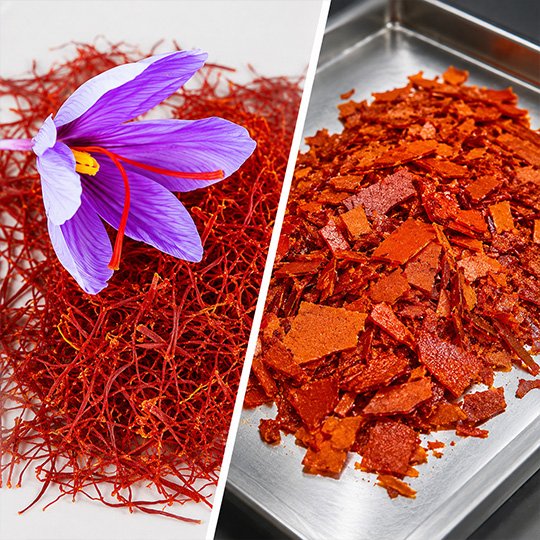
Why You Need CO2 Essential Oil Extraction Equipment
- Low-Temperature Aroma Protection
- Cleaner Extraction for High-Value Oils
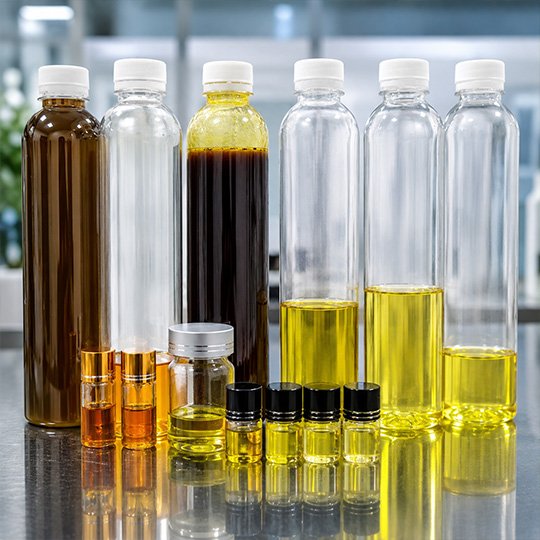
- More Controlled Aroma and Terpene Extraction
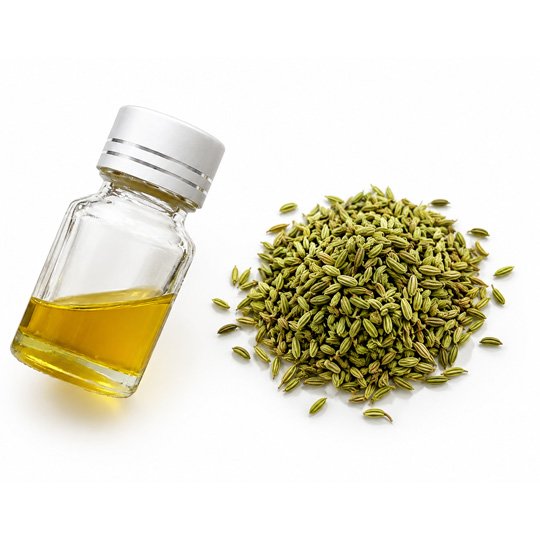
- Suitable for High-Value Aroma Materials
Your Essential Oil Extraction Equipment Supplier
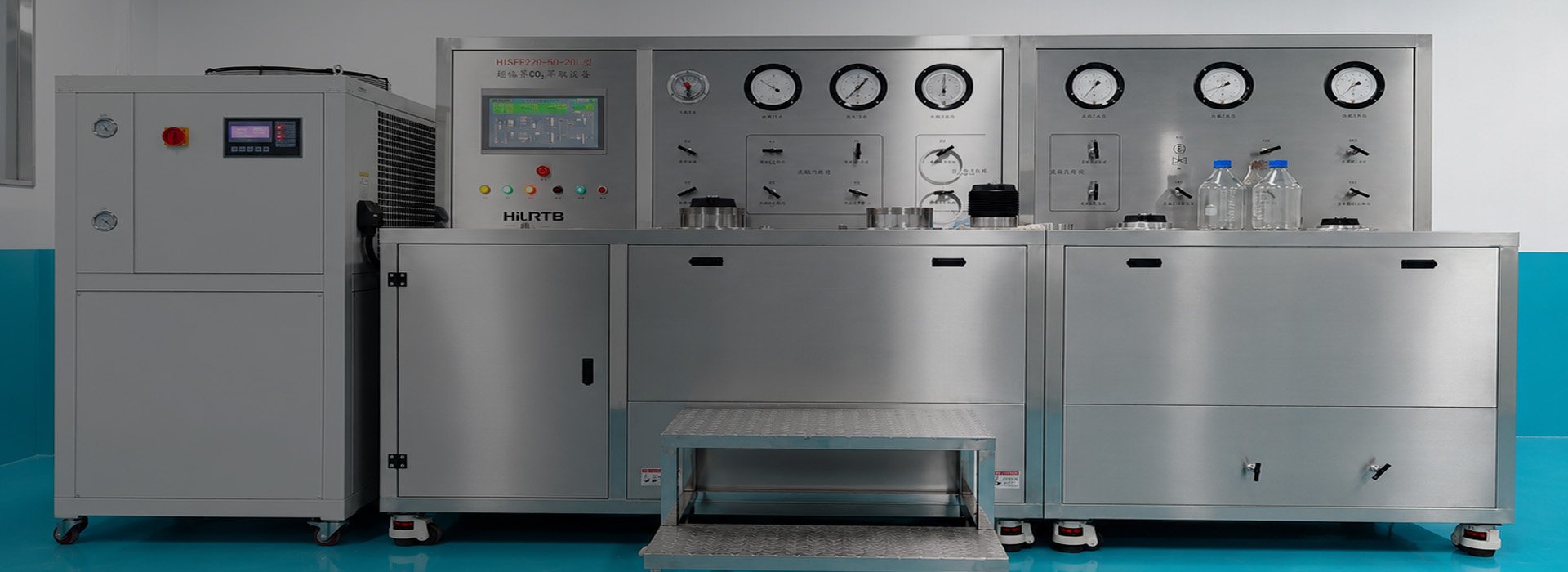
HiURTB provides Essential Oil Extraction Equipment for supercritical CO2 extraction projects involving high-value aroma materials, terpene-rich oils, spice oleoresins, and natural fragrance extracts.
We focus on CO2 extraction system configuration, sample testing support, process review, and practical equipment matching for lab, pilot, and production-scale essential oil projects.
Before final equipment selection, our team helps review extraction vessel volume, separator design, CO2 circulation, temperature control, safety configuration, utilities, and practical operation requirements according to your material condition, target extract, and daily capacity.
Welcome to share your request or send us your raw material for CO2 extraction testing and equipment configuration review.
You will know more about our sample testing, configuration, equipment supply, and on site supports from one of our projects: CO2 extraction and process equipment in Vietnam.
Essential Oil Extraction Equipment By Scale
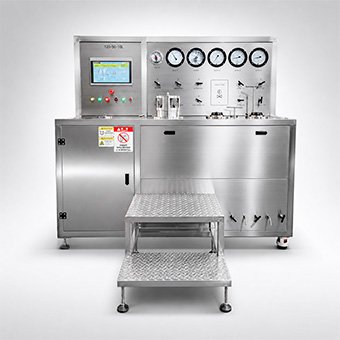
For sample testing, aroma evaluation, and small-batch CO2 extraction trials.
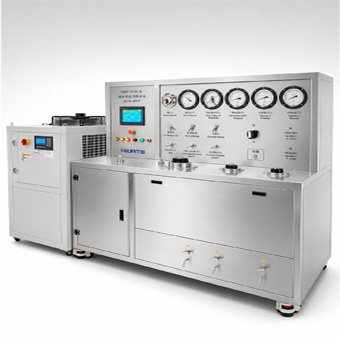
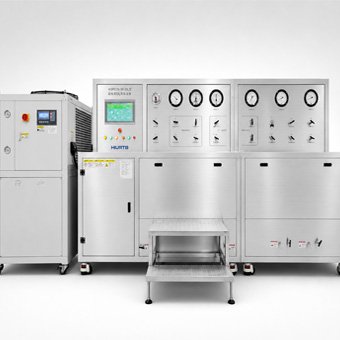
For commercial aroma oil, terpene-rich oil, and spice oleoresin production.
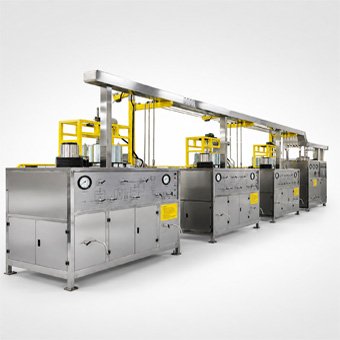
For larger essential oil projects requiring higher capacity and system integration.
Essential Oil Extraction Equipment By Kinds
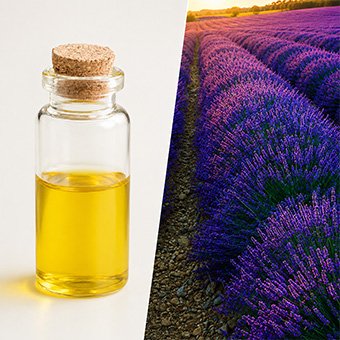
For lavender CO2 extract, rose CO2 extract, chamomile aroma oil, and selected high-value floral aroma materials.
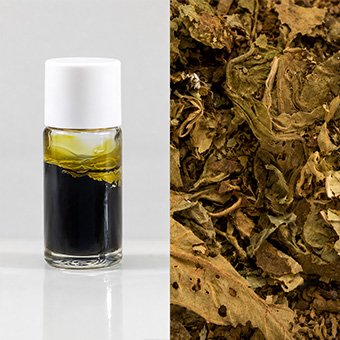
For rosemary CO2 extract, mint aroma oil, thyme, eucalyptus, and other herbal aroma oil projects.
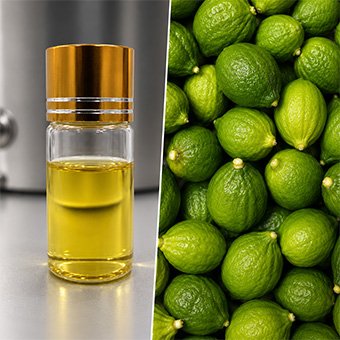
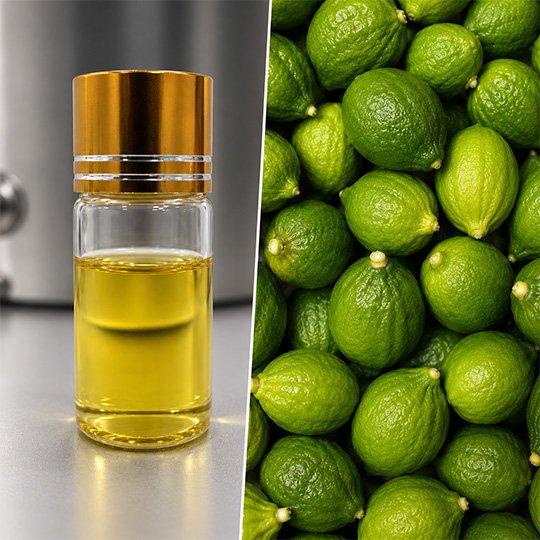
For orange peel essential oil extraction, lemon essential oil extraction, citrus peel aroma oil, and peel-based fragrance extracts.
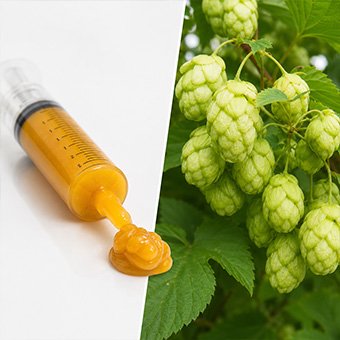
For hops aroma, brewing extract, terpene-rich oil, and flavor applications.
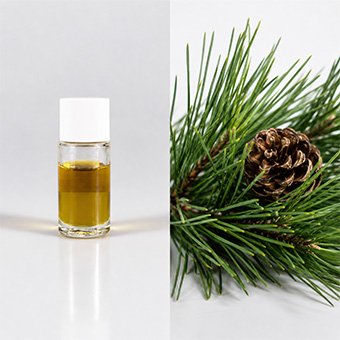
For terpene-rich oil, volatile aroma fractions, and natural fragrance extraction projects.
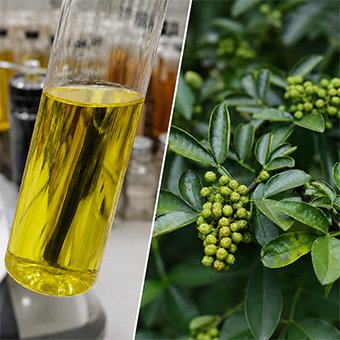
For black pepper, ginger, turmeric, clove, cinnamon, and other spice materials used for CO2 extracted essential oils and spice oleoresins.
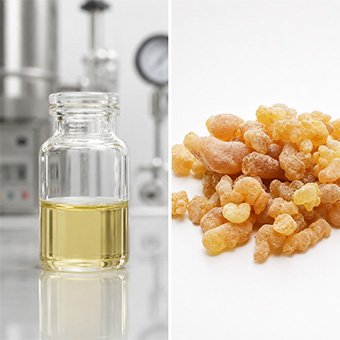
For frankincense CO2 extract, aromatic resin, viscous oil, resinous fragrance extracts, and selected sandalwood essential oil extraction projects.
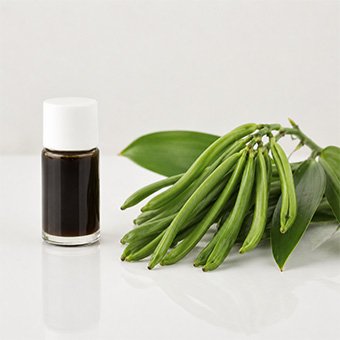
For vanilla CO2 extract and selected high-value natural flavor materials.
Selected materials such as carrot seed, sea buckthorn, and rosehip can also be reviewed through sample CO2 extraction testing.
HiURTB CO2 Essential Oil Extraction Equipment Features

Extraction vessel volume, separator design, CO2 pump capacity, temperature control, and collection design can be reviewed according to raw material, target extract, daily capacity, and site conditions.

Different separator settings can support staged extract collection for aroma oil, terpene-rich oil, spice oleoresin, resinous extract, or other CO2 extract forms.

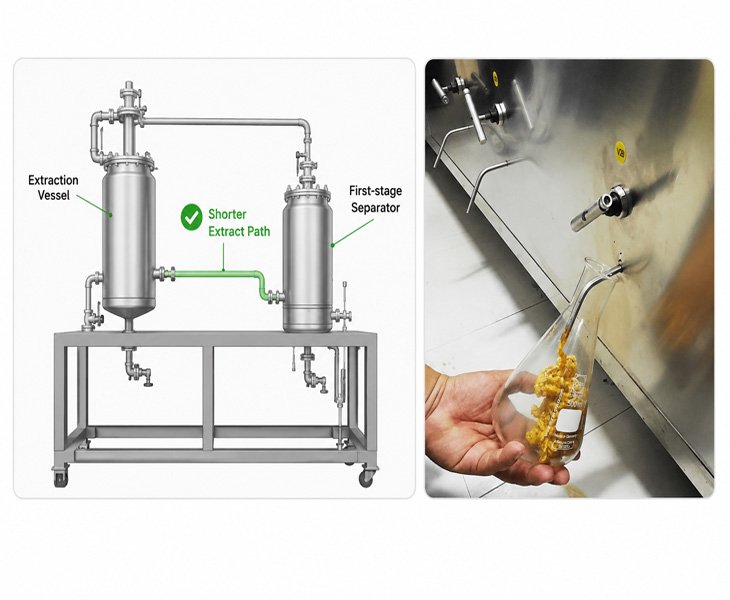
Suitable extraction-to-separation paths, separator matching, discharge structure, and collection design help reduce extract residue inside pipelines, lower cleaning workload, and improve extract collection stability.

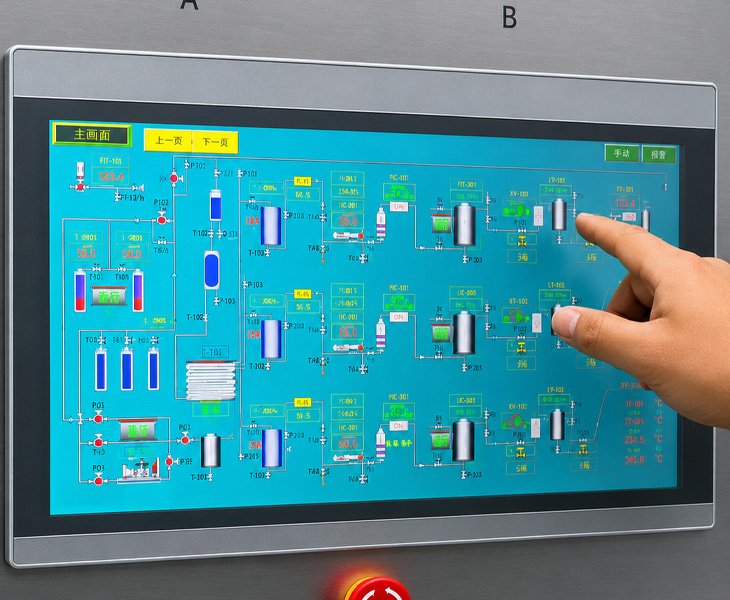
For multi-vessel configurations, each extraction vessel can follow a similar operating logic, helping operators learn the system faster and reduce operation mistakes.

The system focuses on stable structure, clear operation steps, and reliable pressure control instead of unnecessary high-pressure automatic switching that may increase failure risk.

The equipment configuration can be reviewed for resinous extracts, oleoresin-style products, and other viscous CO2 essential oil extracts that need practical collection and discharge design.

A matching cooling and temperature control configuration can be reviewed according to system size, extraction temperature, separator condition, and project requirements.

For new or high-value aroma materials, sample CO2 extraction testing can help evaluate yield, aroma, color, viscosity, extract form, and possible post-processing needs before production investment.
Easy Operation, Fewer Failures
For configurations with multiple extraction vessels, each vessel can follow a similar operating logic, helping operators learn the system faster.
HiURTB essential oil extraction equipment avoids unstable high-pressure automatic switching concepts and focuses on stable structure, clear operation steps, and reliable pressure control.
This helps reduce operator training difficulty, valve operation mistakes, unexpected downtime, and long-term maintenance pressure.
For overseas projects, easier operation also makes installation training, remote troubleshooting, and daily production management more practical.
Better Oil Collection, Less Cleaning
HiURTB matches extraction vessels with suitable separators and collection design according to aroma oils, spice oleoresins, resinous extracts, and other target products.
Our suitable configuration of essential oil extraction equipment matches the extraction vessel size, separator design, extraction-to-separation path, discharge structure, and collection system according to the final extract form.
It helps reduce extract residue inside pipelines, lower the cleaning workload, reduce cross-smell risk, and improve extract collection stability.
This is especially important for high-value aroma materials because oil loss, cross-smell, and cleaning time can directly affect daily production.
CO2 Extraction Project Support Before and After Delivery
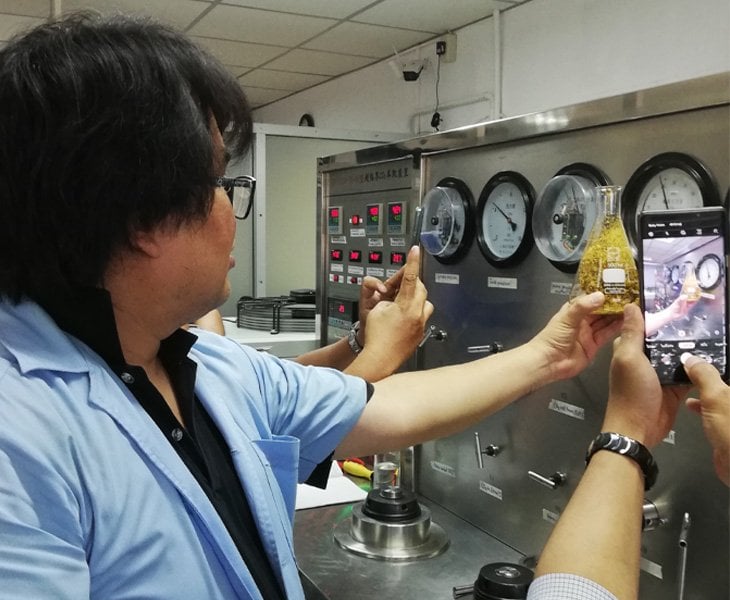
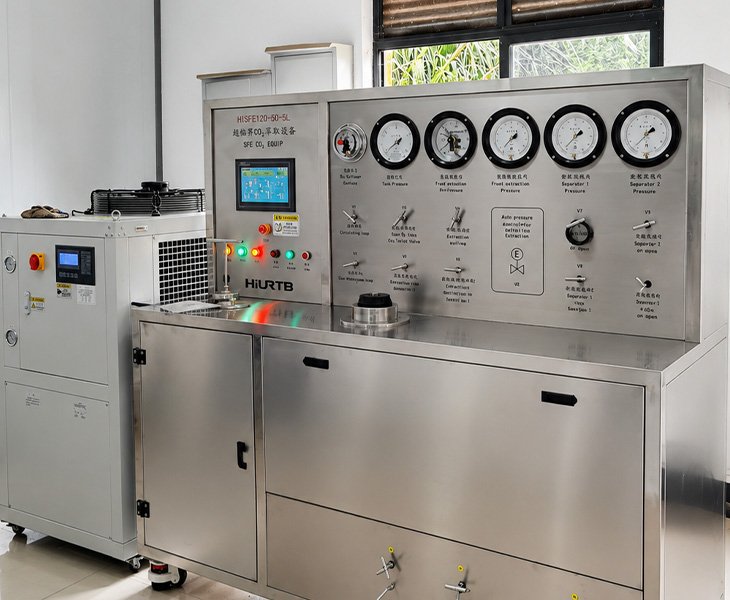
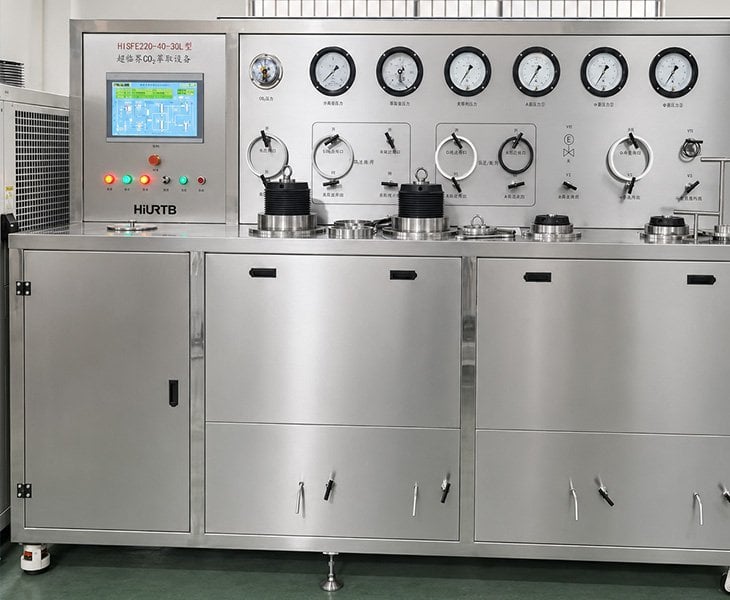
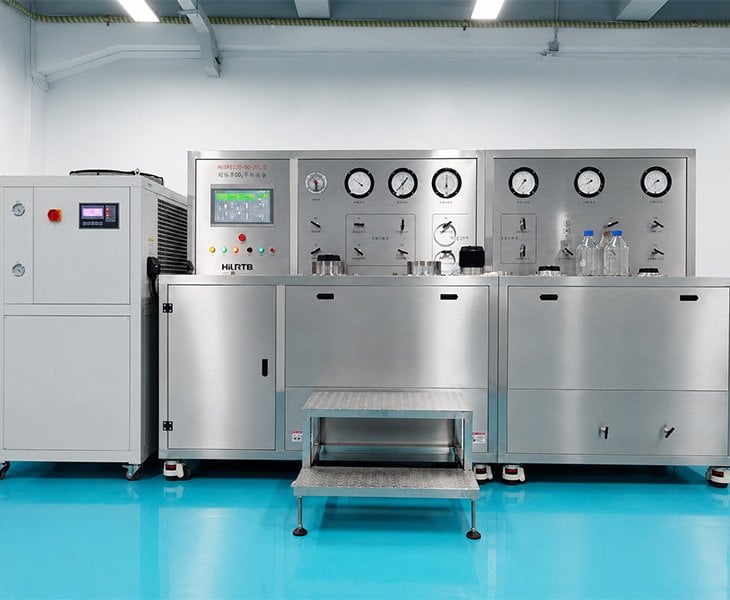
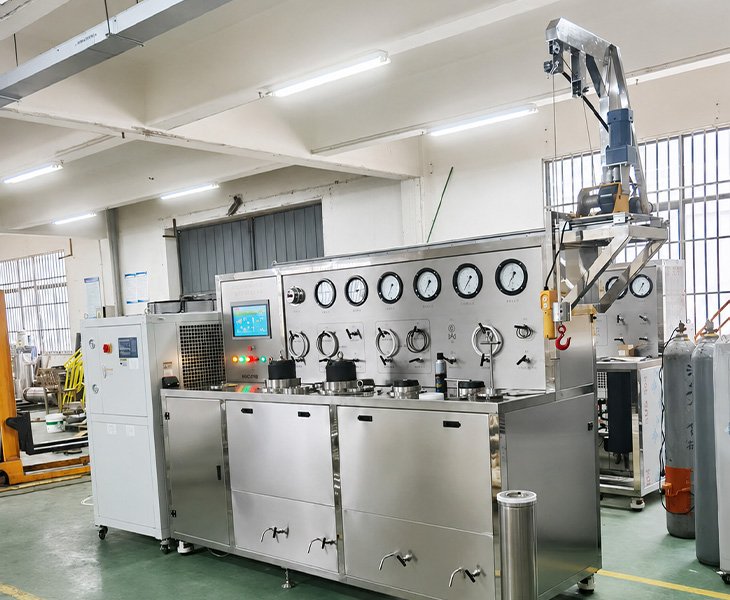
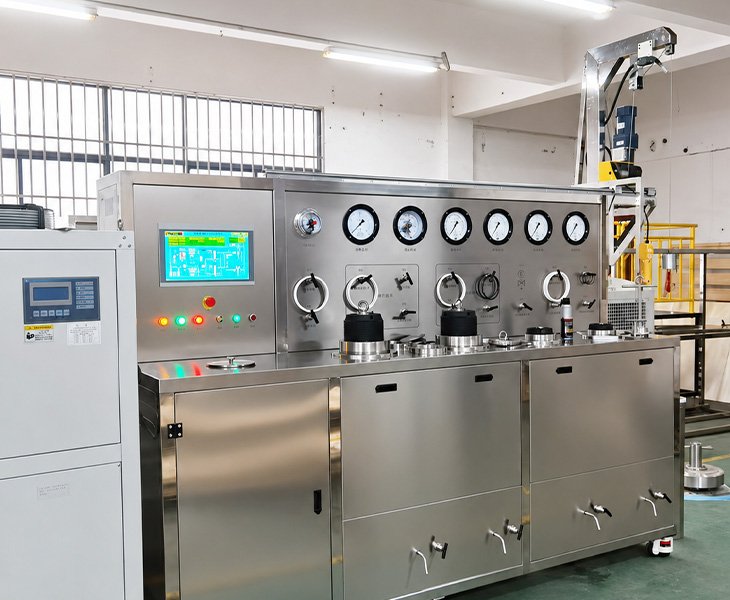
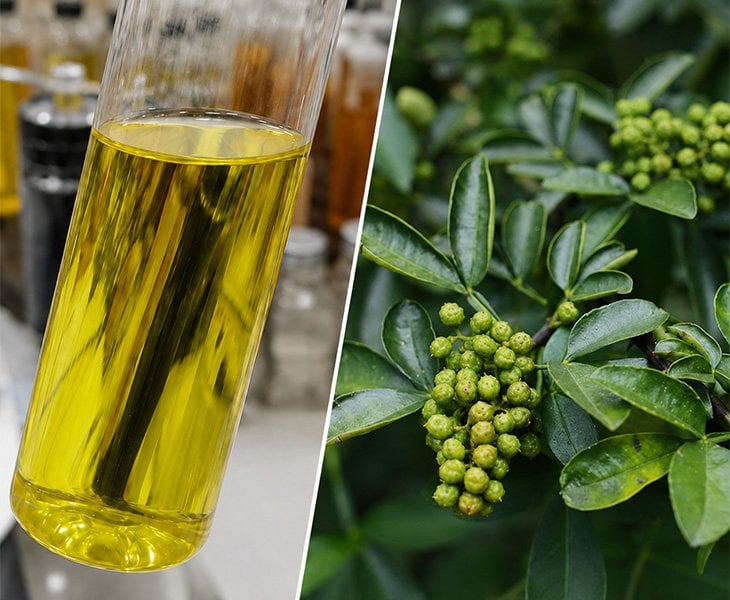
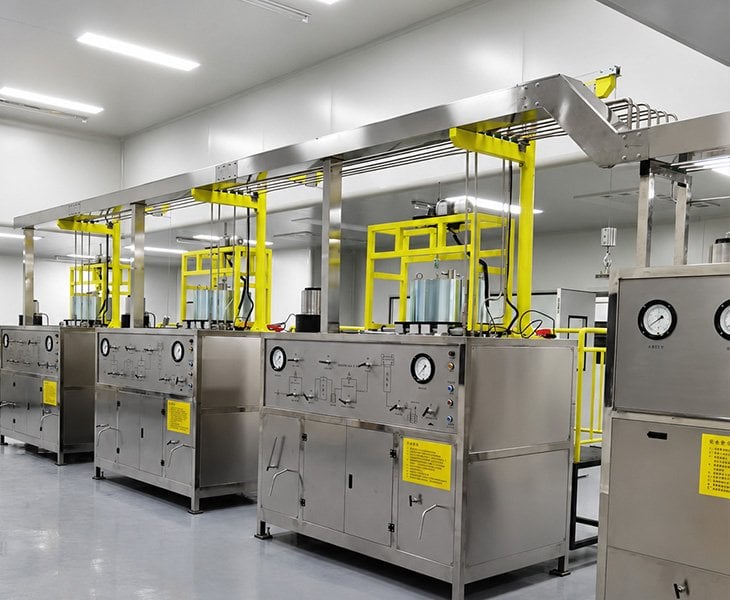
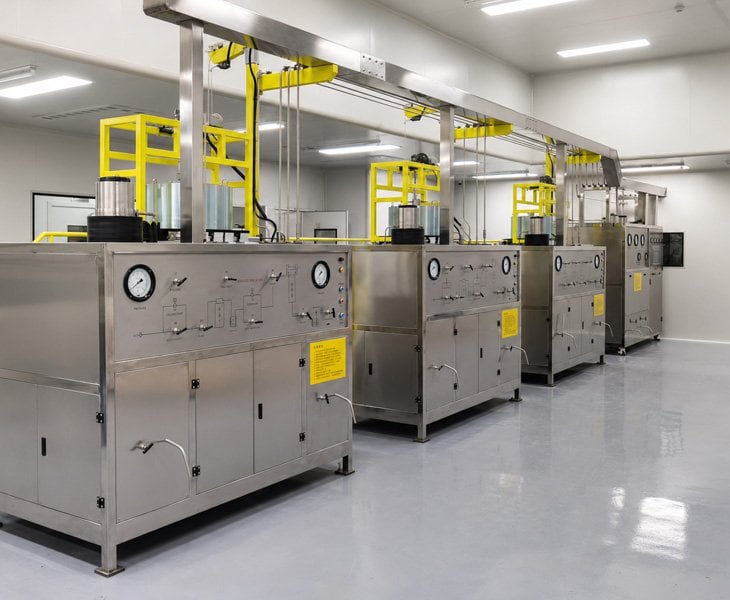
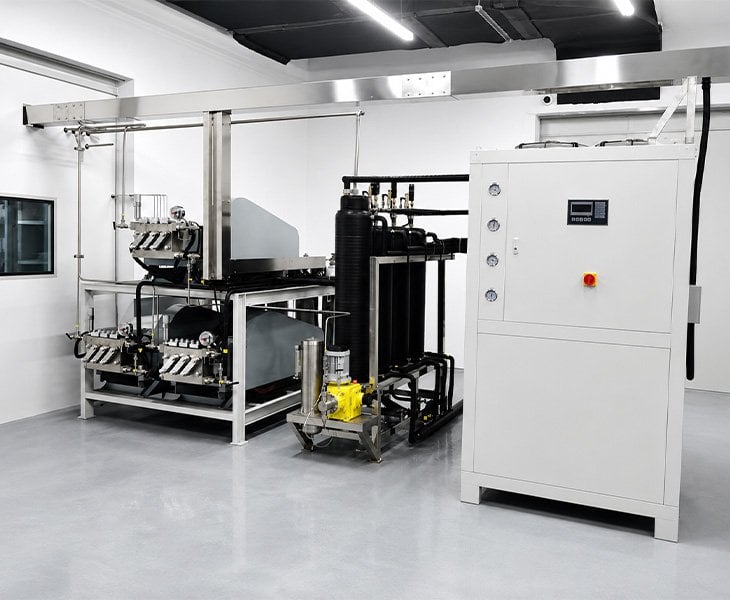
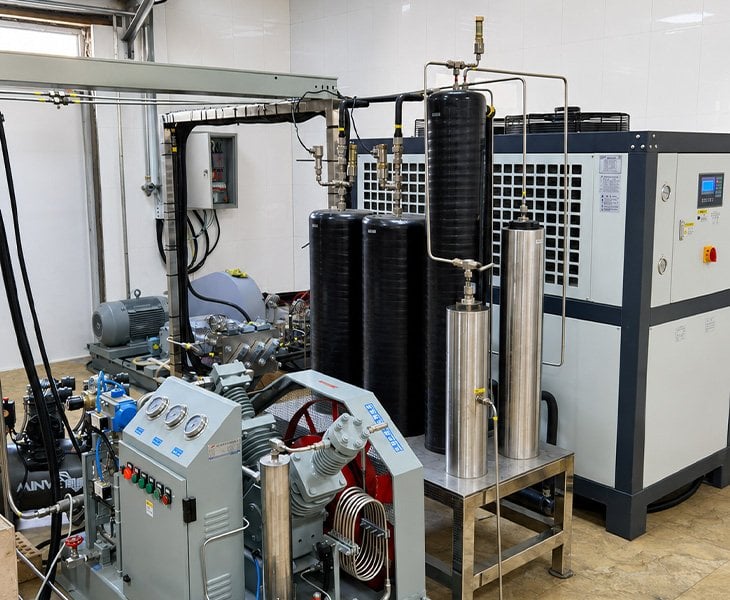
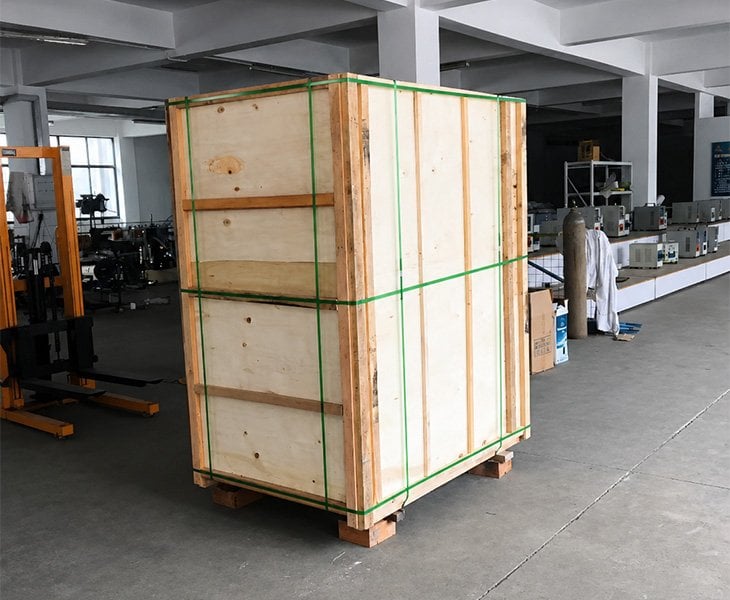
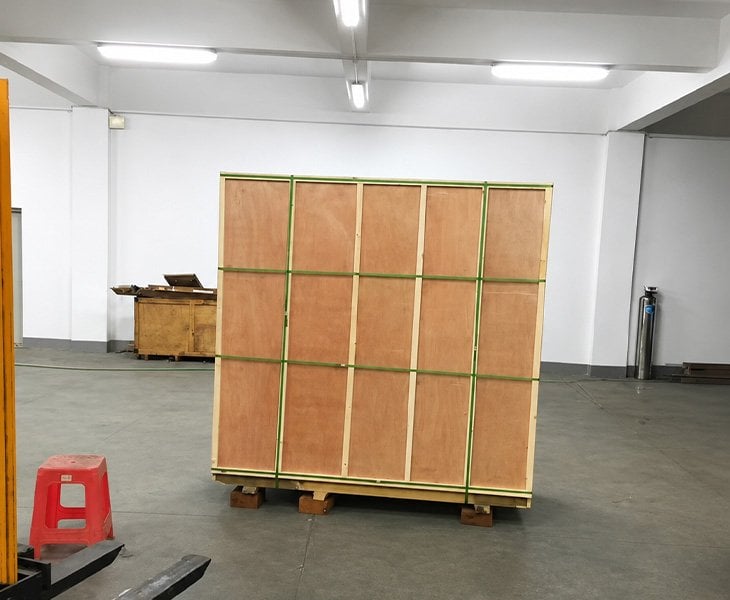
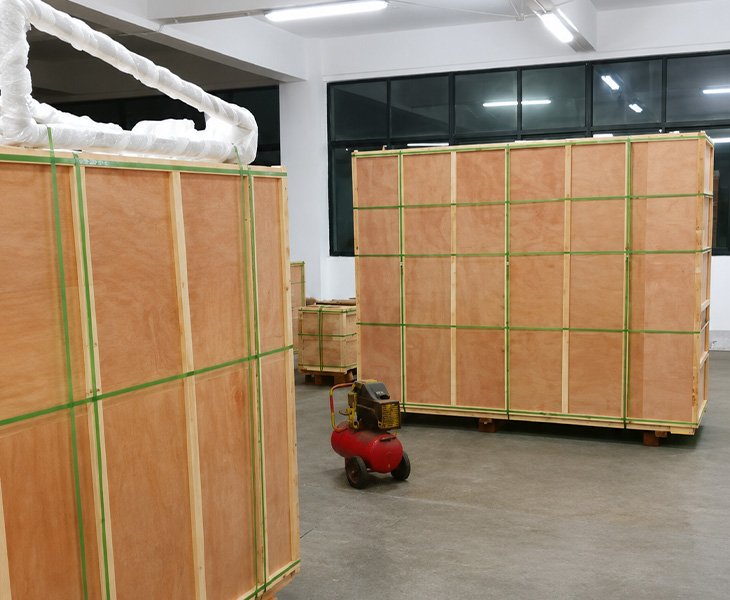
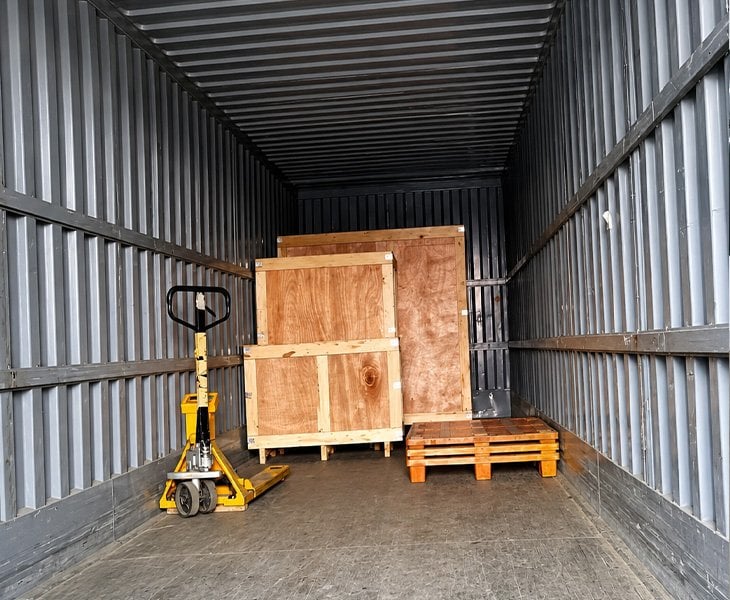
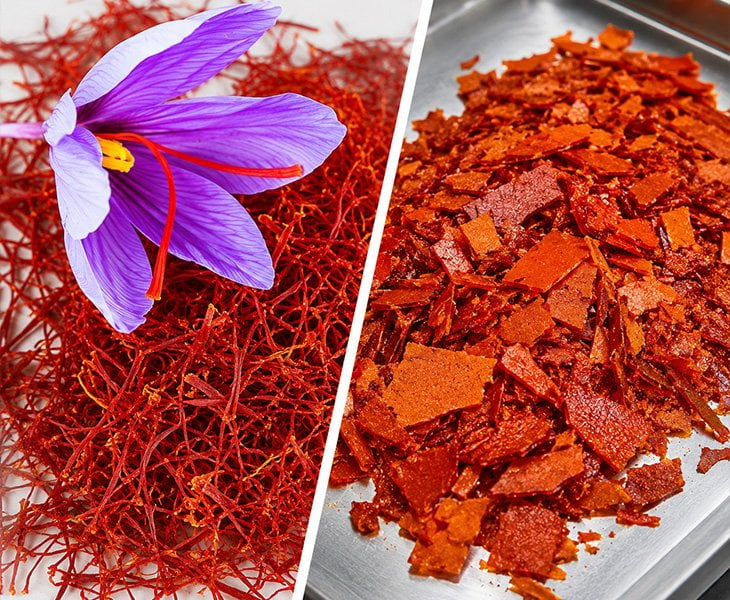
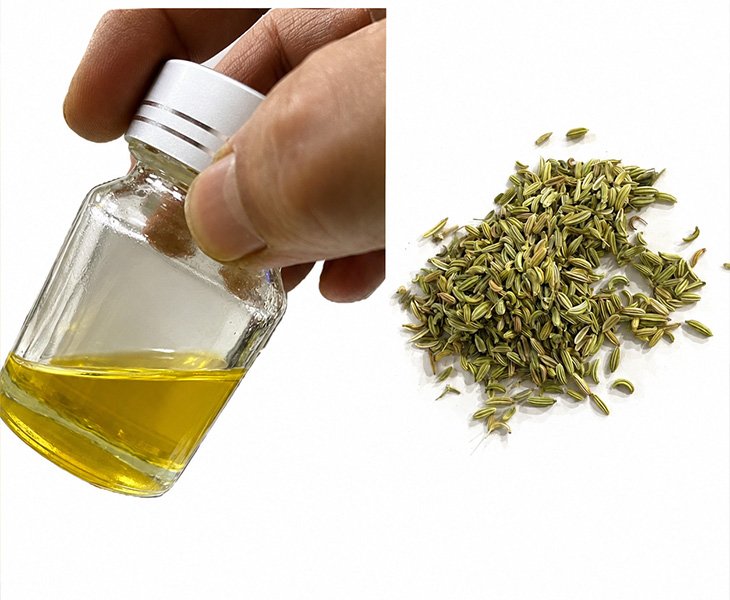
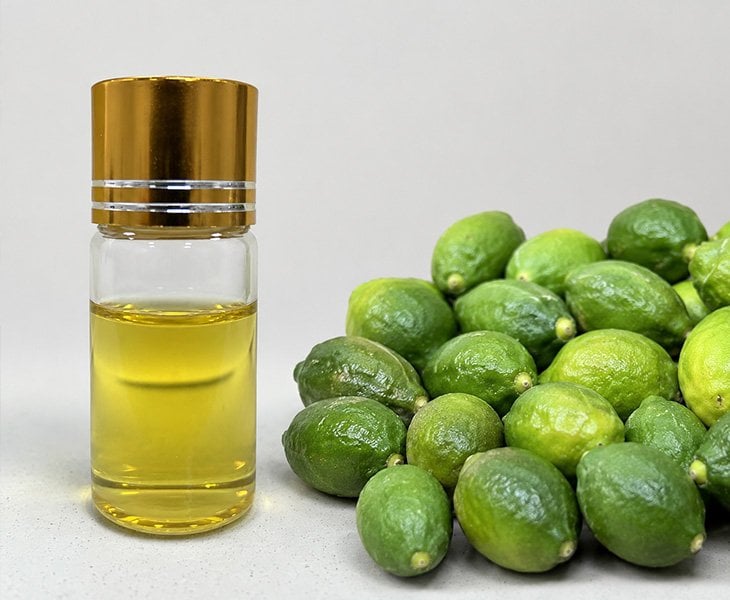
HiURTB supports essential oil CO2 extraction projects from raw material review, sample testing, and essential oil extraction equipment configuration to production, pre-shipment testing, delivery, installation guidance, and after-sales support.
For overseas projects, on-site installation and operator training can be arranged according to the confirmed project scope, service agreement, and local site conditions.
Raw Material & Process Review
Review material type, target oil, daily capacity, and testing requirements before quotation.
Biomass Sample Testing Support
Evaluate yield, aroma, color, viscosity, and extract form before scale-up.
Pre-Shipment Testing
Check system configuration, pressure control, safety protection, and basic operation before delivery.
Overseas Installation & Operator Training
Provide on-site installation guidance and operator training according to the confirmed service scope.
Remote Technical Support
Provide remote guidance for operation, troubleshooting, and process adjustment.
Spare Parts & Maintenance Support
Support spare parts planning and long-term system maintenance after delivery.
Related Equipment for CO2 Essential Oil Extraction Process
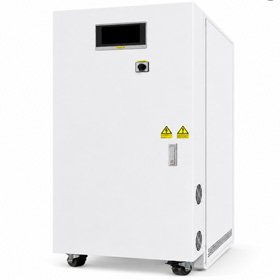
A matching water chiller is configured with the HiURTB CO2 extraction system.
For waxy, viscous, or resinous CO₂ extracts, an additional extraction chiller can be reviewed for low-temperature clarification, wax separation, or post-processing cooling according to the final product requirement.
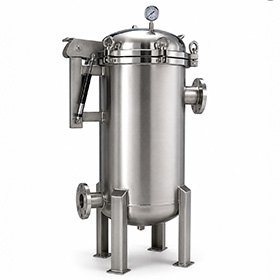
For basic clarification when waxes, particles, or suspended solids need removal from crude extract or oleoresin-style extract.
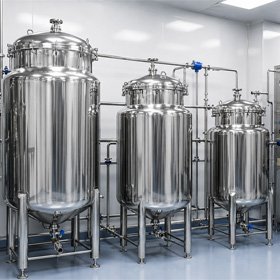
For sanitary oil collection, temporary storage, transfer, and final extract form handling after carbon dioxide extraction.
HiURTB can review the final extract form, viscosity, storage condition, and packaging requirement.
For selected high-value aroma extracts or resinous CO2 extracts, basic filtration, cooling, or further refining such as short path distillation can be reviewed if a higher purity or lighter fraction is required.
Typical CO2 Essential Oil Extraction Equipment Configuration
The following 10L + 10L configuration is shown as a reference example. Vessel volume, multi-stage separator quantity, CO2 pump capacity, booster pump, recovery system, control level, and utilities can be customized according to raw material, target extract, and daily capacity. Larger configurations such as 29L×3 are also available for production-scale projects.
- Data Sheet
| Module | Reference Configuration | Notes |
| Extraction Vessel | 10L × 2 | For lab, pilot, or small production essential oil projects |
| Separator 1 | 8L × 1 | For first-stage extract collection |
| Separator 2 | 5L × 1 | For secondary separation and collection |
| Design Pressure | Extraction vessel 50MPa; separators according to configuration | Final design depends on project scope |
| Working Pressure | Based on material and process requirement | Pressure range to be confirmed by testing |
| Working Temperature | Up to 85°C reference | Actual temperature depends on target aroma/extract |
| CO2 Pump | 100L/h, outlet pressure 50MPa | Flow can be configured by system size |
| Chiller | 5P reference | For CO2 cooling and temperature control |
| Heat Exchanger | Extraction / separator heat exchangers | Supports temperature control during extraction and separation |
| Filter / Purifier | Removable filter material basket | For CO2 system purification or process support |
| CO2 Storage Tank | 10L reference | Keeps CO2 supply stable |
| Pressure Control | PLC automatic pressure control | For extraction vessel and separator pressure control |
| Flow Meter | 10–200L/h reference | Displays instant and accumulated flow |
| Safety Protection | Differential pressure protection, pressure limit, safety valve | Helps reduce high-pressure operation risk |
| PLC + HMI | Siemens / Schneider / HMI reference | For operation and control interface |
| Optional CO2 Recovery | Available according to project | Depends on CO2 consumption, cycle time, and cost review |
| Power Supply | 380V / 50Hz reference | Can be reviewed according to installation country |
| Material | 304 stainless steel for main contact parts | Configuration depends on project requirement |
Essential Oil Extraction Equipment is used to separate aroma oil, volatile compounds, terpene-rich fractions, or oleoresin-style extracts from natural raw materials.
Different extraction methods may include steam distillation, cold pressing, solvent extraction, or supercritical CO2 extraction.
HiURTB mainly focuses on CO2 extraction systems for high-value aroma oils, spice oleoresins, terpene-rich oils, and natural fragrance extracts.
CO2 Essential Oil Extraction Equipment uses pressurized and temperature-controlled carbon dioxide as the extraction medium.
CO2 passes through the loaded raw material and dissolves selected oil-soluble aroma compounds.
The extract-rich CO2 then enters separators, where pressure and temperature changes allow oil, aromatic extract, or oleoresin to be collected.
Common essential oil extraction methods include steam distillation, steam extraction of essential oils, cold pressed essential oil extraction, solvent extraction of essential oils, and supercritical CO2 extraction.
Steam distillation is widely used for many common essential oils. Cold pressing is often used for citrus peel oils. Solvent extraction may be used for selected aromatic materials. Supercritical CO2 extraction is usually selected for high-value aroma materials, terpene-rich oils, spice oleoresins, resinous extracts, and heat-sensitive natural fragrance extracts.
The difference between CO2 extract and essential oil depends on the extraction method, target compounds, and final product form.
Essential oil usually refers to volatile aromatic oil obtained from plant materials, often by steam distillation or cold pressing. A CO2 extract is produced by pressurized carbon dioxide and may contain aroma compounds, terpene-rich fractions, heavier oil components, waxes, pigments, resins, or oleoresin components depending on the process setting.
When comparing CO2 extracts vs essential oils, it is important to consider aroma profile, viscosity, color, active compound range, and final application.
CO2 extraction is not always better than steam distillation essential oil extraction.
Steam distillation is still economical and widely used for many common essential oils.
CO2 extraction for essential oils is more suitable when low-temperature processing, aroma preservation, terpene-rich fractions, solvent-free extraction, or high-value extract quality is more important than the lowest equipment cost.
The best extraction method for essential oils depends on raw material type, target oil, quality requirement, production capacity, and budget.
CO2 extraction is often described as solvent-free because carbon dioxide separates from the final extract after pressure release and does not leave traditional organic solvent residue.
However, some special processes may use a co-solvent such as ethanol to improve extraction of certain compounds.
Essential Oil Extraction Equipment configuration should follow your target extract and raw material properties.
Typical materials include lavender, rosemary, mint, hops, citrus peel, pepper, ginger, clove, turmeric, cinnamon, vanilla, frankincense, and selected high-value aroma or spice materials.
Suitability depends on oil content, moisture, particle size, target compounds, expected extract form, and whether the final product should be light oil, aromatic extract, terpene-rich fraction, or viscous oleoresin.
The cost of CO2 Essential Oil Extraction Equipment depends on vessel volume, pressure rating, number of extraction vessels, separator configuration, CO2 pump capacity, automation level, heating and cooling system, CO2 recovery configuration, certification requirements, installation support, and after-sales scope.
Lab, pilot, and production-scale systems have very different budgets.
Please share your raw material, daily capacity, and target extract for a practical quotation.
How To Choose Supercritical CO2 Essential Oil Extraction Equipment
Besides vessel volume and machine size, a practical Supercritical CO2 Essential Oil Extraction Equipment should be based on your raw material, target extract, daily capacity, testing results, operation requirements, and long-term operating cost.
The following steps can help you choose a practical Essential Oil CO2 Extraction Equipment configuration based on your raw material, target CO2 extract, production capacity, process requirements, site conditions, and long-term operating cost.
Step 1: Check Whether Your Raw Material Is Suitable For CO2 Extraction
CO2 extraction is more suitable for selected high-value aroma materials, terpene-rich materials, spice oils, oleoresins, resinous fragrance materials, and selected natural flavor materials. It is not automatically suitable for every essential oil raw material.
Typical material categories include:
| Material Category | Examples |
| Floral Aroma Oil | Lavender, rose, chamomile |
| Herbal Aroma Oil | Rosemary, mint, thyme, eucalyptus |
| Citrus Peel Aroma | Orange peel, lemon peel, citrus peel |
| Hops Aroma | Hops CO2 extract, brewing aroma, terpene-rich oil |
| Spice Oleoresin | Pepper, ginger, turmeric, clove, cinnamon |
| Resinous Aroma | Frankincense, myrrh, selected aromatic resins |
| Natural Flavor Materials | Vanilla and selected high-value flavor materials |
Useful material information includes raw material name, origin, fresh or dried condition, moisture level, particle size, oil content, loading density, and target compounds.
The same material may perform differently depending on growing area, drying condition, storage time, and crushing size. Therefore, before selecting Essential Oil Extraction Equipment, it is important to first review whether your material is suitable for supercritical CO2 extraction.
For selected material extraction videos and test references, you can also refer to our CO2 extraction material and test case index.
Step 2: Define Your Target Product And Quality Requirement
Before selecting equipment, you need to define what final product you want to obtain. Different projects may target light aroma oil, terpene-rich oil, aromatic CO2 extract, viscous oil, resinous extract, or spice oleoresin.
The target product will influence the extraction pressure range, temperature setting, separator configuration, CO2 flow rate requirement, and production capacity calculation. For example, a light aroma oil project may focus more on aroma profile and volatile compound preservation, while a spice oleoresin or resinous extract project may need to consider heavier oil fractions and fractionation, viscosity, and extract concentration.
You should also consider your expected product quality, such as aroma profile, color, viscosity, oil yield, active compound range, and final use. If the target product and quality requirement are not clear, the Essential Oil Extraction Equipment configuration may also be inaccurate.
Step 3: Decide Whether Sample Testing Is Needed
For new or high-value materials, sample CO2 extraction testing is recommended before buying production equipment. The same material from different origins can behave differently during extraction.
Moisture, particle size, oil content, storage condition, and material preparation can all influence the extraction result. Oil yield cannot be promised only by material name. Sample testing helps check yield, color, aroma, viscosity, extract form, and possible post-processing needs.
The test result can help confirm whether CO2 extraction is suitable, what type of extract can be obtained, and whether the project is commercially meaningful. It also supports later equipment selection, including vessel volume, pressure range, temperature range, separator configuration, and production capacity.
Please note that process data from small-scale testing may need to be adjusted when applied to larger production equipment. In many cases, the actual extraction time on larger systems may be longer than the time obtained from small test equipment.
For high-value materials, testing can reduce investment risk before purchasing Essential Oil Extraction Equipment.
Step 4: Estimate Daily Capacity From Real Working Conditions
Besides vessel size, daily capacity also depends on raw material loading density, extraction cycle time, pressurization time, CO2 recovery time, loading and unloading time, cleaning time, and working hours per day.
If you process many different aroma materials, frequent cleaning and material changeover may reduce actual production efficiency. If you process one material in larger batches, a larger vessel or multiple-vessel configuration may be more suitable.
This step helps you avoid choosing essential oil extraction equipment only by “how many liters.” A practical capacity estimate should be based on real working conditions, not only theoretical vessel volume.
Step 5: Choose Vessel Size And System Configuration
The vessel size and number of vessels should be selected according to your batch size, material type, production target, cleaning requirements, and future capacity plan.
If you process one main material in large volume, a larger vessel with fewer systems may be more practical. If you process many materials in smaller batches, smaller vessels or multiple-vessel configurations may offer better flexibility and shorter cleaning time.
Larger vessels may increase single-batch capacity, but cleaning, loading, unloading, and material changeover can take more time. Smaller vessels may have lower single-batch capacity, but they can be more flexible for different materials, product development, and sample production.
When choosing Essential Oil Extraction Equipment, do not only compare total vessel volume. Systems with the same total volume may have different actual throughput, operation difficulty, CO2 saturation performance, cleaning workload, and failure risk. These differences are often related not only to purchased components, but also to configuration rationality and structural design.
Step 6: Match Pressure, Temperature, CO2 Flow Rate, And Separator Design
CO2 extraction performance depends on pressure, temperature, CO2 flow rate, and separator configuration. These settings influence extraction selectivity, oil collection, aroma profile, and final extract form.
Different materials may require different parameter ranges. Aroma oils, terpene-rich fractions, spice oleoresins, and resinous extracts may not behave the same way during extraction and separation.
Separator design is especially important because it affects how the extract is collected after pressure and temperature changes. CO2 saturation during extraction also directly affects extraction efficiency.
Proper matching helps improve product quality and avoids relying only on essential oil extraction equipment size.
Step 7: Confirm Extract Collection And Supporting Equipment Needs
After CO2 extraction and separation, the collected extract may have different physical forms. Some extracts can be collected directly, while others may need basic filtration, cooling, separation, clarification, or special handling during transfer.
Viscous, waxy, resinous, or oleoresin-style extracts may require more attention to collection method, discharge design, transfer tools, cleaning, and storage. Not every essential oil project needs complex downstream processing, but the collection and basic post-processing requirements should be reviewed before final equipment configuration.
This step helps you prepare a more complete system instead of buying only the essential oil extraction equipment and discovering later that the extract is difficult to collect, transfer, filter, or package.
Step 8: Evaluate CO2 Recovery And Long-Term Operating Cost
CO2 recovery can reduce CO2 waste in some projects, but it is not automatically necessary for every configuration. The decision should depend on extraction cycle time, CO2 consumption, production frequency, material characteristics, and operating cost.
For some projects, CO2 recovery may improve long-term cost control. For others, the added equipment cost, recovery time, and project scale should be reviewed carefully.
Some short-cycle projects or special-material projects may need a cost review before adding CO2 recovery. Stable operation, cleaning time, maintenance difficulty, and operator training also affect long-term operating cost.
This step helps you balance initial investment on essential oil extraction equipment and long-term operation cost.
Step 9: Avoid Choosing Equipment Only By Automation Level
For high-pressure CO2 extraction systems, higher automation does not always mean a better choice. A practical system should balance automation, safety, stability, operation difficulty, and long-term maintenance cost.
A very basic configuration may require operators to remember many valve operation steps, which increases training difficulty and the risk of operation mistakes. However, unnecessary over-automation, especially in high-pressure systems, can also increase system complexity, equipment cost, failure risk, and maintenance pressure.
For essential oil CO2 extraction projects, stable structure, reasonable configuration, clear operation logic, and easy maintenance are more important than excessive automation. Practical Essential Oil Extraction Equipment should help reduce operator training difficulty, daily operation mistakes, and long-term failure risk.
Step 10: Request A Practical Equipment Configuration
HiURTB can help review whether CO2 extraction is suitable and suggest a practical Essential Oil Extraction Equipment configuration for lab, pilot, or production-scale essential oil projects.
If you are evaluating CO2 extraction for essential oil, aroma oil, terpene-rich oil, spice oleoresin, or natural fragrance extract, please share the following information:
| Information Needed | Why It Matters |
| Raw Material Name | Helps judge whether CO2 extraction is suitable |
| Fresh Or Dried Condition | Affects loading, extraction efficiency, and process setting |
| Moisture Level If Available | Helps evaluate material preparation requirements |
| Particle Size If Available | Affects CO2 penetration and pressure drop |
| Daily Processing Capacity | Helps estimate vessel size and system scale |
| Working Hours Per Day | Affects real daily output calculation |
| Target Oil Or Extract | Determines pressure, separator, and collection needs |
| Expected Final Product Form | Helps review collection and post-processing needs |
| Whether Sample Testing Is Required | Helps reduce investment risk before scale-up |
| Installation Country | Affects voltage, documentation, and certification review |
| Voltage And Utility Conditions | Affects electrical and site preparation |
| Certification Requirement | Affects pressure vessel and project documentation |
| Budget And Timeline If Available | Helps suggest a practical configuration level |
Before final equipment selection, we recommend simple process exploration or sample testing when possible. This can provide useful data for project budget planning, feasibility evaluation, and practical equipment configuration.
If you are not sure whether your material is suitable for supercritical CO2 extraction, you can send us your raw material, daily processing capacity, target extract, and testing requirements. HiURTB will help review your project and suggest a suitable equipment configuration.

