
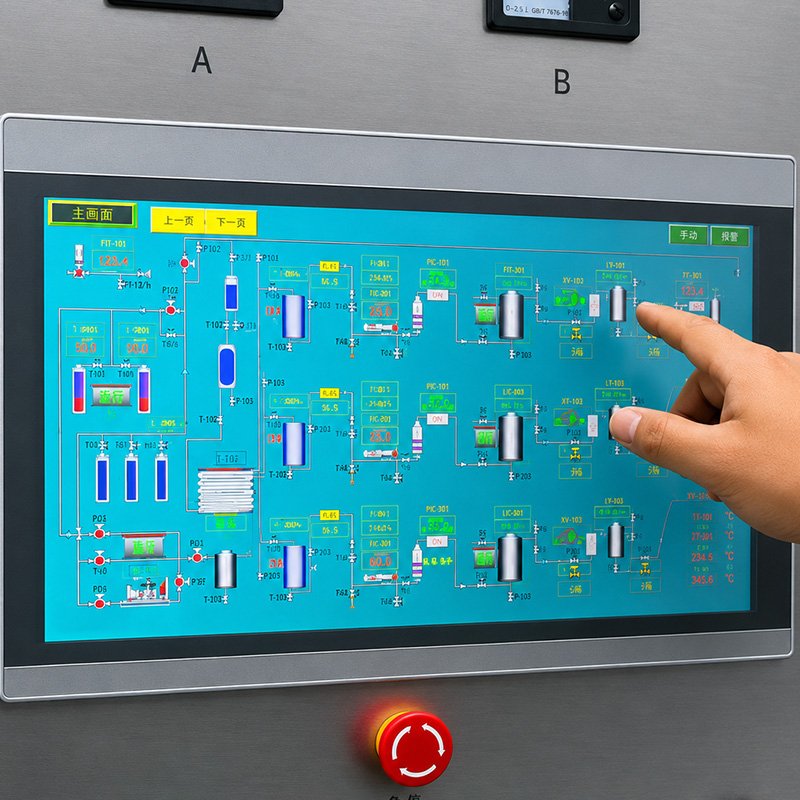
Why Choose CO2 Botanical Extraction Equipment
- Lower-Temperature Extraction for Aroma-Sensitive Compounds
- Cleaner Oil-Like Botanical Extracts
- Suitable for Selected Botanical Oil, Aroma, Resin and Terpene Projects
- More Controlled Extraction by Pressure, Temperature and Separator Settings
Your Botanical Extraction Equipment Manufacturer
HiURTB is a manufacturer and project-based wholesale supplier of CO2 botanical extraction equipment in China for selected plant oils, herbal extracts, natural aromas, resinous extracts, terpene-rich extracts, and plant active ingredient intermediates.
Vessel volume is only one factor in industrial equipment selection. Before equipment selection, we review your botanical material, target compounds, expected extract form, daily capacity, working hours, testing needs, and post-processing requirements.
For new non-cannabis botanical materials, sample testing can help evaluate CO2 extraction suitability, preliminary yield, crude extract form, color, aroma, viscosity, and possible downstream process needs before industrial investment.
After testing or material review, the industrial configuration can be further reviewed according to vessel volume, number of extraction vessels, CO2 flow rate, separator design, material loading, extraction time, collection method, cleaning convenience, and production requirements.
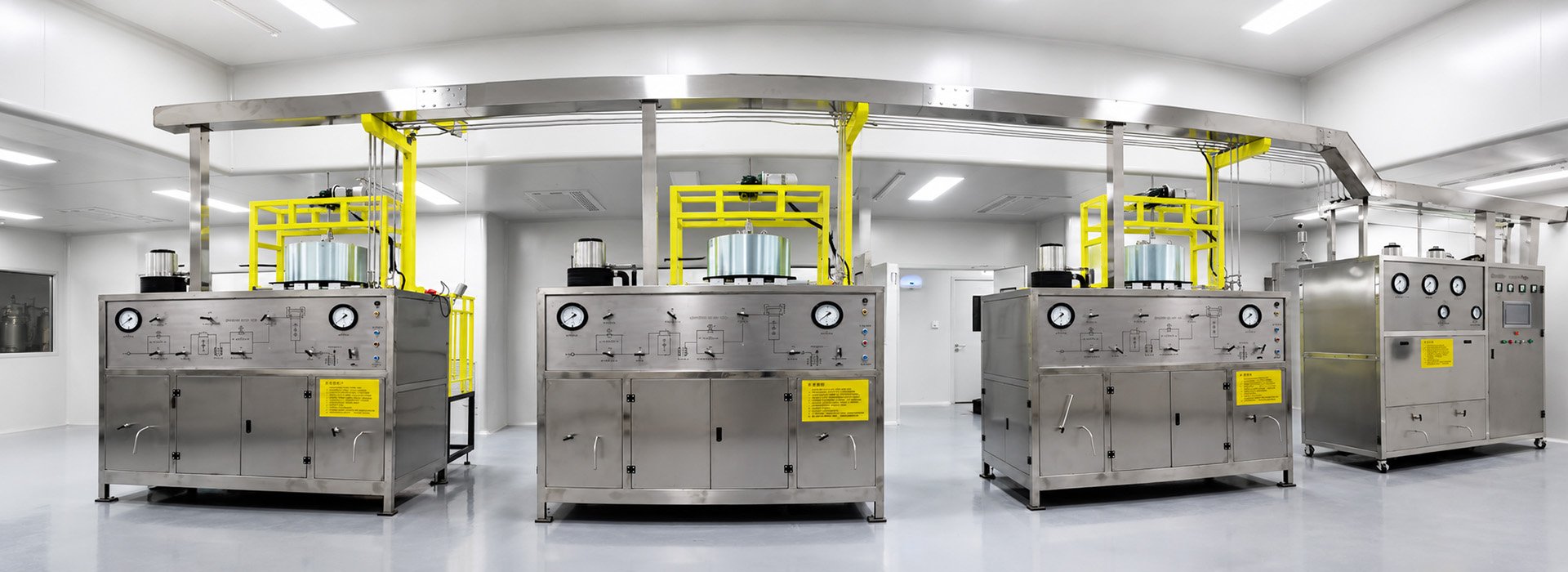
HiURTB can manufacture and configure CO2 extraction systems according to project requirements, including extraction vessels, separators, CO2 pump system, pressure and temperature control, PLC control, extract collection structure, CO2 recovery, and safety-related components.
For some botanical active ingredient projects, the CO2 extract may be used as a crude extract or intermediate for further de-waxing and filtration, distillation, vacuum drying, crystallization, purification, or formulation.
If ethanol is used for de-waxing, washing, or purification, an appropriately sized ethanol recovery system can also be integrated to recover and reuse the solvent.
HiURTB can supply or integrate the related post-processing equipment according to the final product requirements.
Share your botanical material, target compounds, expected extract form, daily capacity, working hours, and final product requirement, HiURTB can help review your material information, testing needs, post-processing requirements, and scale-up direction before recommending suitable botanical extraction equipment.
You will know more about our sample testing, configuration, equipment supply, and on site supports from one of our projects: CO2 extraction and process equipment in Vietnam.
Botanical Extraction Equipment by System Scale
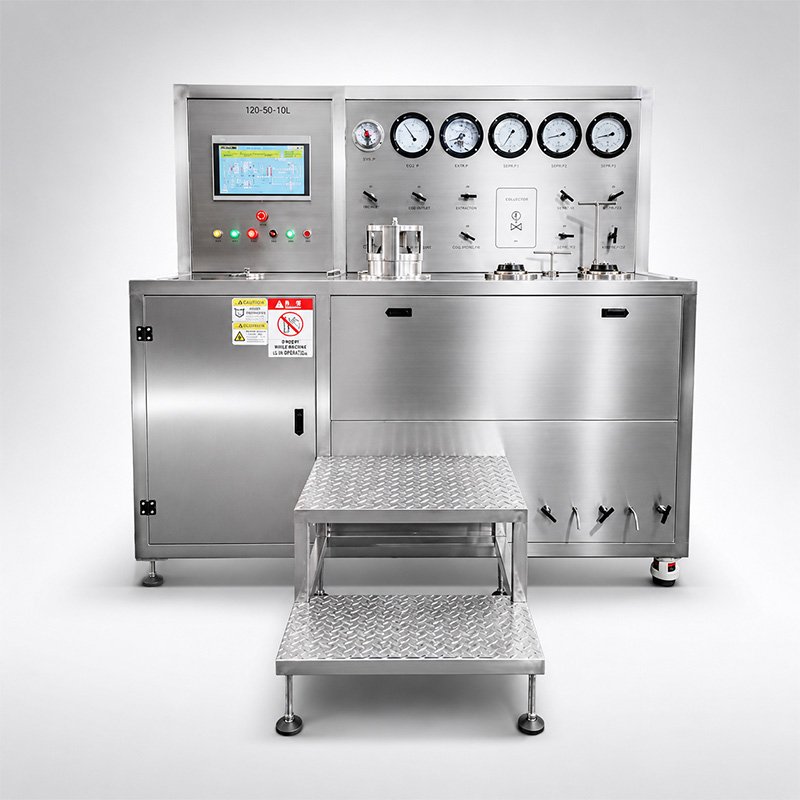
- 5L, 10L
- Suitable for material evaluation, small sample testing, process exploration, and early botanical extract development before pilot or production investment.
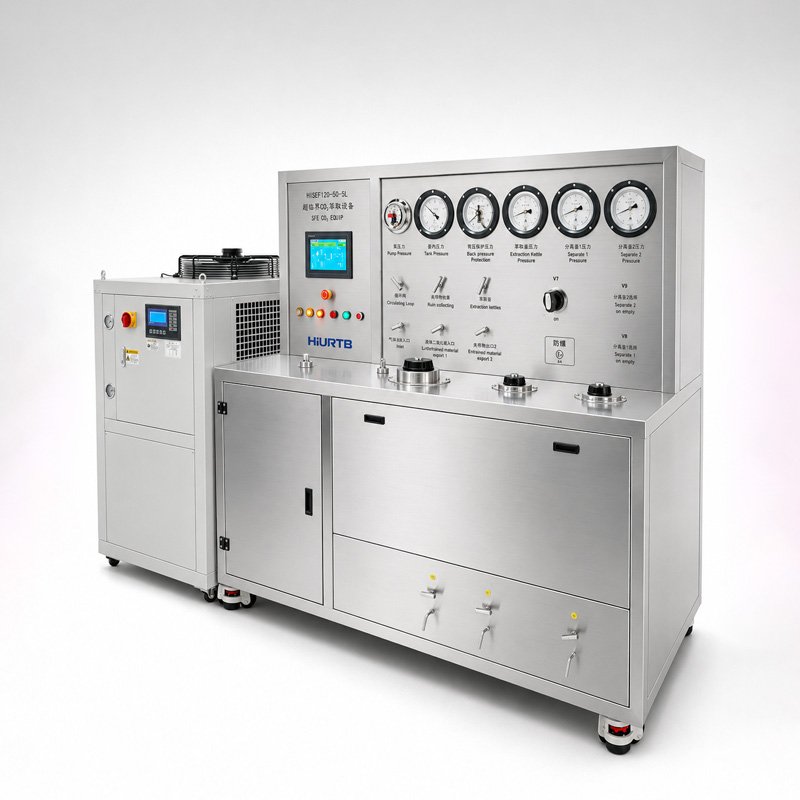
- 20L
- Suitable for small-batch botanical oil, aroma, resin, terpene, or herbal extract testing with more practical collection and operation conditions.
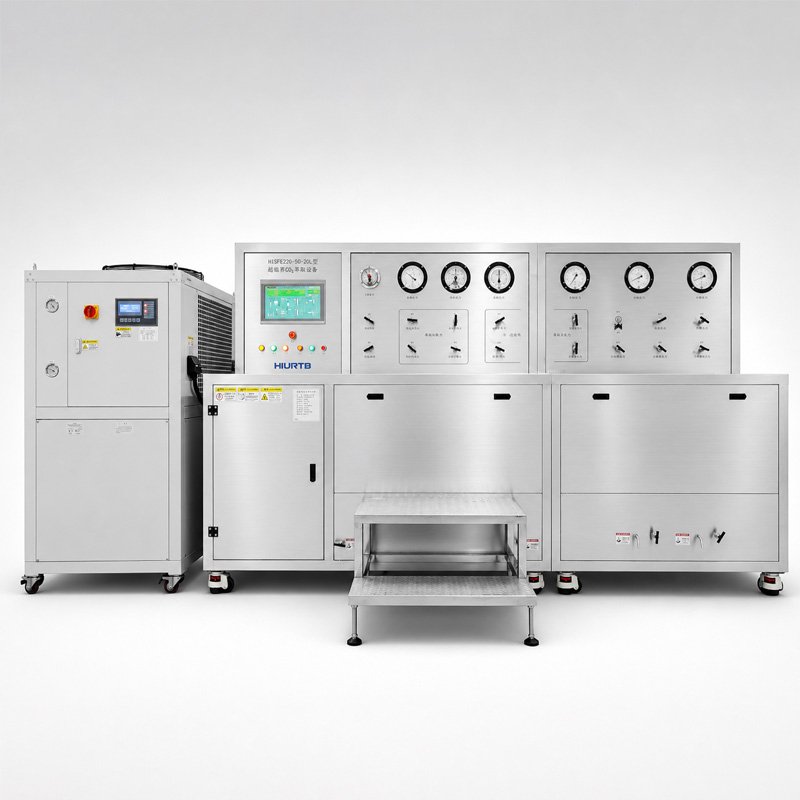
- 29L / 29L × 2 / 29L × 3
- Used for scale-up verification after sample testing, helping review extraction time, crude extract condition, preliminary yield, separator setting, and post-processing needs.
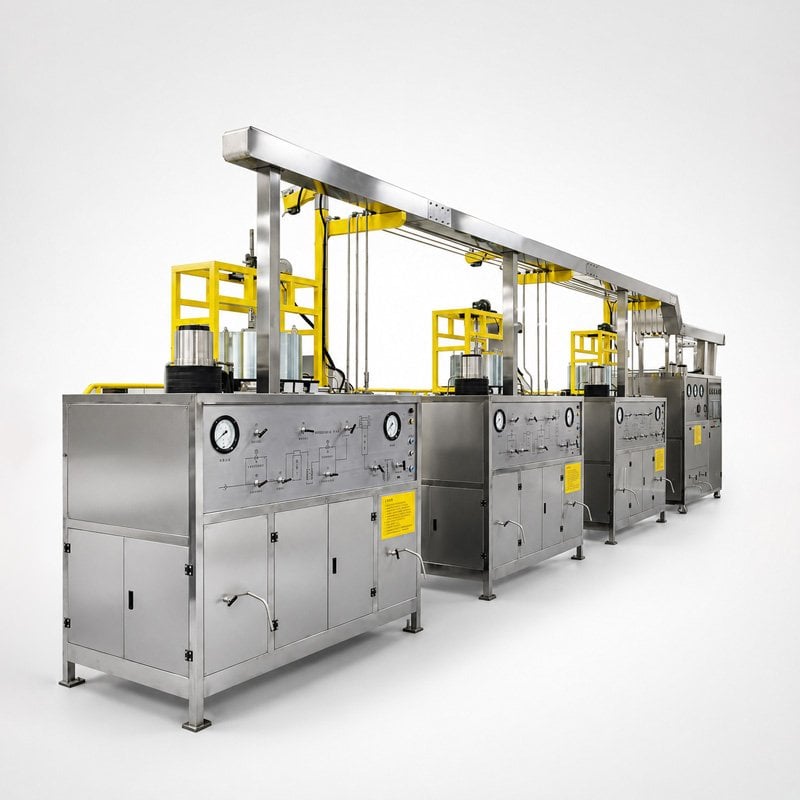
- 87L / 100L / 150L / 200L / 250L / 300L
- Configured according to daily capacity, vessel volume, CO2 flow rate, separator design, collection method, CO2 recovery, cleaning needs, and downstream process requirements.
Botanical Extraction Equipment by Application
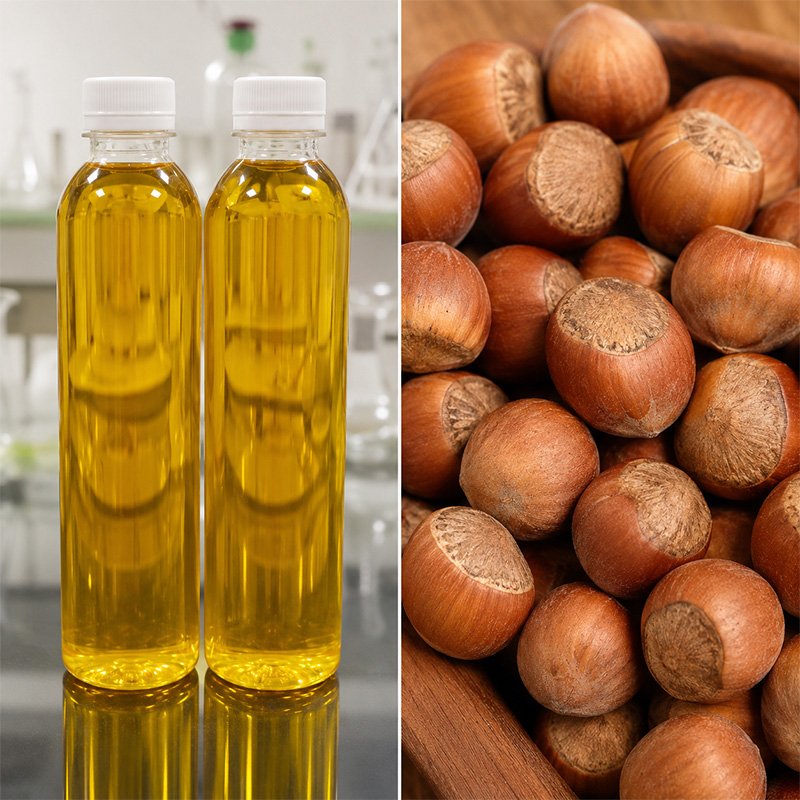
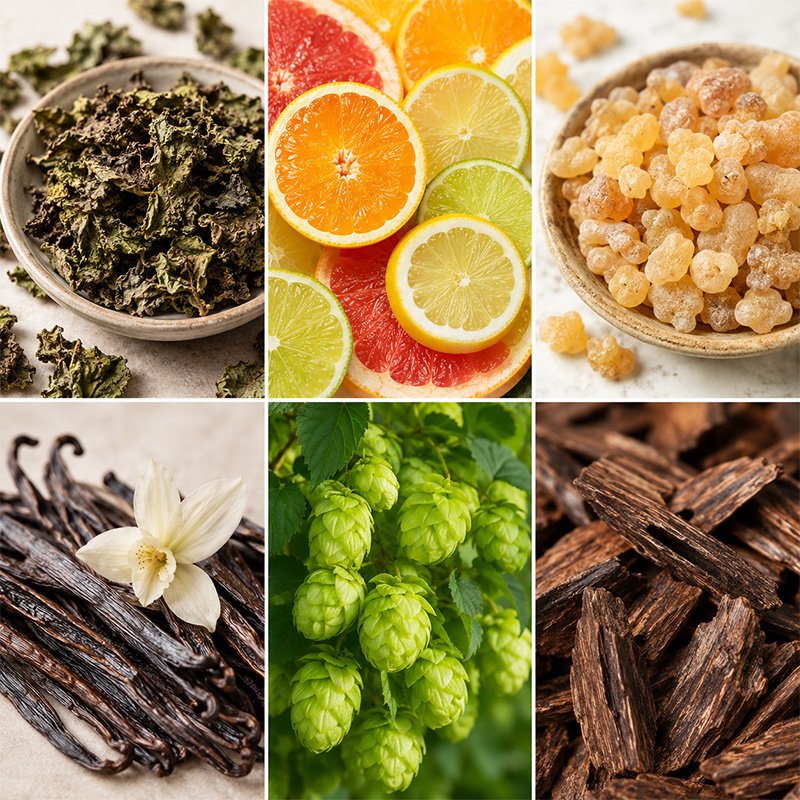
For selected oil-rich seeds, peels, fruits, or plant materials where CO2 extraction can support botanical oil or oil-like crude extract production.
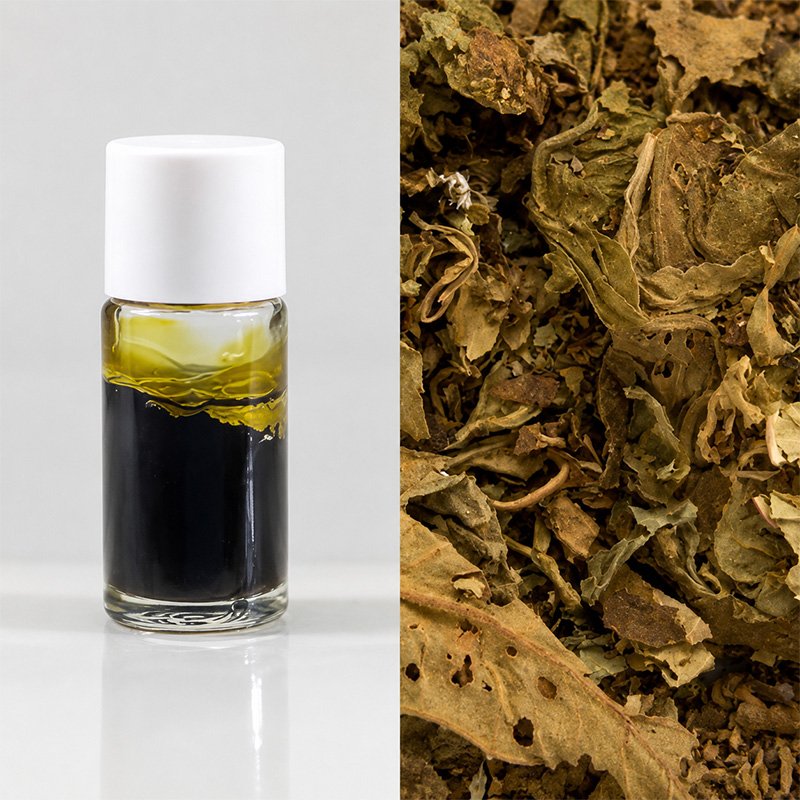
For selected herbal materials where the target compounds are oil-soluble, resinous, aromatic, or suitable for CO2 extraction after material evaluation.
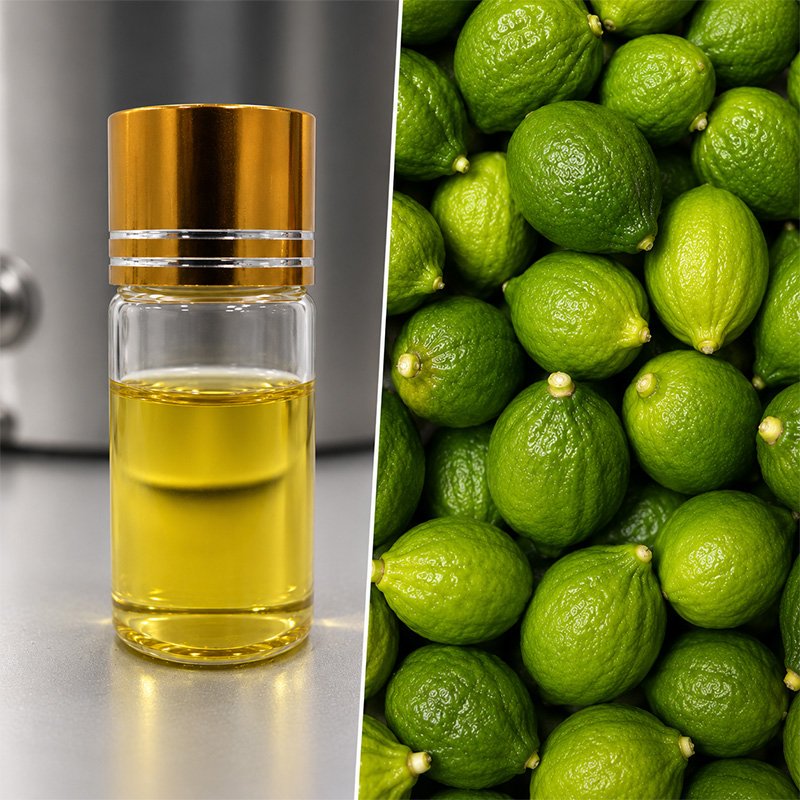
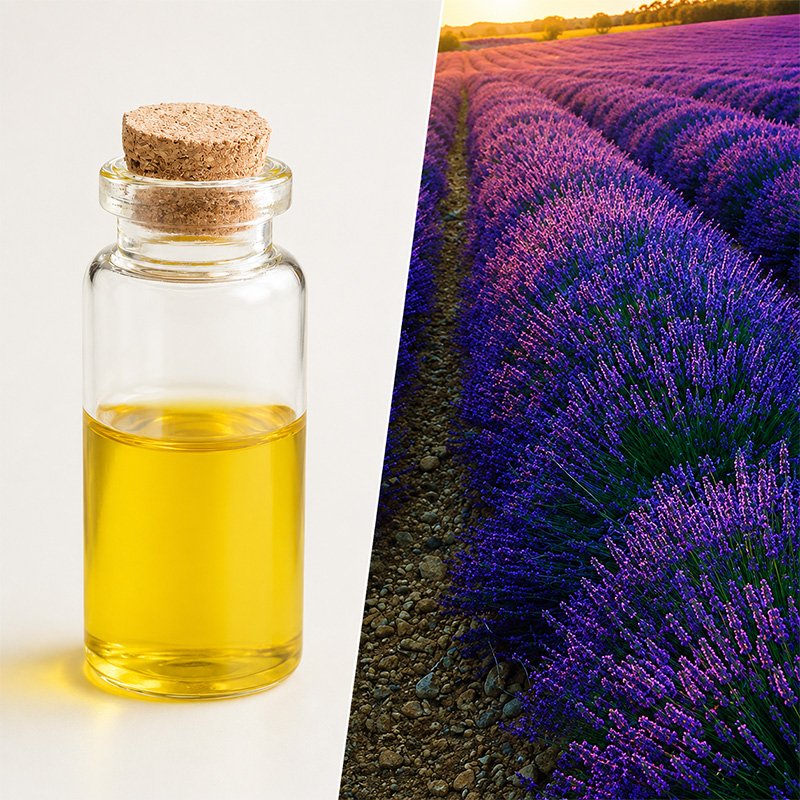
For aroma-sensitive flowers, herbs, spices, peels, woods, or other botanical materials requiring lower-temperature and more controlled extraction conditions.
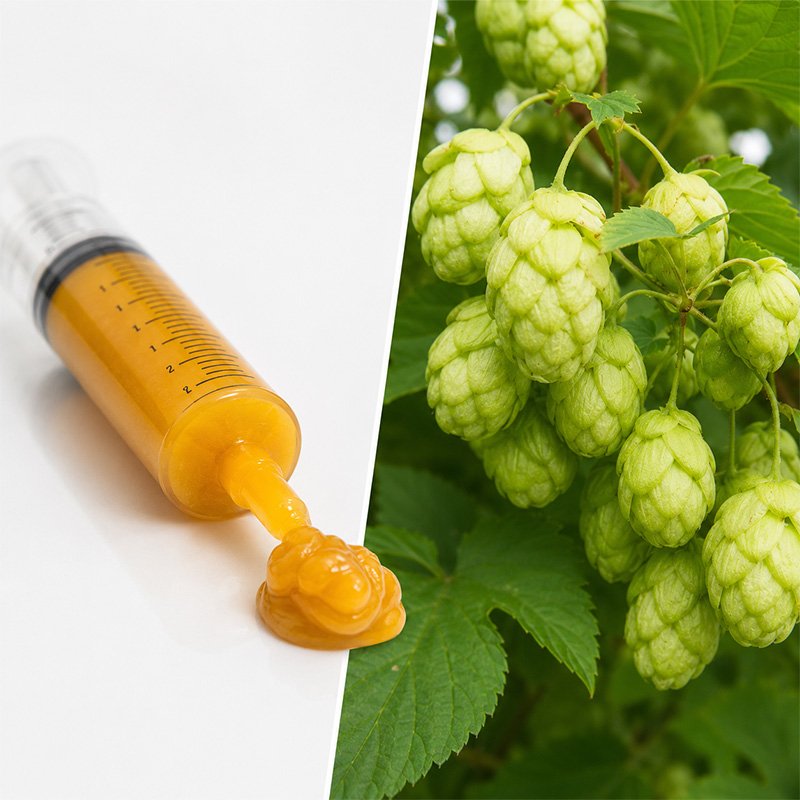
For botanical materials containing valuable terpene profiles, where pressure, temperature, and separator settings can help support controlled fraction collection.
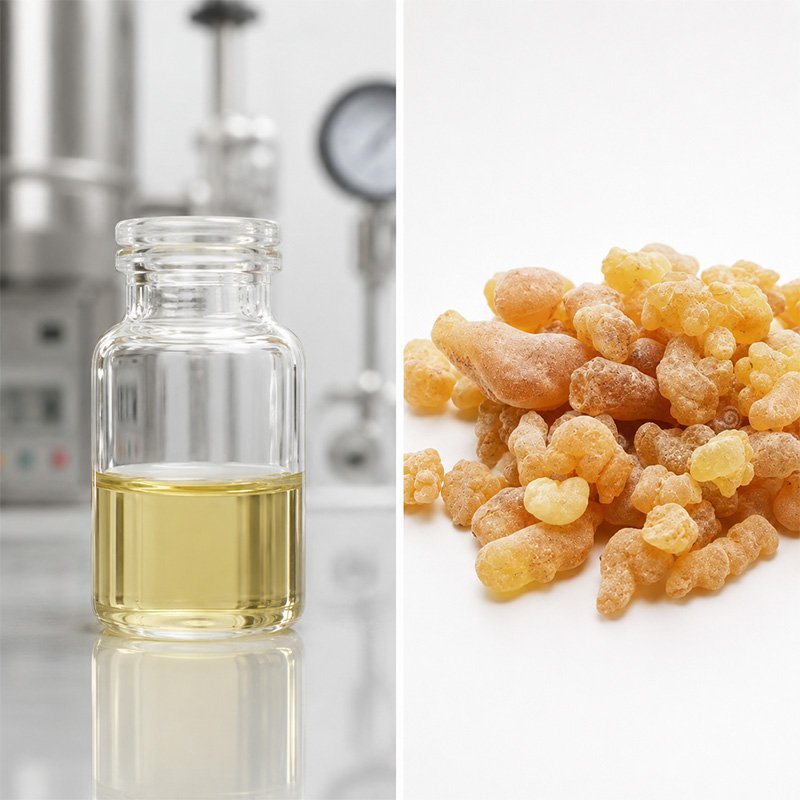
For selected resinous botanicals, spices, and oleoresin projects, where crude extract collection, viscosity, residue, and cleaning should be considered.
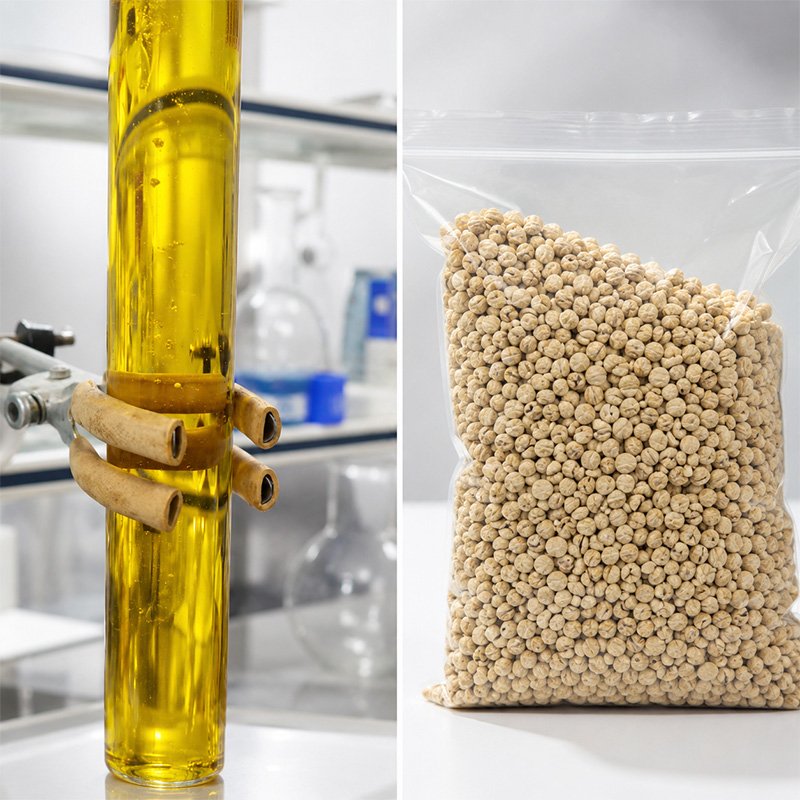
For selected lipophilic or non-polar plant active ingredient projects where CO2 extract may be used as a crude extract or intermediate for further processing.
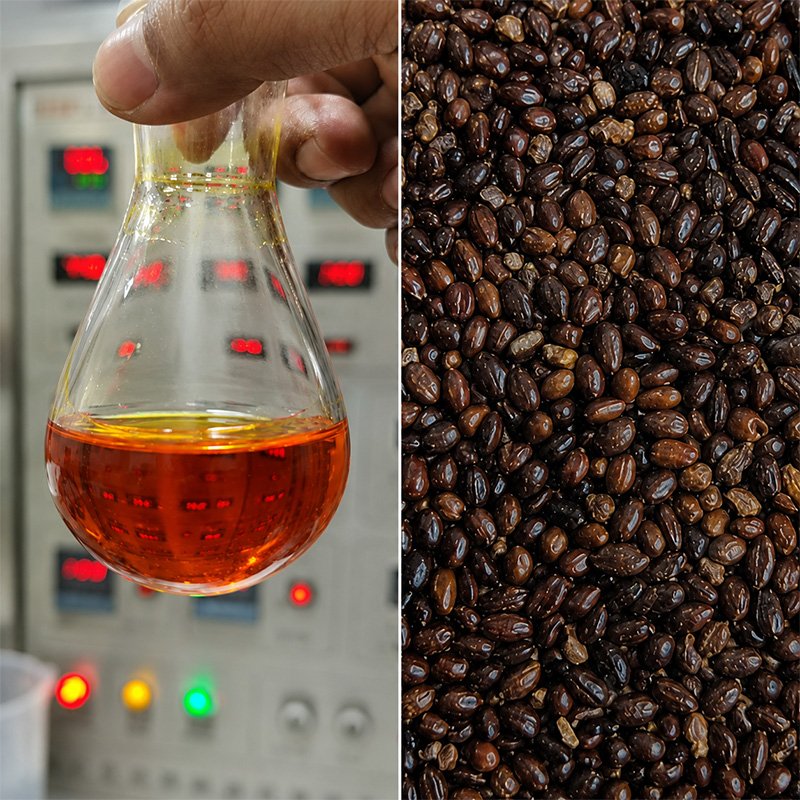
For natural ingredient projects where botanical CO2 extract may require filtration, distillation, drying, formulation, or other downstream processing.
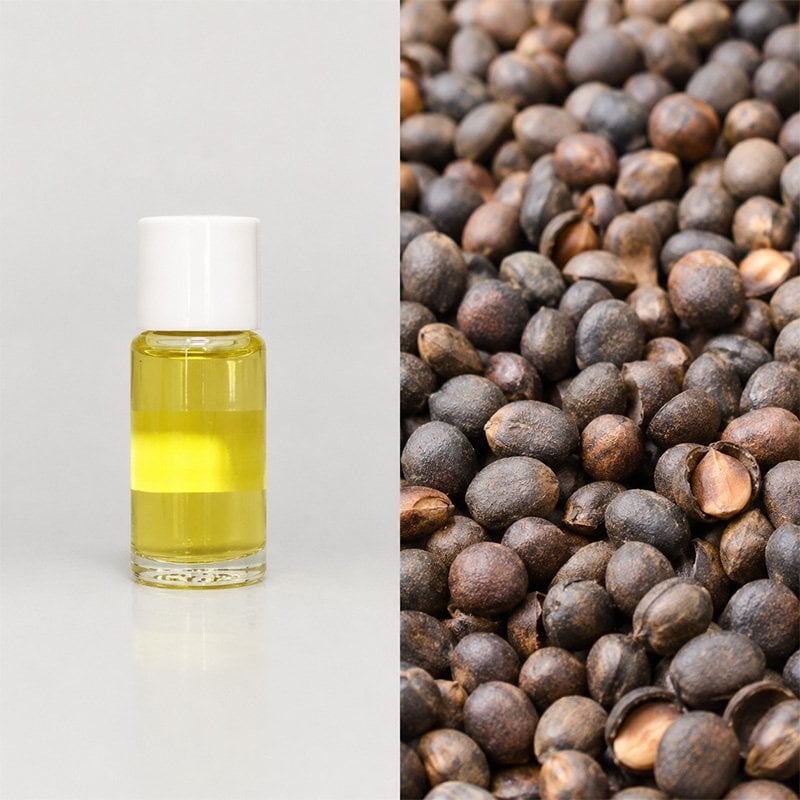
For selected botanical oil, aroma, resin, or lipophilic extract projects used in cosmetic, skincare, fragrance, or clean beauty ingredient development.
HiURTB Botanical Extraction Equipment Features

Each extraction module follows a similar operating logic.
Once operators understand one extraction vessel, they can learn the other modules more easily, helping reduce training difficulty and daily operation mistakes.

For multi-vessel systems such as 29L × 3 configurations, each extraction vessel can work with its matched separator and CO2 circulation pump, reducing operational interference between vessels.

The extraction vessel and its separator are arranged on the same module.
This helps shorten the pipeline path, reduce extract residue on pipe walls, and lower cleaning workload.

Each module is designed with relatively independent operation logic. When future capacity increases, additional modules can be reviewed, instead of replacing the whole CO2 extraction system directly.

HiURTB does not rely on unstable high-pressure automatic switching valves between extraction vessels. This helps reduce unnecessary automation risk, failure points, and long-term maintenance pressure.

The extraction vessels and matched separators can be controlled by PLC pressure regulation. This supports safer and more stable pressure control during botanical CO2 extraction operation.

The system supports CO2 recovery and reuse during operation. Gas-state CO2 recovery, storage support, and recovery pump configuration can help reduce CO2 consumption and improve operating economy.

Anti-ice design and matched CO2 circulation pumps help support stable long-time operation. Larger-flow pumps can work at relatively lower speed, helping reduce pump stress and support longer service life.
Test First, Scale Smarter
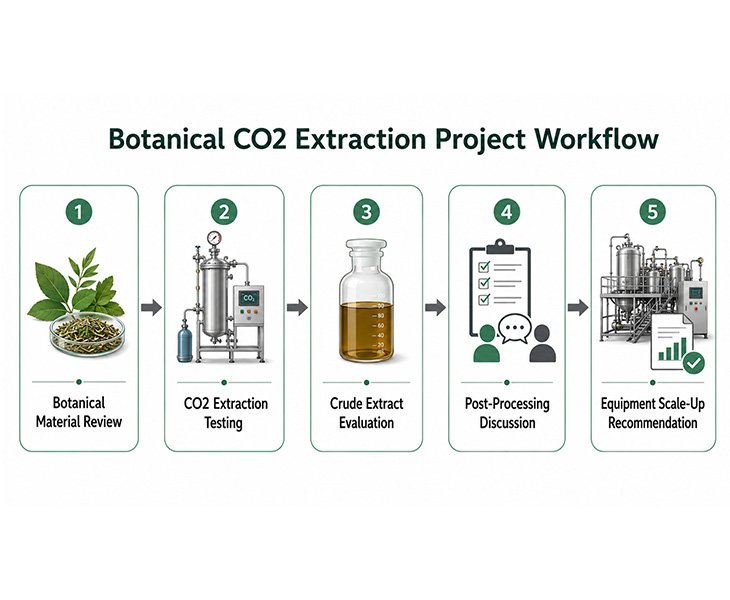
Sample testing helps turn botanical material evaluation into practical CO2 extraction equipment configuration. HiURTB first reviews your botanical material, target compounds, raw material condition, and final product requirements. Then CO2 extraction testing can provide practical process data, such as crude extract form, preliminary extraction yield, extraction pressure, extraction temperature, extraction time, color, aroma, viscosity, and possible downstream process needs.
Based on the testing result, your target processing capacity, and working hours per day, HiURTB can review which CO2 extraction system size may be more suitable, how many extraction vessels may be needed, and how much crude extract may need downstream processing. According to your target compounds and crude extract condition, the required post-processing equipment can also be reviewed before recommending a practical Botanical Extraction Equipment configuration.
Practical Extract Collection Design
Poor collection design may cause extract residue inside pipelines, collection loss, longer cleaning time, and unstable daily operation, especially for oily, waxy, viscous, resinous, or paste-like botanical extracts.
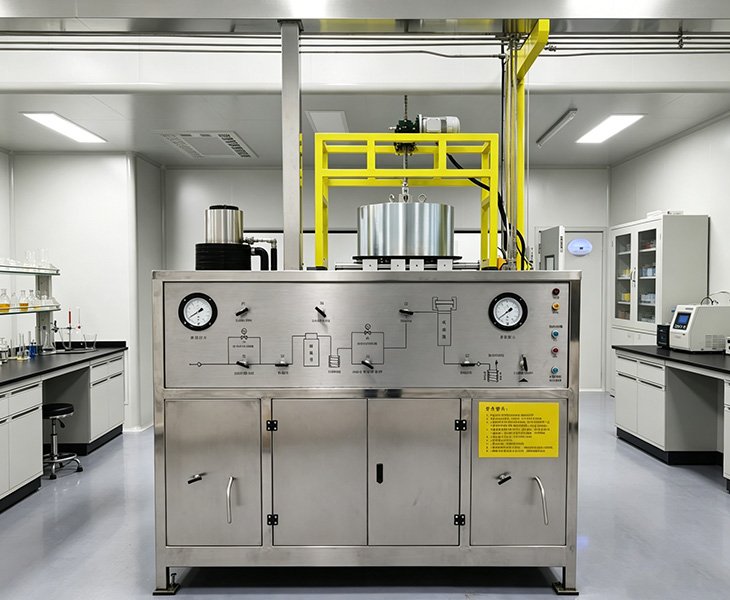
HiURTB uses a modular design. The first-stage separator matched with the extraction vessel is arranged on the same module, helping shorten the pipeline distance from the extraction vessel to the first separator. This design helps reduce extract residue on the inner pipe wall, lower collection loss, shorten the cleaning path, and make daily operation more practical for botanical CO2 extraction projects.
Botanical CO2 Extraction Equipment Manufacturing and Testing Support
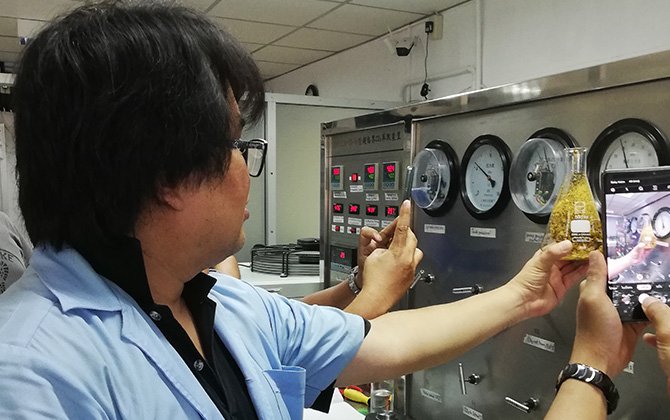
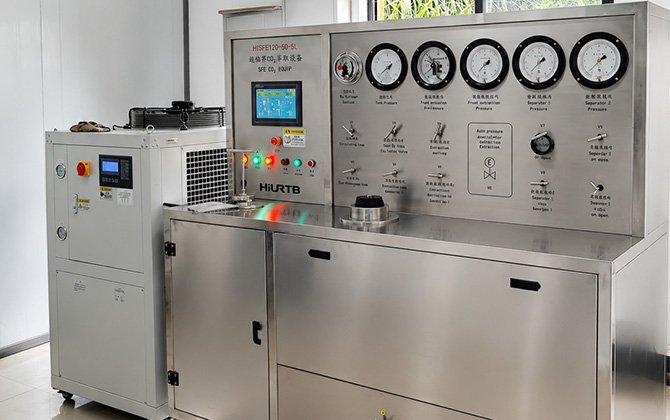
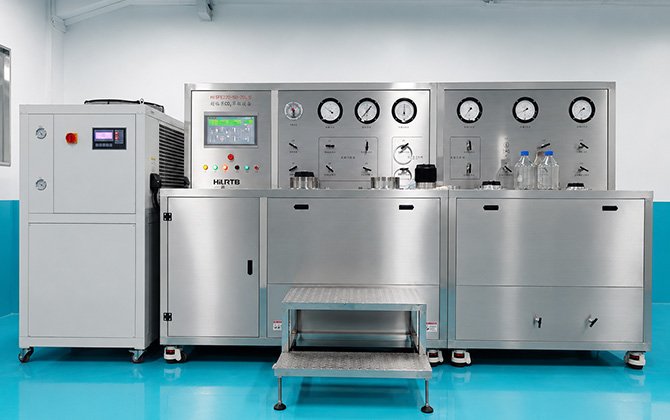
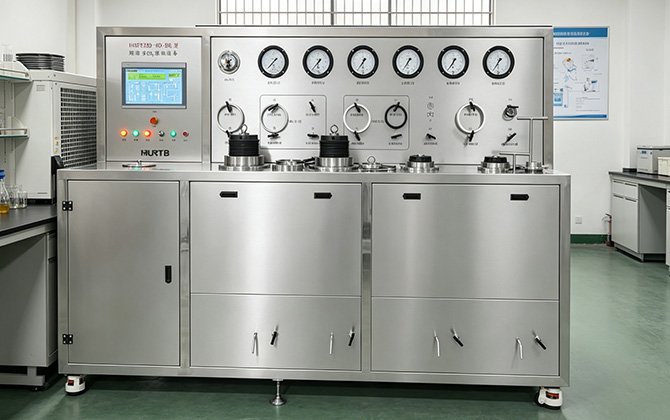
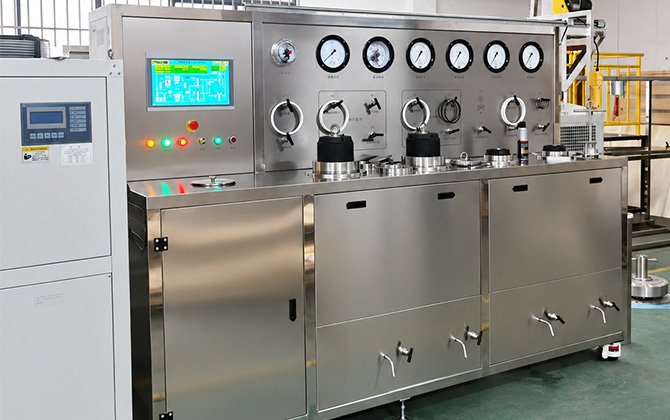
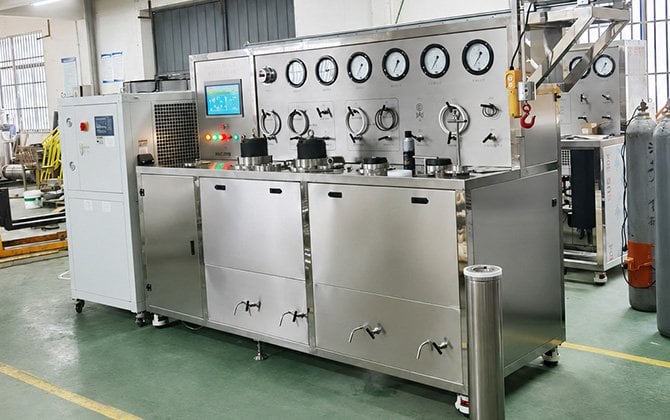
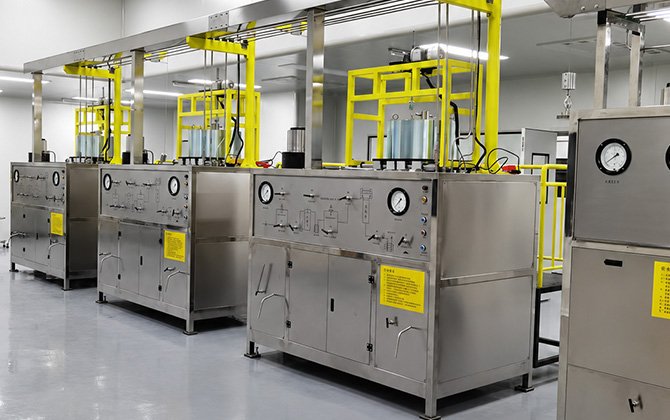
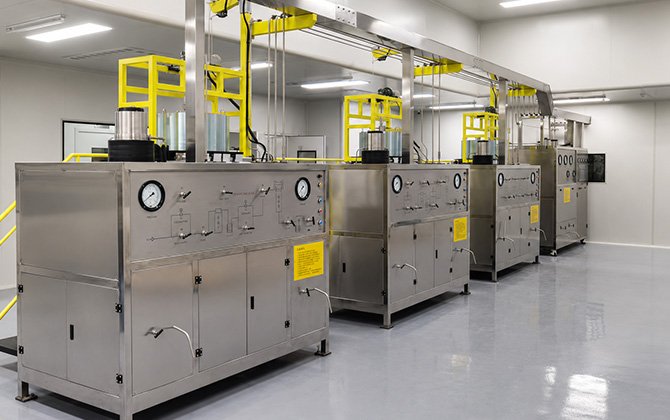
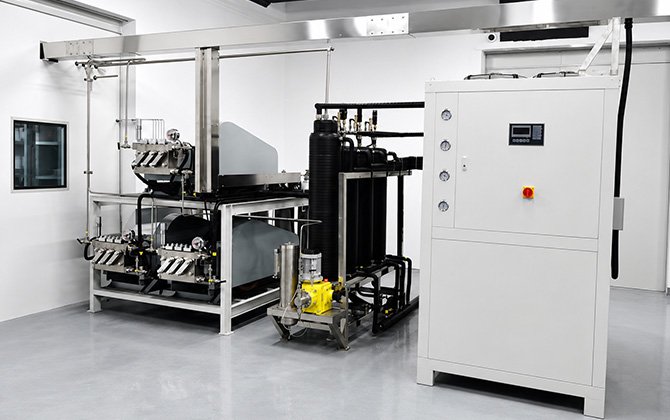
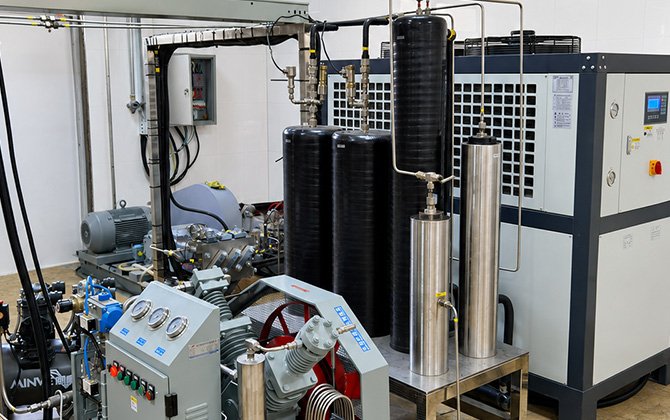
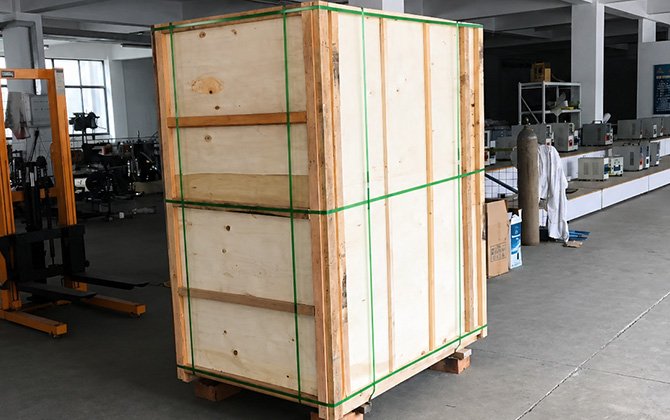
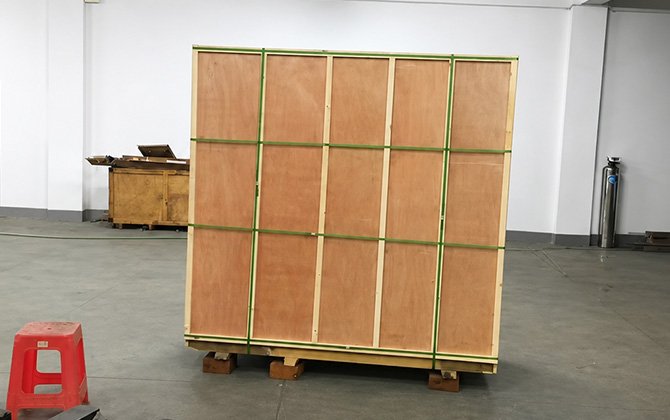
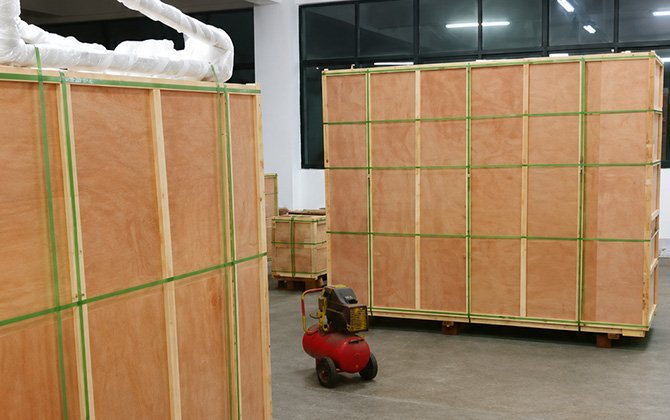
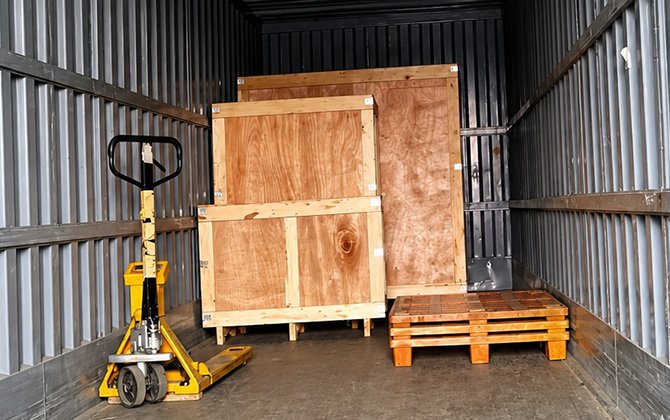
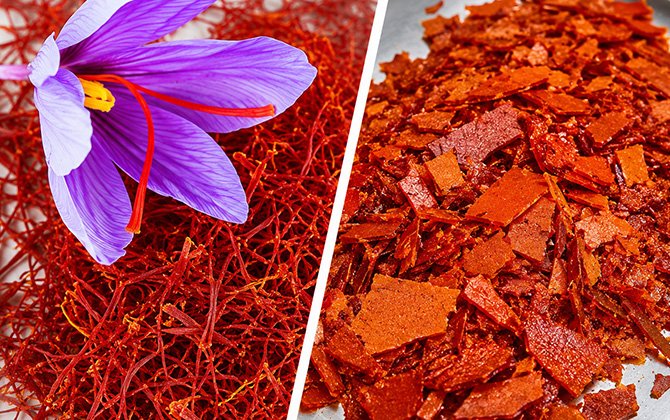
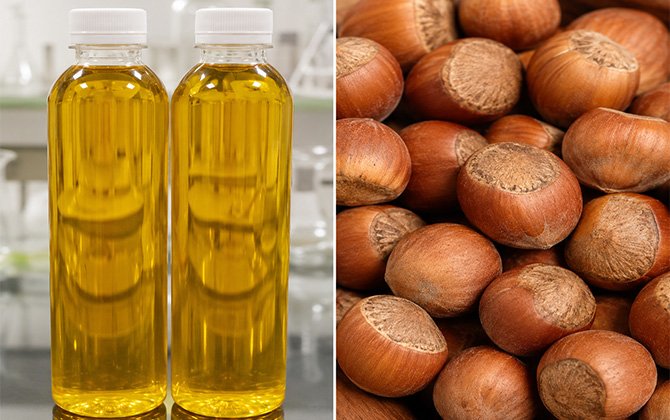
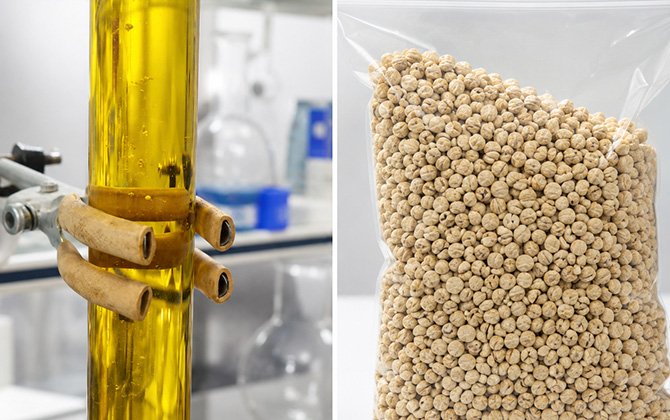
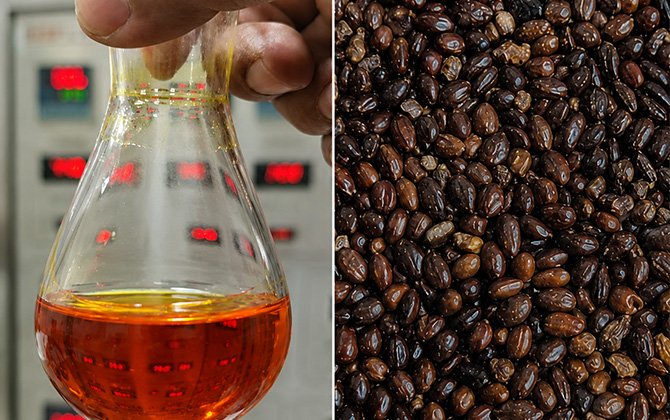
HiURTB supports Botanical Extraction Equipment projects with manufacturing support, sample testing, factory testing, equipment inspection, and delivery preparation.
Sample testing is used for botanical material and process evaluation before equipment selection. Factory testing is used to check the completed CO2 extraction system before shipment according to the confirmed configuration.
Before shipment, the CO2 extraction system can be checked for pipeline connection, valve operation, pressure control, temperature control, PLC control, separator layout, collection parts, equipment appearance, packing, and delivery preparation.
Our CO2 Extraction and Downstream Post-Processing Options for Botanical Projects
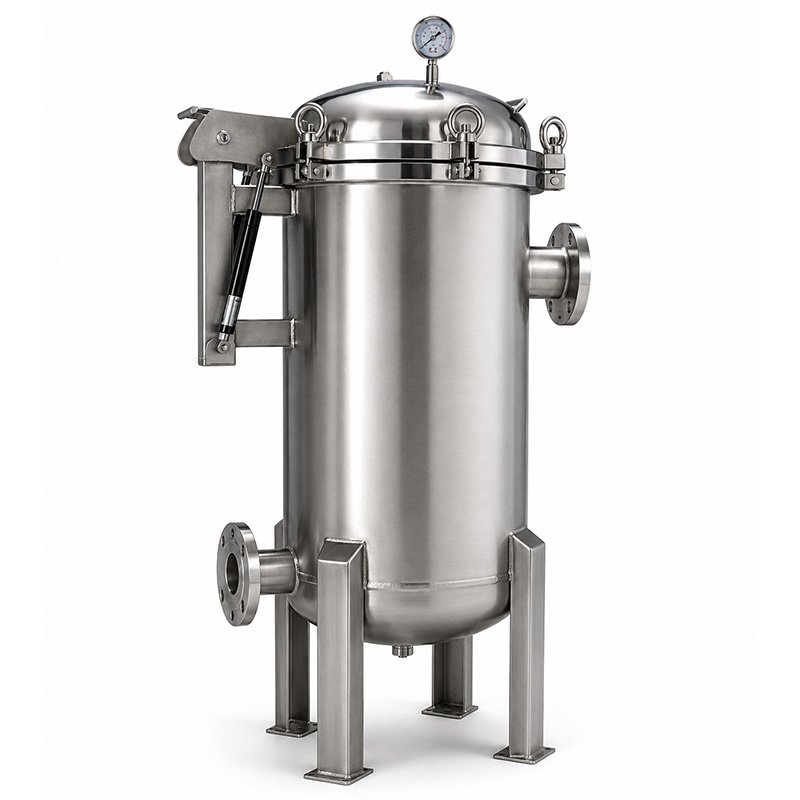
For removing waxes, fine particles, plant residues, or impurities after crude botanical extraction. Vacuum filtration, Nutsche filter, or other filtration equipment can be reviewed according to extract viscosity and process requirements.
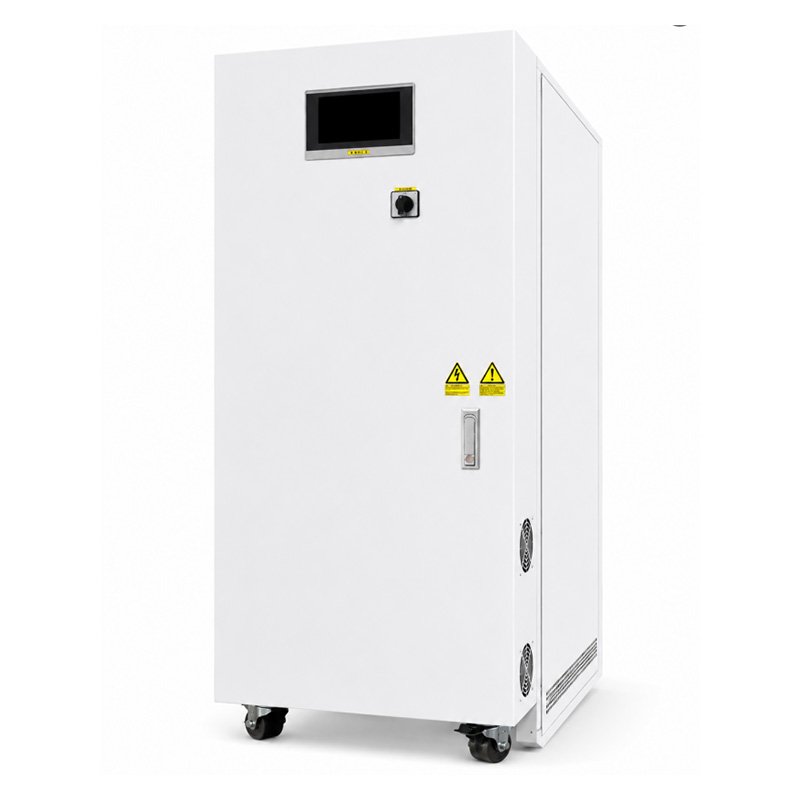
For low-temperature control, winterization, cooling, condensation, or process temperature support after CO2 extraction. Chiller configuration should be reviewed according to target temperature, material volume, and downstream process needs.
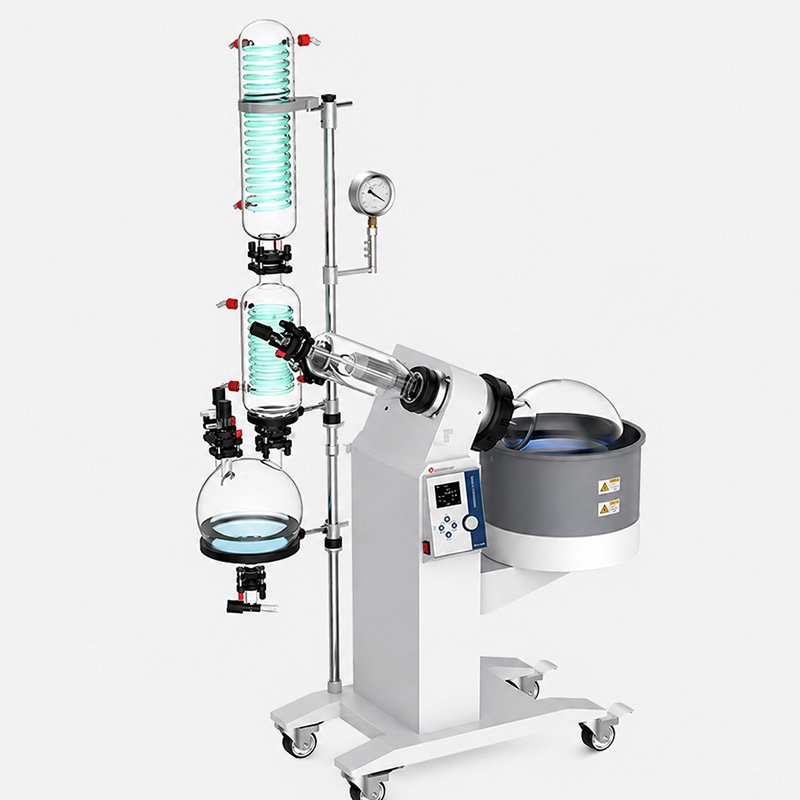
For projects involving solvent-based downstream processing after CO2 extraction, such as winterization, washing, de-waxing, or concentration. Rotary evaporator or solvent recovery equipment can help recover solvent and concentrate botanical crude extract.
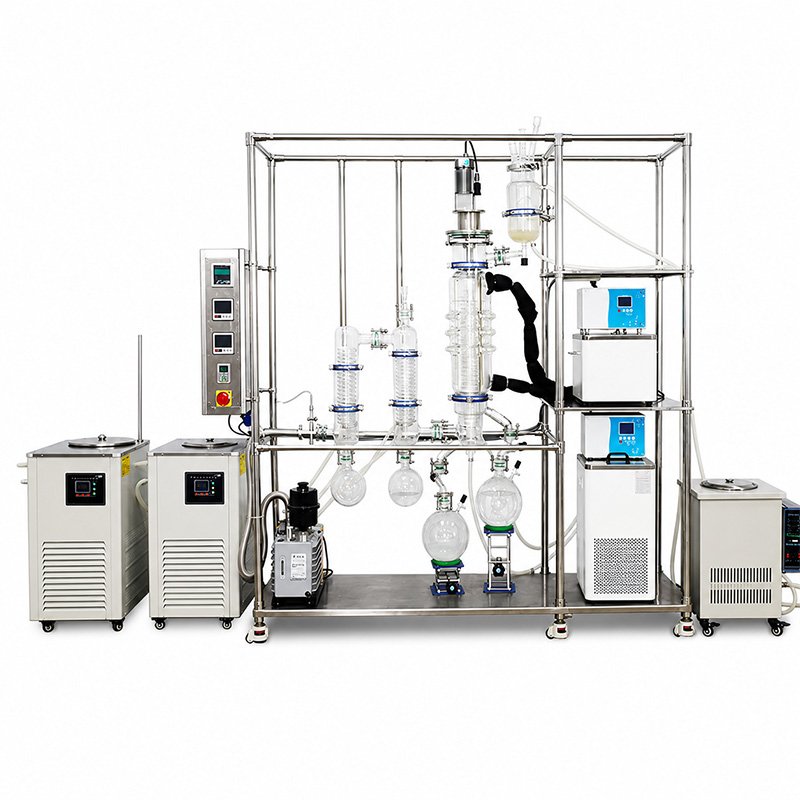
For further refining selected botanical oils, aroma fractions, or plant active ingredient intermediates. Molecular distillation can be considered when crude extract requires further separation, concentration, or quality improvement.
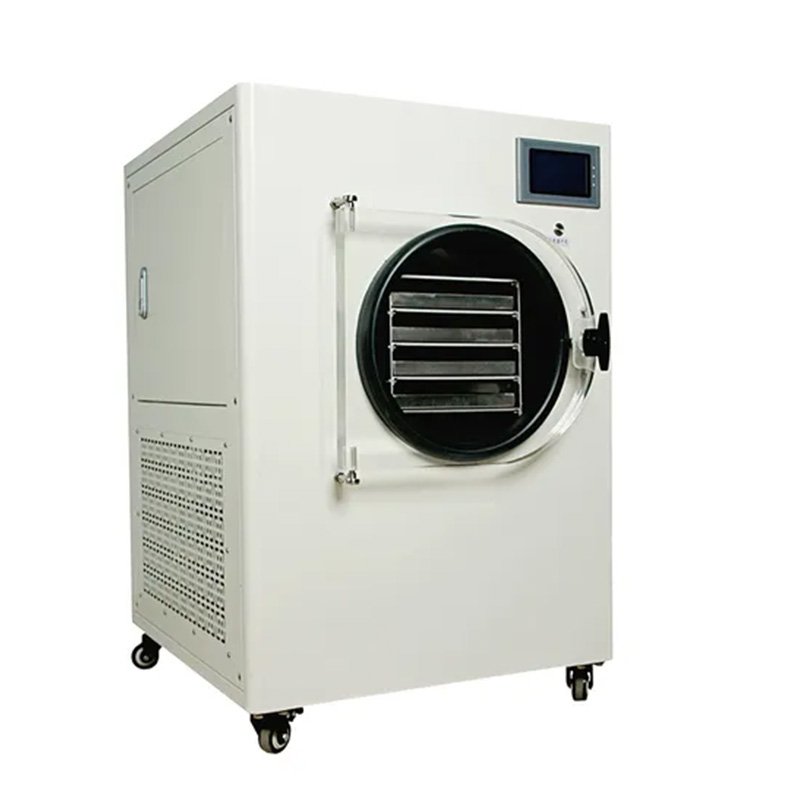
For materials or extracts requiring moisture control, solvent removal, or final drying support. Vacuum drying oven or other drying equipment can be reviewed according to extract form and final product requirement.
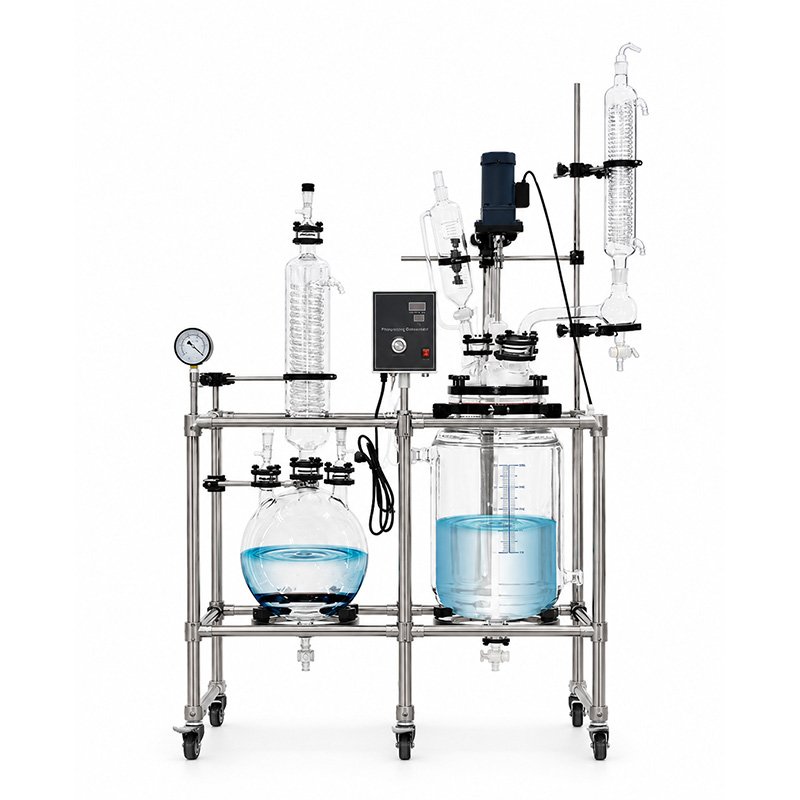
For selected plant active ingredient projects where crystallization may be required after extraction, concentration, distillation, or purification. This is not required for all botanical extracts and should be reviewed according to the target compound and final purity requirement.
HiURTB Botanical Extraction Equipment
- Botanical CO2 Extraction Selection Matrix
- Botanical Extraction Equipment Configuration Parameters
- Sample Testing Items and Evaluation Scope
- Project Information and Sample Testing Form
| Raw Material / Target Direction | Target Extract | CO2 Suitability | Recommended Testing | Possible Post-Processing |
| Oil-rich seeds, peels, fruits, or plant materials | Botanical oils / oil-like crude extract | Usually suitable when oil content is practical | Oil yield, extract color, viscosity, crude oil condition | Filtration, polishing, deodorization, or further refining |
| Flowers, herbs, spices, peels, or woods | Natural aromas / aroma compounds / terpenes | Often suitable for aroma-sensitive and terpene-rich materials | Aroma profile, color, yield, separator setting, fraction collection | Filtration, fraction collection, formulation |
| Spices, resins, and selected botanical materials | Oleoresins / resinous extracts / spice extracts | Often suitable when target compounds are oil-soluble or resinous | Resin content, viscosity, collection condition, cleaning difficulty | Filtration, temperature-assisted collection, distillation, formulation |
| Selected herbal materials | Lipophilic or non-polar plant active ingredient intermediates | Depends on target compounds and polarity | Target compound review, crude extract condition, preliminary yield | Filtration, de-waxing, distillation, purification, drying |
| Nutraceutical or cosmetic ingredient projects | Natural ingredient intermediates / cosmetic oil-based ingredients | Suitable only for selected oil-based, lipophilic, or aroma-related targets | Extract form, residue, color, odor, final application direction | Filtration, distillation, drying, formulation |
| High-polarity botanical targets | Polysaccharides, proteins, water-soluble compounds, highly polar compounds | Usually not the first choice for CO2 extraction | Process review before testing | Other extraction methods may be more practical |
| Configuration Item | Why It Matters |
| Extraction Vessel Volume | Affects batch loading, daily processing capacity, and equipment investment. It should be selected according to raw material bulk density, loading ratio, extraction time, and working hours. |
| Number of Extraction Vessels | Affects batch efficiency, production rhythm, loading/unloading time, and continuous operation planning. Multi-vessel systems may improve production flexibility. |
| Separator Design | Affects extract separation, fraction collection, oil recovery, aroma collection, and resinous extract handling. Different botanical extracts may require different separator settings. |
| CO2 Pump Flow Rate | Affects extraction speed, CO2 circulation, scale-up stability, and production efficiency. It should match vessel volume and material bed condition. |
| Temperature Control Range | Important for aroma-sensitive, oil-rich, resinous, or terpene-rich materials. Temperature control can affect extract quality, viscosity, and collection behavior. |
| Pressure Control Logic | Determines extraction selectivity, process control, and operating stability. Different target compounds may require different pressure ranges. |
| Extract Collection Method | Affects oil recovery, residue inside pipelines, cleaning workload, and practical operation. Resinous or viscous extracts need special attention. |
| CO2 Recovery System | Affects operating cost, CO2 consumption, production continuity, and long-term equipment economy. |
| Cleaning Convenience | Important for oily, waxy, resinous, or paste-like botanical extracts. Poor cleaning design may increase downtime and maintenance pressure. |
| Downstream Connection | If the crude extract requires filtration, de-waxing, distillation, drying, crystallization, or formulation, the equipment layout should be reviewed from the beginning. |
| Testing Item | Purpose |
| CO2 Extraction Suitability | Evaluate whether the botanical material is suitable for supercritical CO2 extraction before industrial equipment selection. |
| Crude Extract Availability | Check whether a practical crude extract can be obtained from the botanical material. |
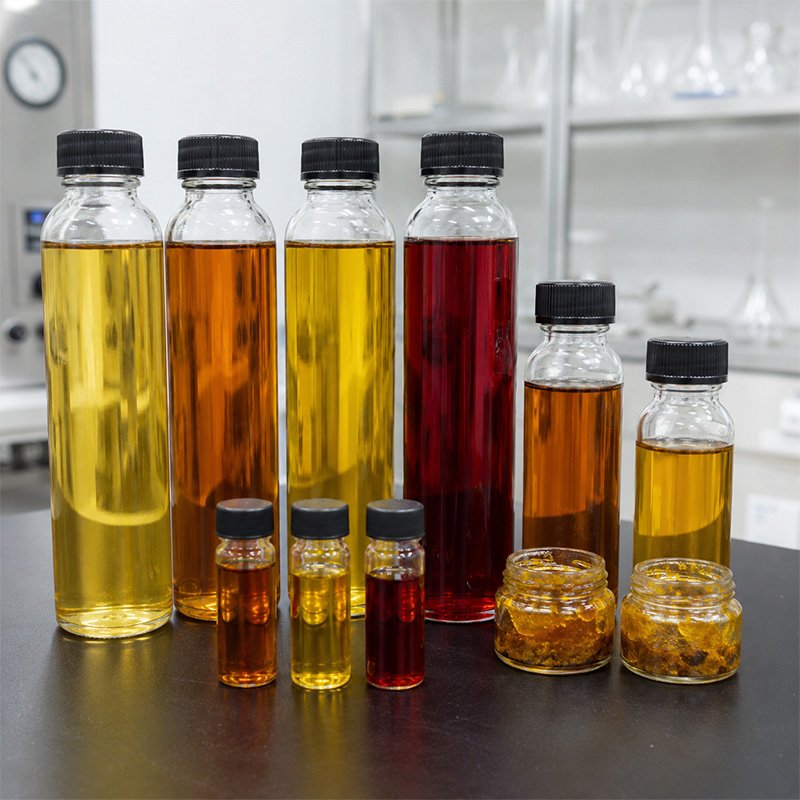
| Crude Extract Appearance | Observe whether the extract is oil-like, paste-like, resinous, waxy, or difficult to collect. |
| Preliminary Yield | Estimate extraction potential and provide a reference for equipment scale-up discussion. |
| Aroma / Color / Viscosity | Evaluate product direction, collection condition, and possible application value. |
| Post-Processing Requirement | Decide whether filtration, de-waxing, distillation, drying, crystallization, purification, or formulation may be required. |
| Scale-Up Direction | Support pilot-scale or production-scale equipment configuration review. |
What Sample Testing Cannot Directly Guarantee
| Limitation | Reason |
| Exact industrial production yield | Large equipment has different CO2 flow, material bed depth, loading method, and extraction time. |
| Identical result for every batch | Botanical materials may vary by origin, harvest season, drying condition, storage, and particle size. |
| One-step purified final ingredient | CO2 extraction may only produce crude extract or intermediate material. Further post-processing may be required. |
| One machine suitable for all plants | Different botanical materials and target compounds may require different process parameters and equipment configuration. |
| Information Needed | Details to Provide |
| Botanical Material Name | Common name and Latin name if available |
| Plant Part Used | Flower, leaf, seed, root, peel, fruit, resin, wood, spice, or other part |
| Raw Material Condition | Whole, cut, crushed, powder, granule, fresh, dried, or pre-treated |
| Moisture Condition | Dried or fresh material; moisture data if available |
| Particle Size | Powder size, crushed size, or particle range if available |
| Target Extract | Botanical oil, herbal extract, aroma extract, resin, oleoresin, terpene-rich extract, or active ingredient intermediate |
| Target Compounds | Main compounds or active ingredients you want to extract |
| Daily Processing Capacity | kg/day or tons/day of raw material |
| Working Hours Per Day | Planned production hours per day |
| Current Extraction Method | Existing method such as solvent extraction, steam distillation, water extraction, or no current method |
| Sample Testing Requirement | Whether CO2 sample testing is required before equipment selection |
| Final Application | Nutraceutical, cosmetic, fragrance, food ingredient, natural extract, research, or other use |
| Downstream Process Requirement | Filtration, de-waxing, distillation, drying, crystallization, purification, formulation, or unsure |
| Installation Country | Country and site information for voltage, compliance, and installation planning |
| Voltage and Frequency | Local power requirement, such as 220V / 380V / 415V, 50Hz or 60Hz |
| Explosion-Proof Requirement | Whether explosion-proof design is required by the site or process |
No. Not every botanical material is suitable for CO2 extraction. Suitability depends on target compounds, raw material condition, oil content, polarity, particle size, moisture condition, and final product requirements. CO2 extraction is usually more suitable for selected oil-based, lipophilic, aroma-rich, terpene-rich, resinous, or non-polar botanical compounds.
CO2 extraction is generally more suitable for botanical oils, lipophilic compounds, non-polar compounds, aroma compounds, terpenes, oleoresins, resinous compounds, spice extracts, natural aroma intermediates, and selected cosmetic oil-based ingredients. For highly polar, water-soluble, polysaccharide-rich, or protein-based targets, other extraction methods may be more practical.
Botanical Extraction Equipment usually produces crude extract, oil-like extract, resinous extract, terpene-rich fraction, or plant active ingredient intermediate. It does not always produce purified final ingredients directly. Depending on the final product requirement, the CO2 extract may still need filtration, de-waxing, distillation, crystallization, solid-liquid separation, drying, purification, or formulation after extraction.
Yes. For non-cannabis botanical materials, you can send samples for Botanical Extraction Equipment testing and process evaluation. Sample testing can help check whether CO2 extraction is suitable, whether a practical crude extract can be obtained, and whether the extract form, color, aroma, viscosity, and preliminary yield meet your project direction. About more please see our materials testing cases.
Sample testing can help confirm CO2 extraction suitability, crude extract availability, crude extract appearance, preliminary yield, color, aroma, viscosity, extraction temperature, extraction pressure and possible post-processing requirements.
It can also provide practical reference for pilot-scale or production-scale equipment configuration, including vessel volume, separator design, collection method, and downstream process discussion.
The right equipment size should not be selected only by vessel volume. It should be reviewed according to raw material bulk density, loading ratio, extraction time, CO2 flow rate, number of extraction vessels, separator design, daily processing capacity, working hours, and post-processing requirements. Sample testing can also support more practical scale-up discussion.
Some CO2 extracts can be used as crude botanical extracts, but many projects still require post-processing. Depending on the target product, the extract may need filtration, de-waxing, molecular distillation, short path distillation, crystallization, solid-liquid separation, drying, purification, or formulation. The post-processing route should be reviewed according to the final product requirement.
Botanical Extraction Equipment is a broader term for plant-based extraction projects, including flowers, leaves, roots, seeds, peels, fruits, woods, resins, spices, and other botanical materials. Herbal extraction equipment is usually more focused on herbs or medicinal plant materials. In practice, the equipment configuration still depends on target compounds and final extract requirements.
In Botanical Extraction Equipment projects, botanical oil usually refers to oil-like or lipophilic extracts obtained from oil-rich or aroma-rich plant materials. Herbal extract is a broader term and may include crude extracts, resinous extracts, active ingredient intermediates, or extracts made by other methods. CO2 is more suitable when the target compounds are oil-soluble, aromatic, or resinous.
Not always. Botanical Extraction Equipment using CO2 is suitable for selected oil-based, aroma-rich, terpene-rich, resinous, and lipophilic compounds. Ethanol extraction may be more suitable for broader full-spectrum or more polar compounds. Steam distillation is commonly used for selected volatile essential oils. The best method depends on target compounds, final extract form, cost, and post-processing needs.
Yes, the system can be configured with GMP-ready standards, such as stainless steel contact parts, practical cleaning design, PLC control, operation records, FAT support, manuals, material certificates, pressure vessel documents, and electrical drawings. However, final GMP compliance also depends on factory layout, SOPs, validation documents, production management, and local regulatory requirements.
Botanical Extraction Equipment should be maintained through regular cleaning of extraction vessels, separators, pipelines, and collection parts. Operators should also check valves, seals, gaskets, filters, pressure sensors, temperature sensors, CO2 pumps, and the CO2 recovery system. For oily, waxy, viscous, or resinous botanical extracts, cleaning after production is especially important to reduce residue and downtime.
One Botanical Extraction Equipment system can process different botanical materials in many cases, but the operating parameters, extraction time, separator settings, collection method, cleaning workload, and yield may be different. Different plants may have different oil content, polarity, particle size, moisture, aroma sensitivity, and extract viscosity, so each material should be evaluated separately before production.
What Is Botanical Extraction Equipment?
Botanical Extraction Equipment refers to equipment used to extract valuable compounds from plant-based raw materials.
These materials may include flowers, leaves, roots, seeds, fruits, peels, woods, resins, spices, herbs, cannabis, hemp, and other botanical materials.
For CO2 herb extraction projects, the main system usually includes extraction vessels, CO2 pump or booster pump, separators, pressure control, temperature control, CO2 recovery system, PLC control, safety devices, and extract collection parts. Depending on the project target, the system may be configured as lab-scale, small-scale, pilot-scale, production-scale, or customized industrial equipment.
HiURTB can provide different plant oil extraction equipment configurations, such as 5L, 10L, 20L, 87L with 29L × 3 extraction vessels, 100L with 50L × 2 extraction vessels, and customized larger systems according to material type, target extract, daily capacity, and site conditions.
Why Not Every Plant Is Suitable For CO2 Extraction
CO2 is a non-polar extraction medium, so it is generally more suitable for selected non-polar, lipophilic, oil-based, aroma-rich, terpene-rich, resinous, or waxy compounds.
For example, botanical oils, aroma compounds, terpenes, oleoresins, spice extracts, resinous extracts, and selected cosmetic oil-based ingredients may be evaluated by CO2 extraction. However, if the target compounds are mainly polysaccharides, proteins, highly polar compounds, or water-soluble ingredients, other extraction methods may be more suitable.
This is why target compound review is important before equipment selection. A plant name alone is not enough. The final extraction method should be reviewed according to the compound type, polarity, oil content, final extract form, and downstream product requirement.
How To Choose Botanical Extraction Equipment For Plant Oils, Aromas And Active Ingredient Projects
Choosing botanical oil extraction equipment is not only about selecting a machine size. For plant oils, natural aromas, resinous extracts, terpene-rich extracts, herbal extracts, and plant active ingredient intermediates, equipment selection should start from material suitability, target compounds, sample testing result, production capacity, and downstream process requirements.
Important selection factors include:
Raw Material Condition And Target Extract
Before recommending Botanical Extraction Equipment, the raw material condition and target extract should be reviewed. Flowers, leaves, seeds, roots, fruits, peels, woods, resins, and spices may behave differently during CO2 extraction. Dried material, fresh material, powder, crushed particles, granules, and resinous feedstock can also affect loading density, CO2 penetration, extraction time, cleaning difficulty, and crude extract collection.
The target extract should also be clear. Some customers want botanical oil. Some want a natural aroma. Some want resinous extract, oleoresin, terpene-rich fraction, herbal crude extract, or plant active ingredient intermediate. These different targets may require different extraction pressure, extraction temperature, separator design, collection method, and post-processing route.
For this reason, Botanical Extraction Equipment should not be selected only by vessel volume. A larger vessel does not automatically mean better extraction performance. Daily capacity also depends on material bulk density, loading ratio, extraction time, CO2 flow rate, separator design, loading and unloading time, cleaning time, and working hours per day.
Sample Testing Before Equipment Investment
For new botanical materials, sample testing is often recommended before industrial Botanical Extraction Equipment investment. Testing can help evaluate whether CO2 extraction is suitable and whether a practical crude extract can be obtained.
During sample testing, HiURTB can help review crude extract form, preliminary yield, color, aroma, viscosity, extraction pressure, extraction temperature, and possible downstream process needs. The testing result can provide a practical reference for pilot-scale or production-scale equipment configuration.
Sample testing is especially useful when the customer is developing a new plant extract, natural ingredient, cosmetic ingredient, nutraceutical ingredient intermediate, or aroma-related project. It helps reduce blind equipment investment and gives both sides better information before discussing industrial scale-up.
However, sample testing should be understood correctly. A small test can provide useful process direction, but it cannot guarantee that industrial yield will be exactly the same. Large equipment may have different CO2 flow, vessel diameter, material bed depth, loading method, extraction time, and collection structure. Raw material origin, harvest season, drying method, storage condition, and particle size can also affect the final result.
Botanical Extraction Equipment Configuration Logic
After material review and sample testing, the next step is equipment configuration.
For lab or early sample testing, 5L or 10L Botanical Extraction Equipment can be considered. These systems are suitable for process exploration, small sample testing, and early development.
For small production or practical pilot work, a 20L system can be used for selected botanical oil, aroma, resin, terpene, or herbal extract projects. It can provide more practical operating conditions than very small lab equipment.
For higher capacity or multi-vessel projects, 87L with 29L × 3 extraction vessels, 100L with 50L × 2 extraction vessels, or customized systems can be reviewed according to daily processing capacity, working hours, material loading, and target extract.
Important configuration factors include extraction vessel volume, number of extraction vessels, CO2 pump flow rate, separator quantity, separator pressure, temperature control range, pressure control logic, extract collection method, CO2 recovery, cleaning convenience, and downstream equipment connection.
For aroma-rich materials, temperature control and separator setting may be important. For resinous or oily extracts, collection structure and cleaning design should be considered carefully. For projects requiring fraction collection, separator configuration becomes more important. For industrial production, CO2 recovery, operation stability, maintenance access, and cleaning workload can affect long-term production efficiency.
Post-Processing After CO2 Extraction
In many Botanical Extraction Equipment projects, the CO2 extract is a crude extract or intermediate that may need further processing.
Depending on the final product requirement, the downstream process may include filtration, de-waxing, solvent recovery, molecular distillation, short path distillation, drying, crystallization, purification, or formulation. For some botanical oil projects, simple filtration may be enough. For resinous or waxy extracts, de-waxing or further refining may be needed. For selected plant active ingredient projects, distillation, crystallization, or purification may be required after extraction.
HiURTB can supply or integrate related post-processing equipment according to project needs, such as filtration equipment, extraction chillers, molecular distillation equipment, drying equipment, crystallization equipment, collection tanks, and other supporting systems.
This is why Botanical Extraction Equipment should be reviewed together with the final product plan. If the final target is only crude botanical extract, the configuration may be different from a project that requires refined oil, purified fraction, or active ingredient intermediate.
GMP-Ready Planning And Site Requirements
For nutraceutical, cosmetic, food ingredient, or natural ingredient projects, some customers may need GMP-ready planning. Botanical Extraction Equipment can be configured with GMP-ready project requirements in mind, such as stainless steel contact parts, practical cleaning design, PLC control, operation records, equipment manuals, FAT support, pressure vessel documents, material certificates, and electrical drawings.
Final GMP compliance also depends on factory layout, clean area design, SOPs, validation documents, quality management, operator training, production records, and local regulatory requirements. For this reason, HiURTB can support equipment-side preparation and documentation, while the final compliance system should be reviewed according to the customer’s local regulations and facility requirements.
Common Mistakes When Choosing Botanical Extraction Equipment
Selecting Equipment Only by Vessel Volume
A larger extraction vessel does not automatically mean better extraction performance. Daily capacity also depends on raw material bulk density, loading ratio, extraction time, CO2 flow rate, separator design, loading and unloading time, cleaning time, and working hours.
Skipping Sample Testing
Without testing, CO2 extraction suitability, crude extract condition, preliminary yield, aroma, color, viscosity, and post-processing needs may remain uncertain, especially for new non-cannabis botanical materials.
Not Confirming Target Compounds
Target compounds should also be confirmed before equipment selection. CO2 extraction is more suitable for selected oil-based, lipophilic, aroma-rich, terpene-rich, resinous, or non-polar compounds. It may not be the best choice for highly polar or water-soluble targets.
Ignoring Post-Processing
CO2 crude botanical extract is not always the final product. Depending on the final application, filtration, de-waxing, distillation, drying, crystallization, purification, or formulation may still be required.
Cannabis And Hemp Botanical Extraction Projects
Cannabis and hemp are also botanical materials, and HiURTB provides SFE supercritical CO2 extraction equipment for cannabis and hemp extraction projects where permitted by local laws. These projects may target crude extract, terpene fraction, full-spectrum extract, CBD or THC-related intermediates, distillate, or isolate-related processing routes.
Project review should consider the final product target, compliance requirements, post-processing route, and site conditions. For cannabis and hemp extraction details, please refer to our dedicated cannabis/hemp CO2 extraction solution page and related case article.
Who Uses Botanical Extraction Equipment
Botanical Extraction Equipment can be used by different types of companies and laboratories, including:
- Botanical extract manufacturers
- Natural ingredient companies
- Nutraceutical ingredient producers
- Cosmetic ingredient labs
- Aroma and fragrance material producers
- Plant oil producers
- R&D labs and pilot plants
- Agricultural raw material processors
- Cannabis and hemp extraction facilities are legally permitted
Some want to develop a new plant oil. Some want to verify whether CO2 extraction is suitable for a specific herb. Some want to scale from sample testing to pilot production. Some want to build an industrial extraction and post-processing line. The equipment configuration should follow the project target instead of using one fixed machine for all materials.
Conclusion
The right Botanical Extraction Equipment should be selected according to botanical material, target compounds, sample testing results, production capacity, and post-processing requirements.
CO2 extraction is suitable for selected botanical materials, especially oil-based, aroma-rich, terpene-rich, resinous, lipophilic, or non-polar compounds.
HiURTB can help review your material information, testing needs, scale-up direction, and downstream process requirements before recommending suitable botanical extraction equipment with a price.

