
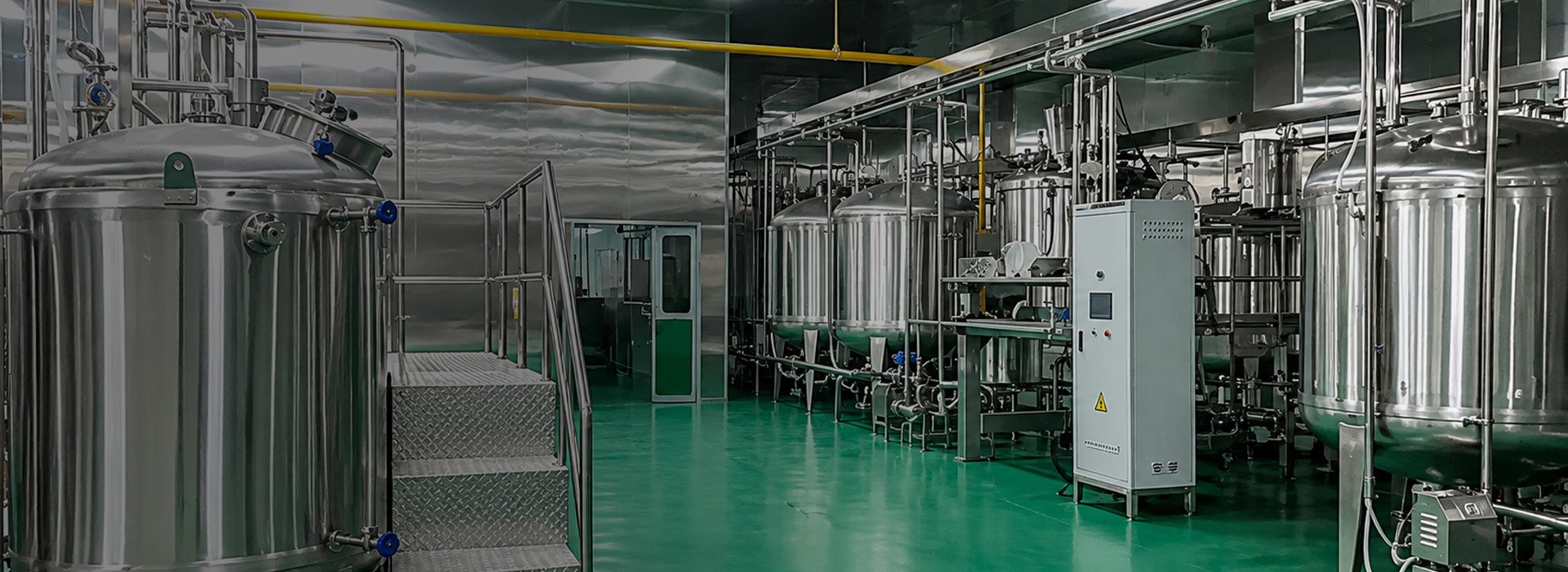
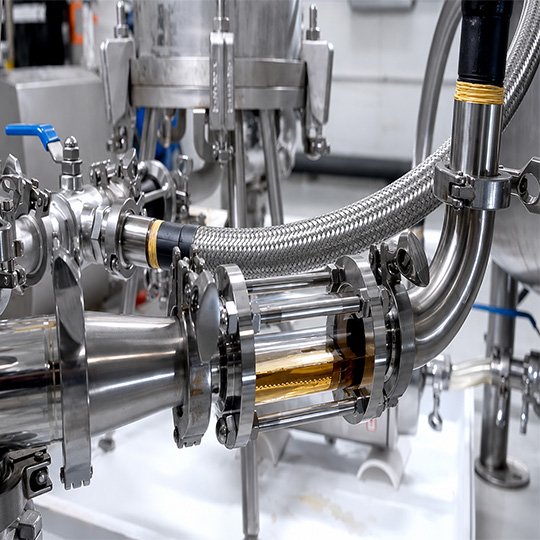
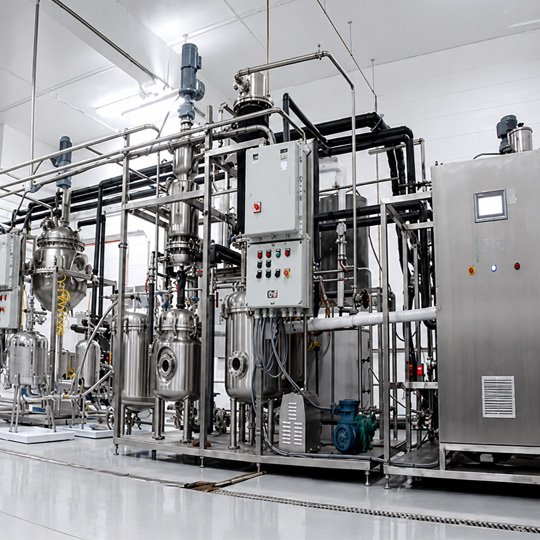
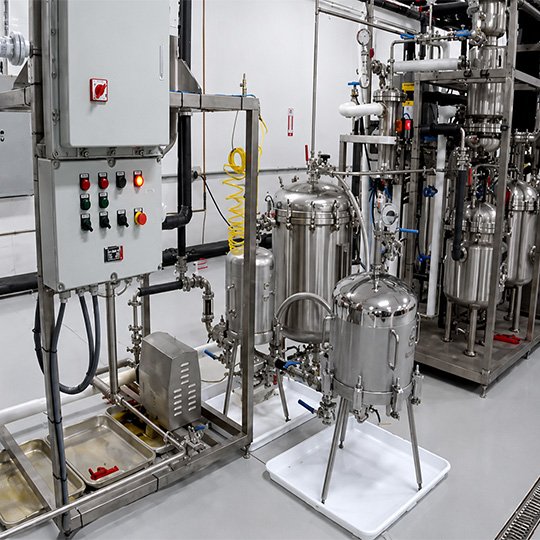
Why HiURTB Cannabis Winterization Equipment
- Project-based winterization equipment configuration
- Suitable for CO2 crude oil post-processing
- Tank, chiller, filtration and recovery matching
- Support before distillation and crystallization
Your Cannabis Winterization Equipment Manufacturer
HiURTB provides project-based cannabis oil winterization equipment for CO2 crude oil dewaxing and post-processing, with optional support for hemp, CBD oil winterization and selected botanical extracts. Besides tank volume, the real performance of a practical winterization line depends on whether the tank, ethanol volume, cooling capacity, filtration method, solvent recovery capacity and downstream process are properly matched.
Before recommending a configuration, we help review your crude oil output, ethanol-to-oil ratio, batch volume, holding time, target temperature, filtration requirement and final product target.
This helps avoid common post-processing problems such as undersized cooling capacity, slow filtration, insufficient solvent recovery or poor batch rotation.
Whether your project needs dewaxed oil, distillate-related processing or isolate-related preparation, HiURTB can help configure winterization equipment together with filtration, ethanol recovery, decarboxylation, distillation or crystallization requirements.
Typical Cannabis Winterization Equipment
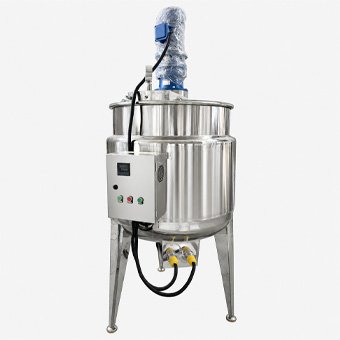
- For crude oil and ethanol dissolving before low-temperature chilling.
- Stainless steel mixing tanks for industrial winterization.
- Glass reactors for lab-scale or small-batch.
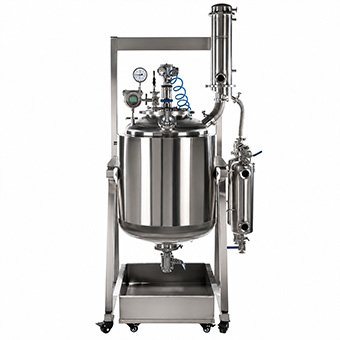
- Jacketed winterization tank for low-temperature holding and wax precipitation after crude oil and ethanol mixing.
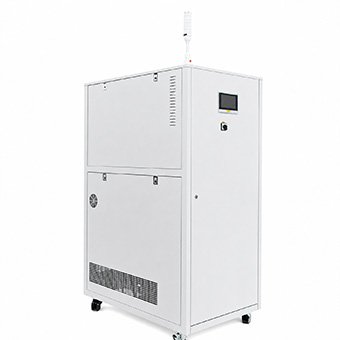
- -20°C to -40°C, -40°C to -80°C
- Provides cooling support for jacketed winterization tanks.
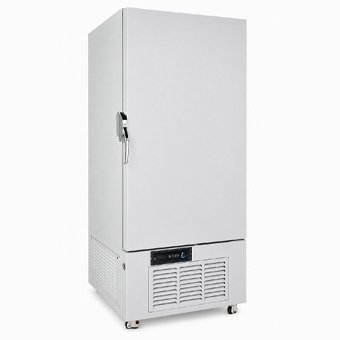
- -65°C to -150°C
- Used for small-batch or very low-temperature winterization support.
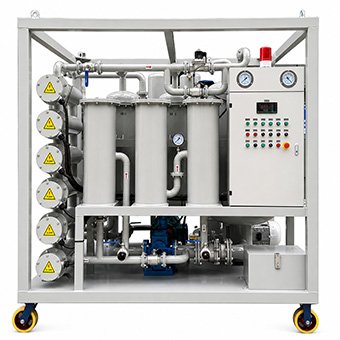
- Removes precipitated waxes, lipids and solids after chilling.
- Available filtration options may include filter housing systems, vacuum filtration units, and other matched filtration equipment, depending on batch size and process requirements.
Features of HiURTB Cannabis Winterization Equipment

Your tank and cooling system can be matched by liquid volume and target temperature.

Helps your ethanol-oil solution stay under suitable winterization conditions.

Supports smoother transfer from chilling to wax filtration.

Helps improve filtration stability for wax and lipid removal.

Ethanol recovery can be matched with your winterization output.

Suitable for crude oil and ethanol-contact processing sections.

Helps reduce residue, wax buildup and cleaning workload.

Supports preparation before distillation, crystallization or formulation.
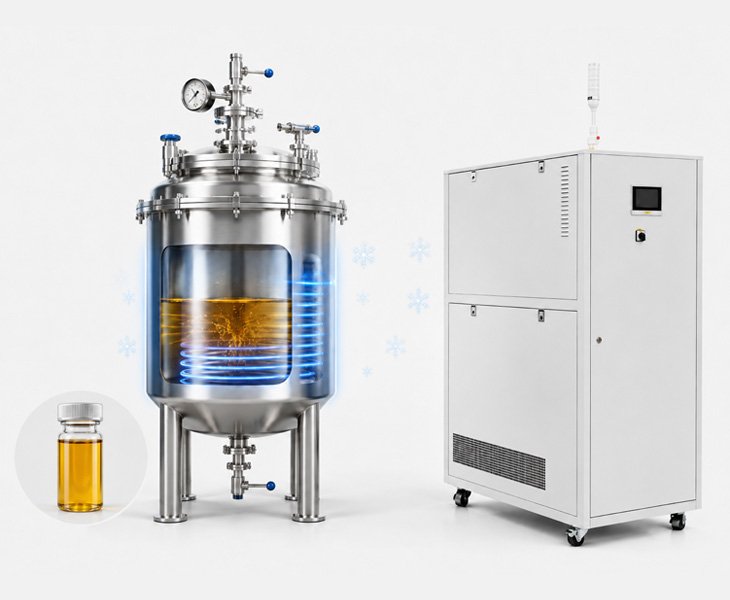
Better Cooling, Cleaner Oil
HiURTB cannabis winterization equipment can be configured with matched jacketed tanks and low-temperature cooling support according to your liquid volume, target temperature and batch schedule. This helps the ethanol-oil solution reach and hold suitable winterization conditions more steadily, supporting more uniform wax, fat and lipid precipitation before filtration. For production-scale projects, a matched tank and cooling design can also help reduce unnecessary cooling waste and fit more smoothly into your existing post-processing workflow.
Less Wax, Smoother Filtration
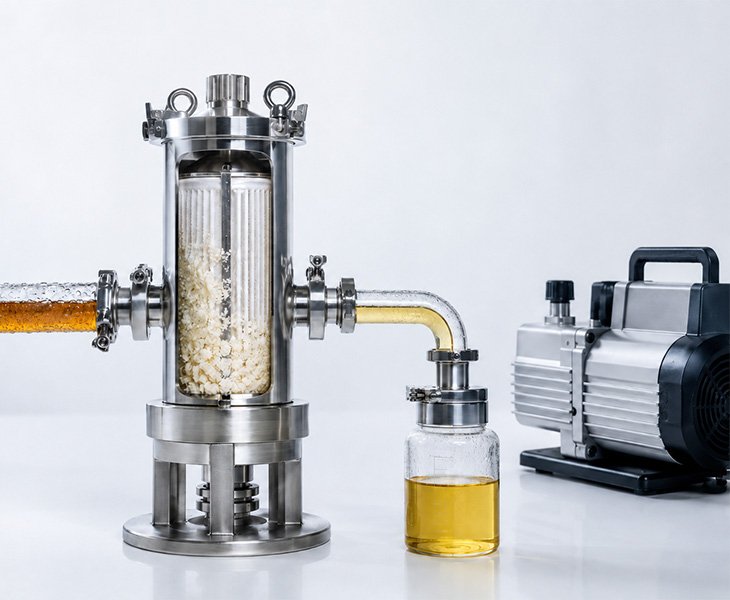
HiURTB practical cannabis winterization equipment can support stable low-temperature holding before filtration, helping waxes, fats and lipids separate more consistently from the ethanol-oil solution. When the chilled material is transferred to a suitable filtration section with vacuum support, it can help reduce slow filtration, temperature fluctuation and wax redissolving risk. This gives your downstream process cleaner feed material before solvent recovery, decarboxylation, distillation or crystallization.
HiURTB Project-Based Post-Processing Support
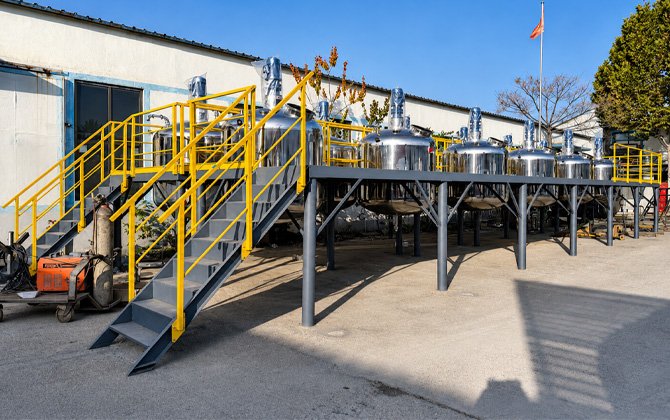
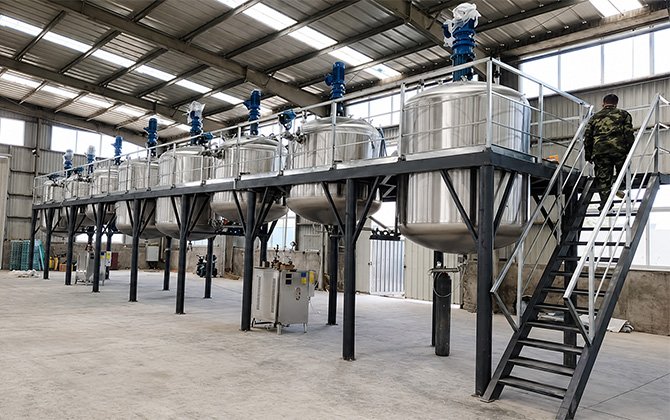
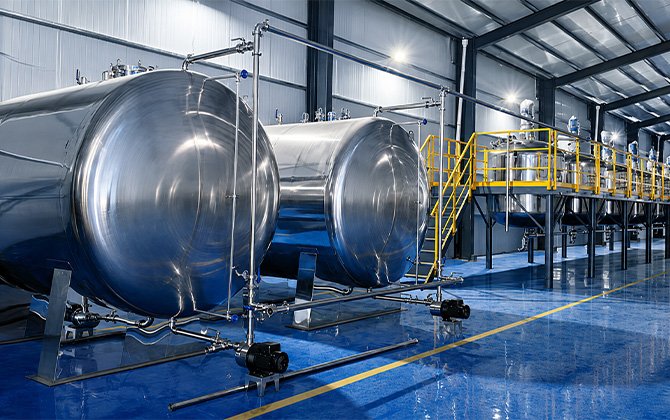
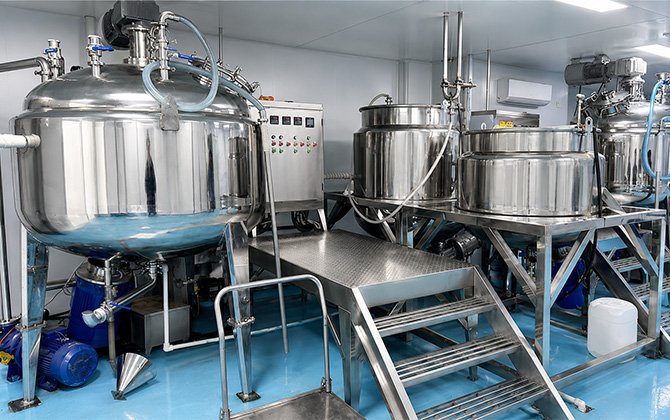
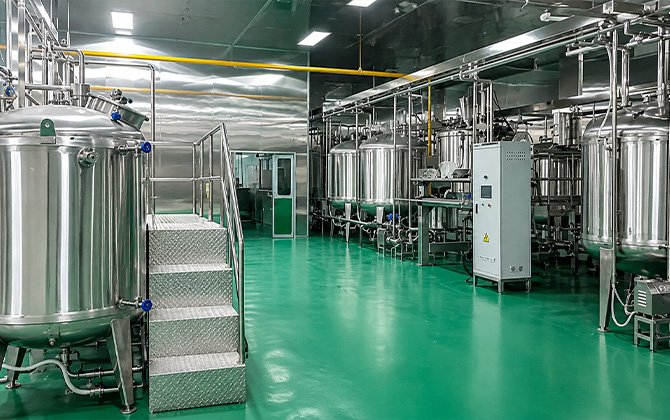
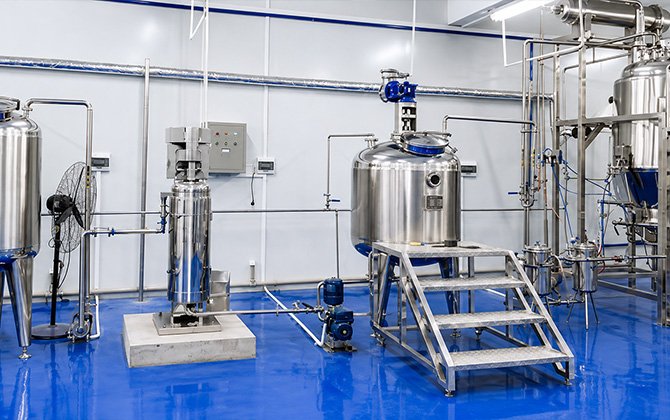
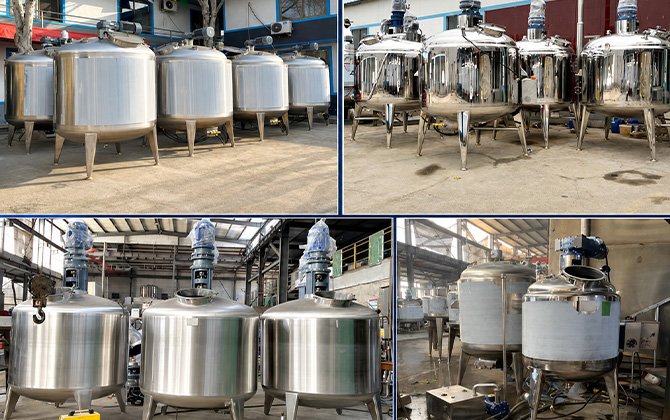
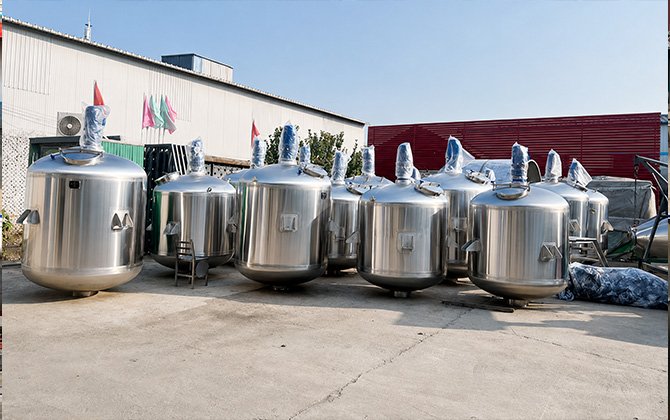
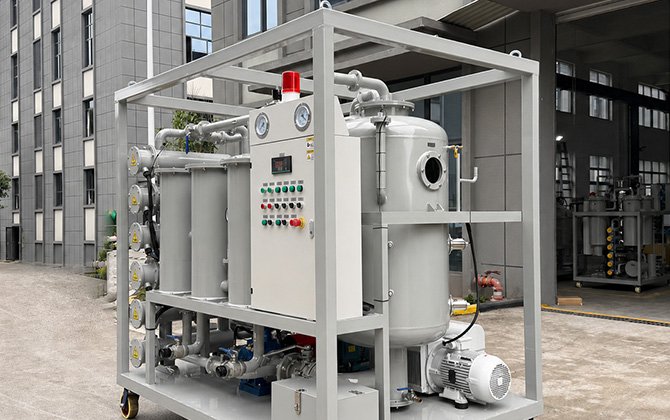
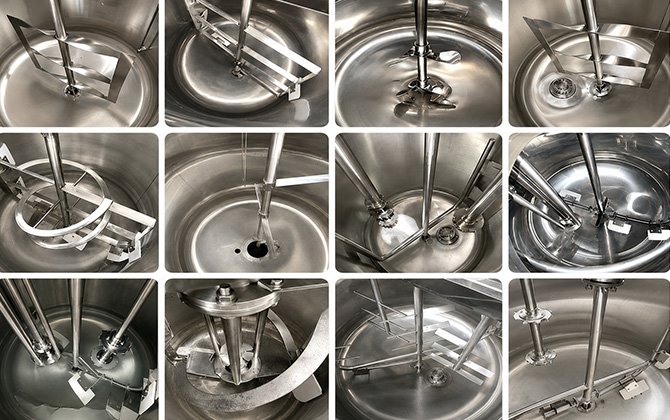
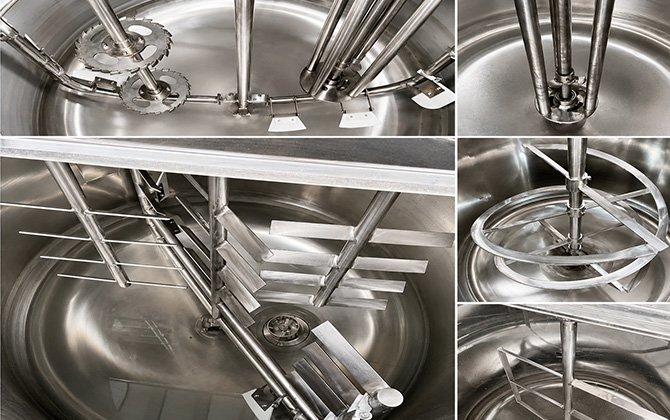
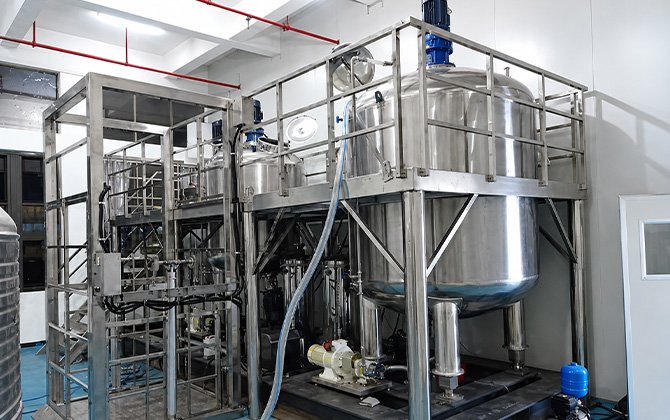
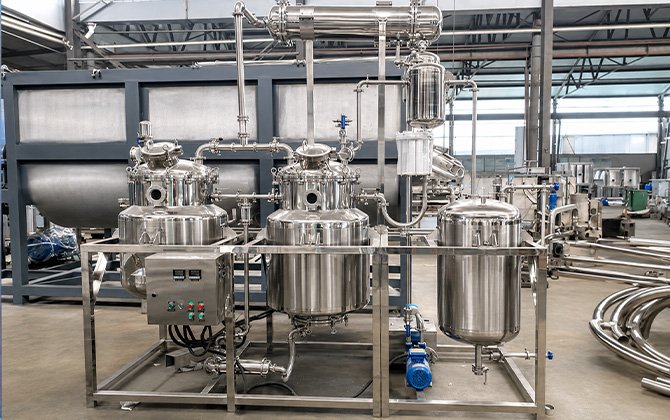
Before confirm the final configuration of cannabis winterization equipment, HiURTB helps check whether your tank volume, ethanol volume, cooling capacity, filtration method, solvent recovery capacity and downstream process can work together smoothly.
You can also connect your cannabis CO2 winterization setup with your wider crude oil post-processing plan, including filtration, ethanol recovery, decarboxylation, distillation and crystallization.
From equipment matching to FAT, installation guidance, operator training, after-sales support and spare parts, HiURTB helps you build a more practical post-processing workflow instead of buying machines one by one.
Optional Configuration & Documentation Support
- Explosion-proof configuration for ethanol-based processing
- PLC control option for easier operation and process management
- Practical cleaning and drainage design support
- Operation manuals and equipment drawings
- Material certificate support
- Electrical drawing support
Related Post-Processing Solutions
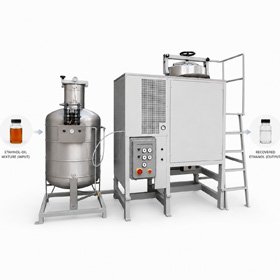
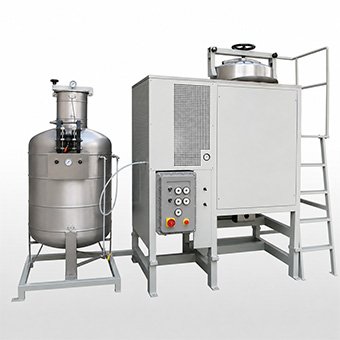
For ethanol recovery after winterization filtration.
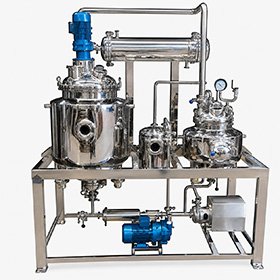
For CO2 crude or post-winterization oil before distillation.
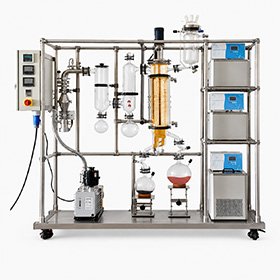
For botanical and cannabinoid distillate-related processing.
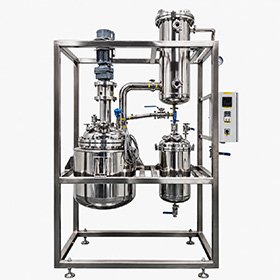
Stainless steel crystallization reactor system for CBD isolate, botanical crystal, or crystal-related post-processing projects.
More About Our Cannabis Winterization Equipment
- Information for Cannabis Winterization Equipment Configuration
| Information | Customer Input | Why It Matters |
| Crude Oil Source | CO2 extract / ethanol extract / other | CO2, ethanol or other extract may affect equipment matching |
| Daily Crude Oil Output | kg/day or L/day | Determines the required winterization processing capacity. |
| Ethanol-to-Oil Ratio | 1:3 / 1:5 / 1:10 / other | Affects working liquid volume and tank size. |
| Batch Volume | crude oil amount per batch | Decides each tank’s practical processing load. |
| Holding Time | hours per batch | Affects tank quantity and production schedule. |
| Target Temperature | required winterization temperature | Determines chiller or freezer configuration. |
| Filtration Method | vacuum filter / Nutsche filter / other | Affects filtration speed and wax removal efficiency. |
| Solvent Recovery Capacity | rotovap / recovery system / other | Prevents ethanol recovery bottleneck |
| Downstream Product Target | winterized crude oil / distillate / isolate | Decides whether the oil goes to distillation or crystallization. |
- Cannabis winterization is a post-processing step used to remove waxes, fats, lipids and some solid impurities from crude oil.
- In many CO2 crude oil projects, the oil is mixed with ethanol, chilled at low temperature, held for wax precipitation, filtered and then sent to solvent recovery.
- Cannabis Winterization Equipment may include mixing, chilling, filtration, vacuum support and ethanol recovery sections.
- Winterized oil is crude oil that has gone through low-temperature dewaxing and filtration to reduce waxes, fats, lipids and solid impurities.
- With suitable cannabis winterization equipment, the crude oil is usually mixed with ethanol, chilled, filtered and then sent to solvent recovery.
- Winterized cleaner crude oil is cleaner than unfiltered crude oil and can be prepared for decarboxylation, distillation, crystallization or formulation.
- The winterization of oil process usually includes crude oil dissolving, ethanol mixing, low-temperature chilling, holding, wax precipitation, filtration and solvent recovery.
- Cannabis winterization equipment is used to support these steps in cannabis, hemp and selected botanical extract post-processing.
- A practical setup should match liquid volume, target temperature, holding time, filtration method and ethanol recovery capacity.
- Winterized oil and distillate are not the same product.
- Winterized oil is crude oil after dewaxing and filtration, while distillate is usually produced after further refining steps such as decarboxylation and distillation.
- Cannabis winterization equipment helps prepare cleaner feed material before distillation, but it does not replace the distillation process.
- Yes, cannabis winterization equipment is commonly used when the crude oil contains waxes, fats or lipids that may affect clarity, filtration, distillation or final product stability.
- However, whether winterization is required depends on raw material, extraction conditions, crude oil quality and final product target.
- For distillate or isolate-related projects, winterization is commonly necessary as an important post-processing step.
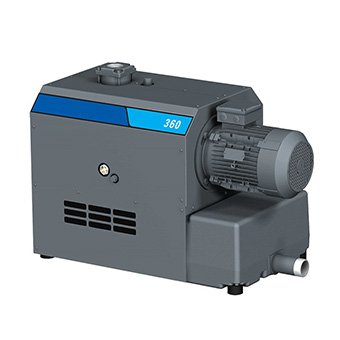
- Cannabis winterization equipment may include a mixing tank or glass reactor for crude oil and ethanol dissolving, a winterization tank for low-temperature holding, a chiller or ultra-low-temperature freezer for cooling, filtration equipment for wax removal, a vacuum pump for filtration support, and solvent recovery equipment for ethanol removal.
- The final configuration should match batch volume, ethanol ratio, temperature requirement and downstream process.
Cannabis winterization equipment tank size should not be selected by crude oil amount alone. It should be estimated according to crude oil volume per batch, ethanol-to-oil ratio, total working liquid volume, effective working volume, holding time and batch rotation schedule. A tank may be large enough for one batch, but not enough for daily production if the holding time is long.
The ethanol-to-oil ratio for cannabis winterization equipment depends on crude oil viscosity, wax content, process target, filtration method and downstream product requirement. Some projects may use lower solvent ratios, while others may require higher ethanol volume for better dissolving and wax precipitation. HiURTB does not suggest using one fixed ratio for every project. The ratio should be set according to actual crude oil condition.
- The required temperature for cannabis winterization equipment depends on crude oil type, wax content, ethanol ratio, holding time, filtration target, and how fast the ethanol-oil solution needs to be cooled down to the target temperature.
- Lower temperatures can help waxes, fats, and lipids precipitate, but temperature alone is not enough.
- Cooling capacity, liquid volume, cooling time, and temperature control during filtration are critical too.
- Filtration is an important part of cannabis winterization equipment because it removes precipitated waxes, fats, lipids, and solid impurities after low-temperature holding.
- If the filter area, filter media, vacuum support or operating temperature is not suitable, filtration can become the slowest step.
- If the chilled solution warms up during filtration, some precipitated waxes may partially redissolve and reduce the dewaxing effect.
How to Configure Cannabis Winterization Equipment Without Post-Processing Bottlenecks
Winterization is not only a low-temperature dewaxing step.
For crude oil post-processing, it is a complete process that must match tank volume, ethanol ratio, cooling capacity, holding time, filtration speed, solvent recovery capacity and the downstream cannabis or botanical target.
Many projects do not run into problems because one machine is poor.
They run into problems because each machine is selected separately, without checking whether the full post-processing line can work smoothly together.
A winterization tank may have enough nominal volume, but the holding time may require more tanks for batch rotation.
A chiller may reach the target temperature, but may not cool the actual ethanol-oil volume fast enough.
A filter may work for a small batch, but may become too slow for daily production.
A solvent recycler may work in the lab, but may not recover ethanol fast enough for production-scale winterization.
For this reason, winterization equipment should be configured as a process system, not as a single tank purchase.
1. Do Not Select Cannabis Winterization Equipment by Tank Volume or Ethanol Ratio Alone
A common mistake is not simply choosing a tank that is too small. Many buyers already understand that ethanol volume must be included when calculating jacketed tank size. However, the real problem is that tank selection is sometimes based only on crude oil amount and ethanol-to-oil ratio, without considering holding time, effective working volume, batch rotation and the speed of the next processing steps.
For example, a project may calculate the required working liquid volume based on a 1:5 ethanol ratio and choose a tank that seems large enough for one batch.
But if the winterization holding time is long, one tank may remain occupied while the next crude oil batch is waiting.
In that case, the tank volume may be technically enough for one batch, but the system cannot support the required daily processing schedule.
The required tank configuration should be configured according to crude oil amount per batch, ethanol-to-oil ratio, practical working volume, mixing space, holding time, batch turnover and daily production target.
The nominal tank volume cannot be treated as 100% usable volume. Space should be kept for mixing, liquid movement, safe operation and practical process control.
A better question is not only “What size tank can hold one batch?” It should be “How many batches need to be held, filtered and recovered within one working day?”
2. Ethanol Ratio Changes the Real Processing Volume
The ethanol-to-oil ratio has a direct impact on the whole cannabis or botanical winterization system. A 1:3 ratio, 1:5 ratio and 1:10 ratio will create very different working volumes, even when the crude oil output is the same.
This affects more than the winterization process tank. It also affects cooling load, filtration volume, ethanol recovery load, solvent storage and production scheduling. When the ethanol ratio increases, the winterization system must handle more liquid per batch. If this is not considered during hemp winterization equipment selection, the tank may become too small, the filter may become too slow, or solvent recovery may become the bottleneck.
This is why HiURTB needs ethanol volume together with crude oil output before recommending cannabis winterization equipment. The purpose is not only to fit one batch into one tank, but also to make sure the full post-processing workflow can support the required daily capacity.
3. Holding Time and Batch Rotation Affect Tank Quantity
Winterization usually requires low-temperature holding after crude oil is mixed with ethanol. This holding period allows waxes, fats and lipids to precipitate from the solution. The required holding time may vary depending on crude oil condition, wax content, ethanol ratio, target temperature and process target.
If holding time is long, tank quantity becomes very important. A single winterization holding tank may not be enough, even if the tank volume is large enough for one batch. When one batch is still being chilled or held, the next batch may need another tank. Otherwise, crude oil production, filtration or solvent recovery may need to wait.
This is especially important when the upstream CO2 extraction system produces crude oil every day. If the winterization section cannot rotate batches smoothly, crude oil may accumulate before post-processing, and the extraction system may not be fully utilized.
For cannabis, essential oil or botanical production projects, cannabis winterization equipment should be checked by batch schedule, not by tank volume alone.
4. Cooling Capacity Is More Important Than Temperature Alone
Many customers first ask what temperature the cannabis winterization equipment can reach. Temperature is important, but it is not the only selection factor.
For winterization, the cooling system should be selected according to target temperature, liquid volume, cooling time, tank structure and holding requirement. A chiller may reach a low temperature under certain conditions, but it still needs enough cooling capacity to bring the actual ethanol-oil solution down to the required temperature within a practical time.
Cooling a small lab batch is very different from cooling hundreds of liters of ethanol-oil solution in a production tank. If the chiller is undersized, the process may take too long, the batch schedule may be delayed, and the winterization support tank may not support the planned daily output.
A suitable winterization configuration should match the tank and cooling system together. The question should not only be “How low can the chiller go?” It should also be “Can the cooling system handle this liquid volume within the required process time?”
5. Filtration Can Become the Slowest Step
After low-temperature chilling and holding, waxes, fats, lipids and other solids may precipitate from the crude oil solution. These solids need to be removed by filtration before solvent recovery and further refining.
In many post-processing projects, filtration becomes the slowest step. This usually happens when the filter area is too small, the vacuum support is not matched, the filter media is not suitable, or the wax load is higher than expected. If filtration is too slow, the winterization holding tank may finish one batch, but the material cannot move forward quickly enough.
This creates a bottleneck. The extraction system may continue producing crude oil, the jacketed tank may continue chilling batches, but the whole line is limited by filtration speed.
For this reason, wax filtration should be matched together with batch volume, wax content, operating temperature, filter type, filter area and vacuum pump support. Filtration equipment is not just an accessory. It is one of the key parts of the cannabis winterization equipment and process.
6. Temperature Control During Filtration Helps Prevent Wax Redissolving
Winterization does not end when the solution reaches the target temperature. Temperature control during filtration and transfer is also important.
If the chilled ethanol-oil solution becomes warmer during transfer or filtration, some precipitated waxes, fats or lipids may partially redissolve into the solution. This can reduce the dewaxing effect and may affect the clarity and stability of the winterized extracts. In some cases, temperature fluctuation can also make filtration less predictable, because the material condition changes during operation.
This is why the cannabis winterization equipment and process should not only consider the tank temperature. The filtration environment, transfer method, processing time, filter setup and operating workflow should also be considered. For larger batches, keeping the material condition stable during filtration can be just as important as reaching the target temperature in the winterization process tank.
7. Solvent Recovery Must Match Winterization Output
After low temperature filtration, ethanol needs to be removed and recovered before the oil enters further processing. If solvent recovery capacity is too small, ethanol recovery can slow down the entire post-processing line.
This is especially important when the ethanol ratio is high or when the daily crude oil output is large. Even if the winterization tank and filtration system are properly sized, a small lab-scale recovery unit or undersized solvent recovery kit may not keep up with production.
The solvent recovery section should be matched according to ethanol volume per batch, daily processing target, working hours, recovery speed and downstream process requirement.
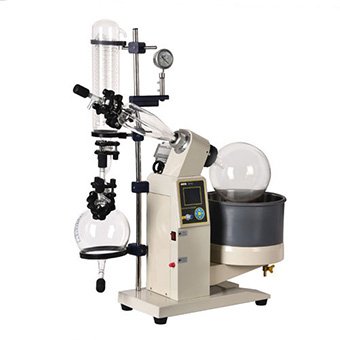
For lab or small-batch projects, a rotary evaporator may be suitable.
For larger production needs, a higher-capacity solvent recovery machine may be required.
The key point is simple: cannabis winterization equipment does not end after filtration. The ethanol-rich solution must still be processed. If solvent recovery is not matched, the whole line may wait for ethanol removal.
8. Material Transfer and Pipeline Design Should Not Be Ignored
Low-temperature winterized solution may have different flow behavior compared with warm crude oil or ethanol. Wax load, viscosity, transfer distance, pipeline layout and pump selection can all affect operation.
If the transfer path is too long, poorly arranged or difficult to clean, material residue and wax buildup may increase. This can create cleaning work, product loss or unexpected blockage. For some projects, enclosed transfer and practical drainage design may also be important, especially when ethanol is involved.
Cannabis winterization equipment should therefore be confirmed together with transfer pumps, valves, pipelines, collection points and cleaning access. A practical system should not only work in theory. It should also be easy to operate, drain, clean and maintain.
9. Downstream Product Target Affects Winterization Configuration
Winterization should be configured according to the final product target. Different projects may require different post-processing depth.
For dewaxed oil production, the main goal is to remove waxes, fats and lipids and recover solvent. For CBD or THC distillate-related projects, winterization is usually a preparation step before decarboxylation and distillation. For isolate-related projects, cannabis winterization equipment may need to be configured together with distillation, crystallization, filtration and drying requirements.
This means the winterization process should not be designed in isolation. The required oil cleanliness, filtration method, solvent recovery capacity and downstream equipment should all be considered before final configuration.
If the final product target is distillate or isolate, a basic tank and simple filtration setup may not be enough. The process needs to support stable downstream refining.
10. Ethanol Safety and Operation Conditions Need Project Review
Because ethanol may be used during winterization, safety and operating conditions should be evaluated before final equipment confirmation. This may include explosion-proof configuration, ventilation, grounding, solvent storage, electrical safety, operator workflow and local compliance requirements.
This does not mean every project uses the same safety configuration. Requirements may vary by country, facility design, solvent volume and local regulations. However, ethanol handling should not be treated as a small accessory issue. It affects equipment selection, layout, installation and daily operation.
For this reason, cannabis winterization equipment should be planned together with the facility condition, solvent handling plan and safety requirements.
11. Avoid Post-Processing Equipment Mismatch
Post-processing equipment mismatch is one of the most common problems in crude oil refining projects.
Typical mismatch problems include:
- The winterization tank is large enough for one batch, but not enough for batch rotation.
- The ethanol ratio is calculated, but holding time and working volume are not considered.
- The target temperature can be reached, but cooling takes too long.
- The chilled solution warms up during filtration and waxes may partially redissolve.
- Filtration works for small batches, but becomes too slow for production.
- The solvent recovery system cannot recover ethanol fast enough.
- The CO2 extraction system produces more crude oil than the post-processing line can handle.
- The project wants distillate or isolate, but winterization, filtration and recovery are not matched with downstream equipment.
- Transfer lines, pumps or cleaning access are not considered enough during early planning.
- Ethanol safety, ventilation or explosion-proof requirements are evaluated too late.
These problems are not always visible when each machine is purchased separately. They appear when the full production workflow starts running.
HiURTB helps confirm cannabis winterization equipment as part of the complete crude oil post-processing process. We consider crude oil output, ethanol volume, cooling requirement, holding time, filtration method, solvent recovery capacity, working schedule, safety requirement and downstream product target before suggesting a practical configuration.
A well-matched winterization process can help reduce process delays, avoid unnecessary equipment changes and prepare crude oil more smoothly for decarboxylation, distillation or crystallization.

