
Why You Need Extraction Chiller
- Low-temperature solvent chilling improves extraction selectivity and reduce the downstream refining.
- Stable cooling is important for winterization, where unwanted waxes, fats, lipids, and other plant compounds need to precipitate under controlled low-temperature conditions for cleaner oil and more stable downstream processing.
- Reliable condenser-side cooling helps improve solvent recovery efficiency in rotary evaporators and other recovery processes.
- Jacketed reactors require circulating temperature control, not just a cold source, especially when flow rate, pressure, and process stability matter.
Your Reliable Extraction Chiller Manufacturer
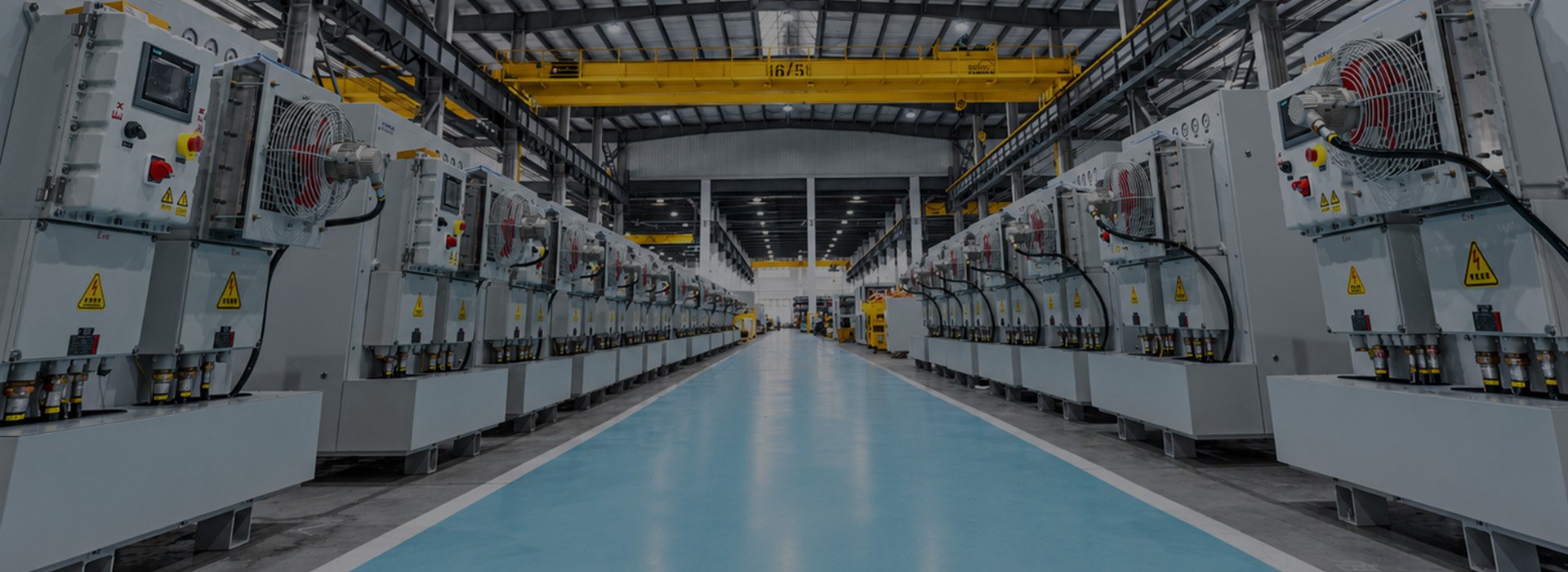
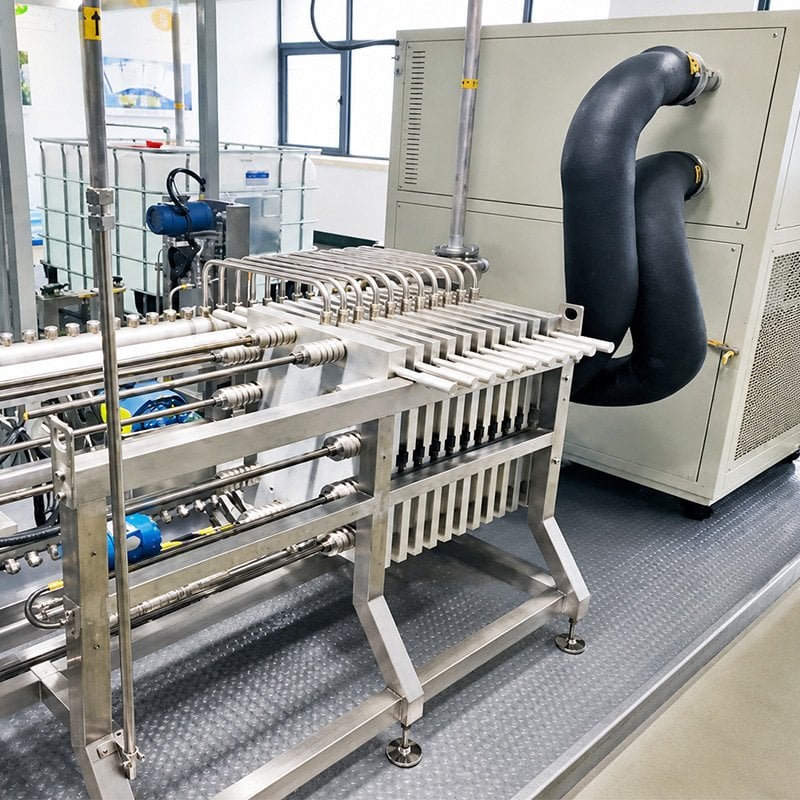
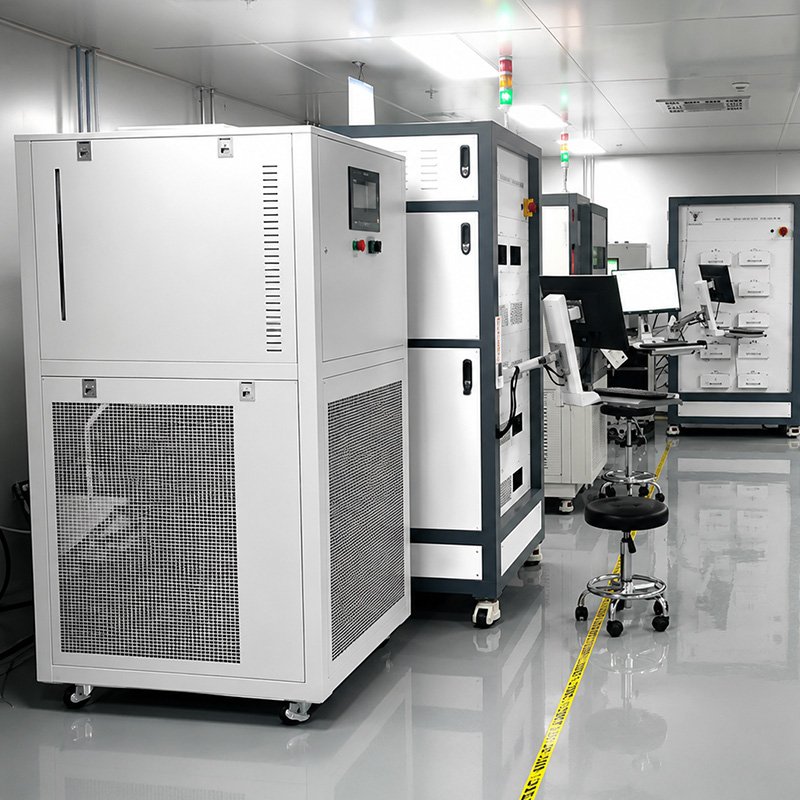
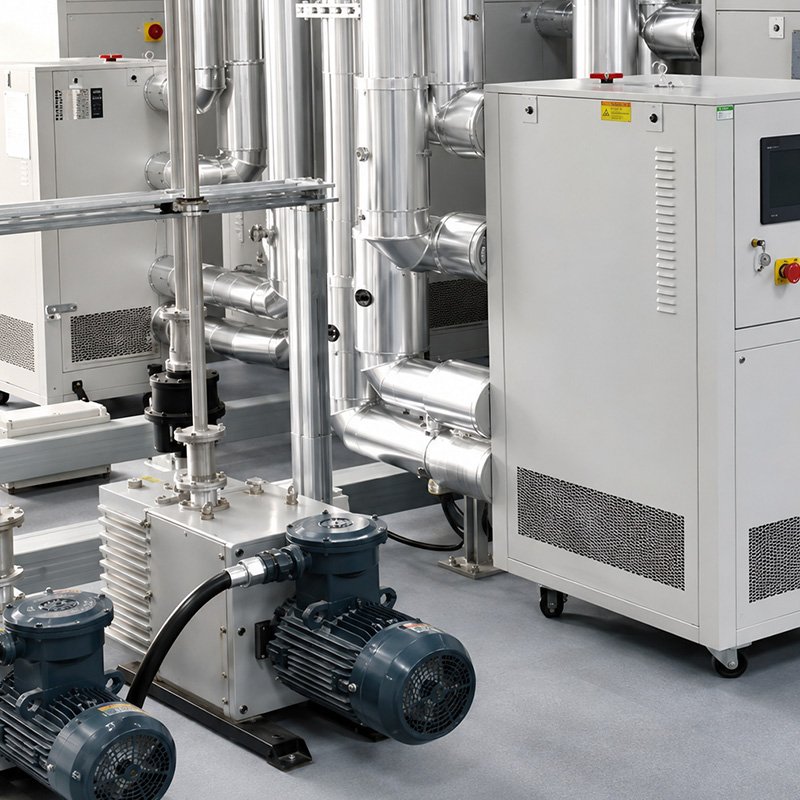
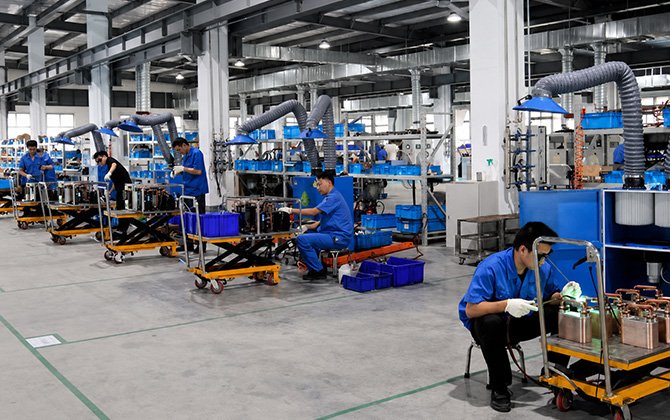
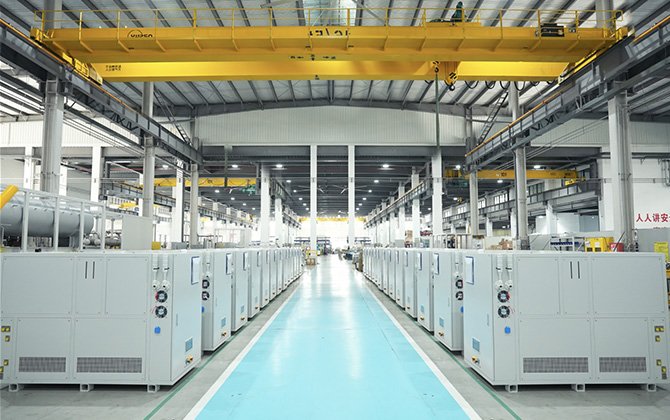
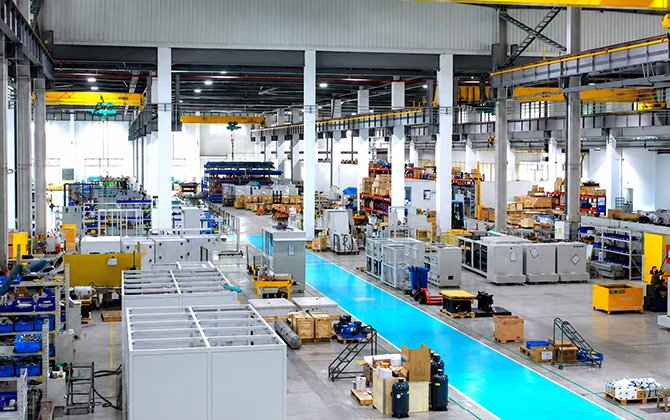
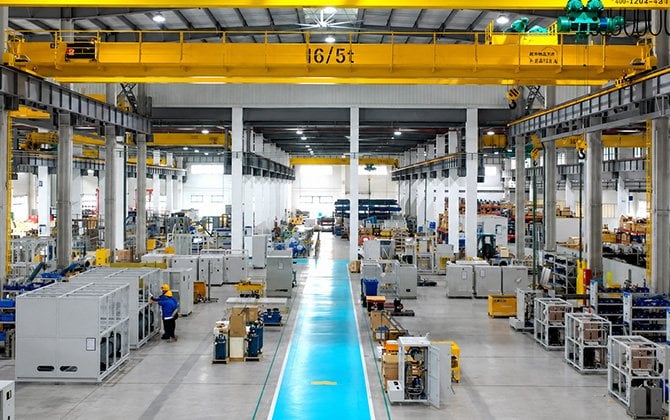
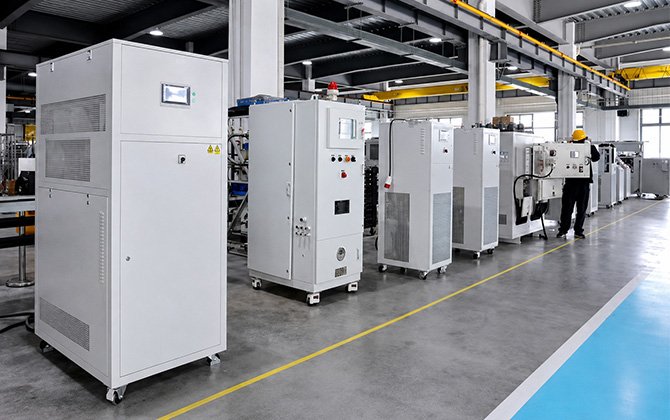
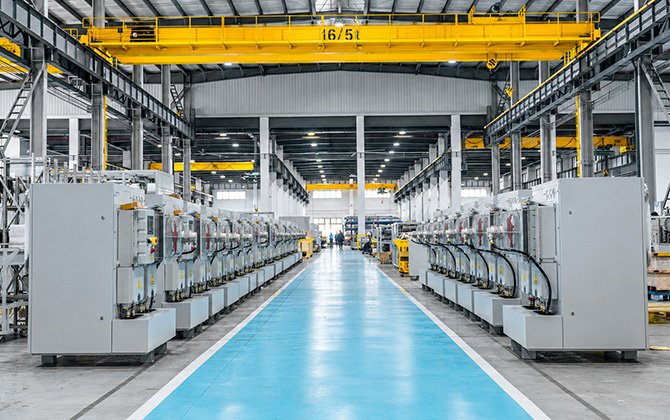
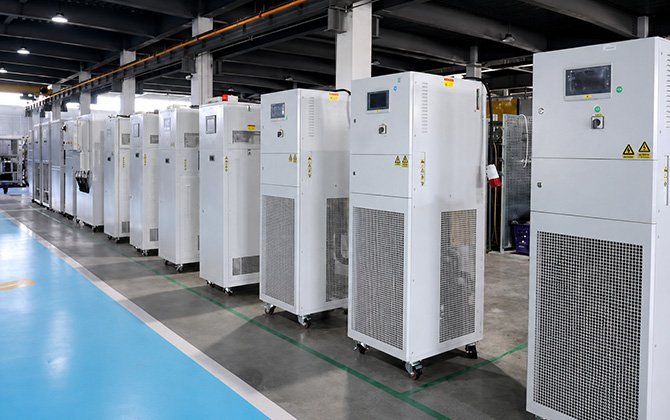
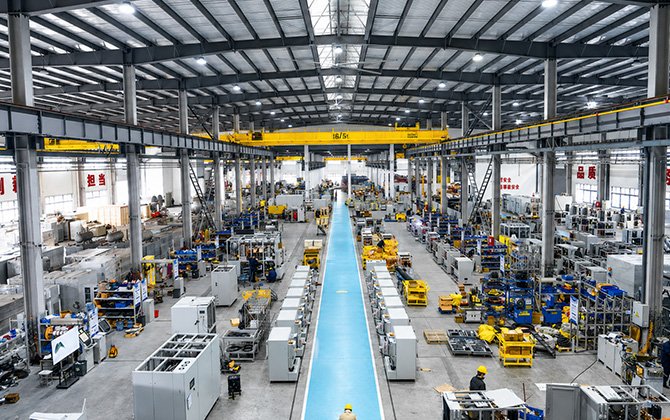
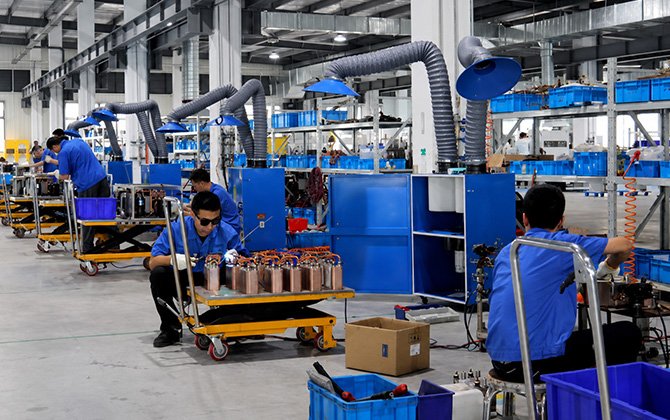
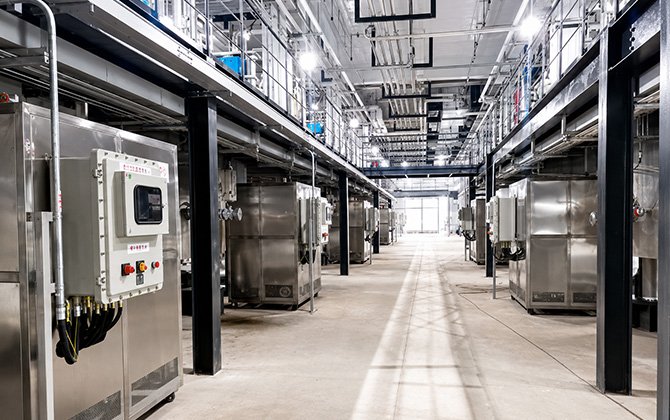
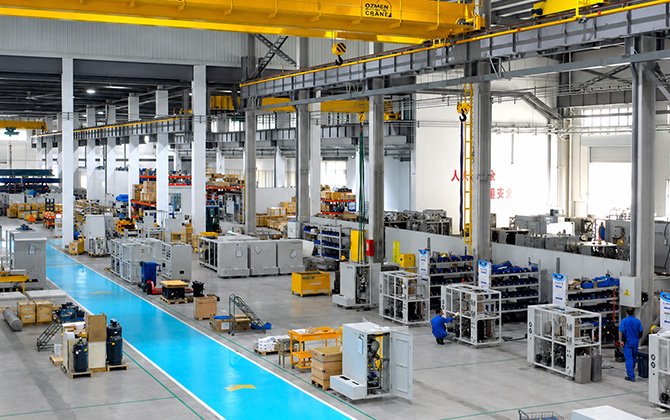
HiURTB is a professional manufacturer and integrator of CO2 extraction and post-processing equipment, including extraction chillers, process chillers, and cryogenic chiller configurations for low-temperature process cooling.
We provide air-cooled and water-cooled extraction chillers for different project conditions and cooling requirements.
Our extraction chillers are commonly used in cannabis, hemp and CBD extraction, as well as botanical oil extraction and post-processing projects for ethanol extraction, winterization, rotary evaporator condenser cooling, glass reactor and other jacketed reactor temperature control, solvent recovery, and related low-temperature cooling duties.
Different extraction, winterization, recovery, and reactor projects require different cooling ranges and circulation configurations.
The right extraction chiller is not selected by temperature alone. Starting fluid temperature, cooling capacity, pull-down time, flow rate, pressure, heat transfer fluid, and air-cooled or water-cooled configuration all affect project matching.
HiURTB helps you build a more suitable chiller for extraction based on actual process load and site condition.
Contact us by email or WhatsApp to discuss the right extraction chiller or low-temperature cooling solution for your project.
Extraction Chillers By Applications & Configuration
Explore extraction chiller configurations for different process temperatures, cooling loads, circulation requirements, and site conditions.
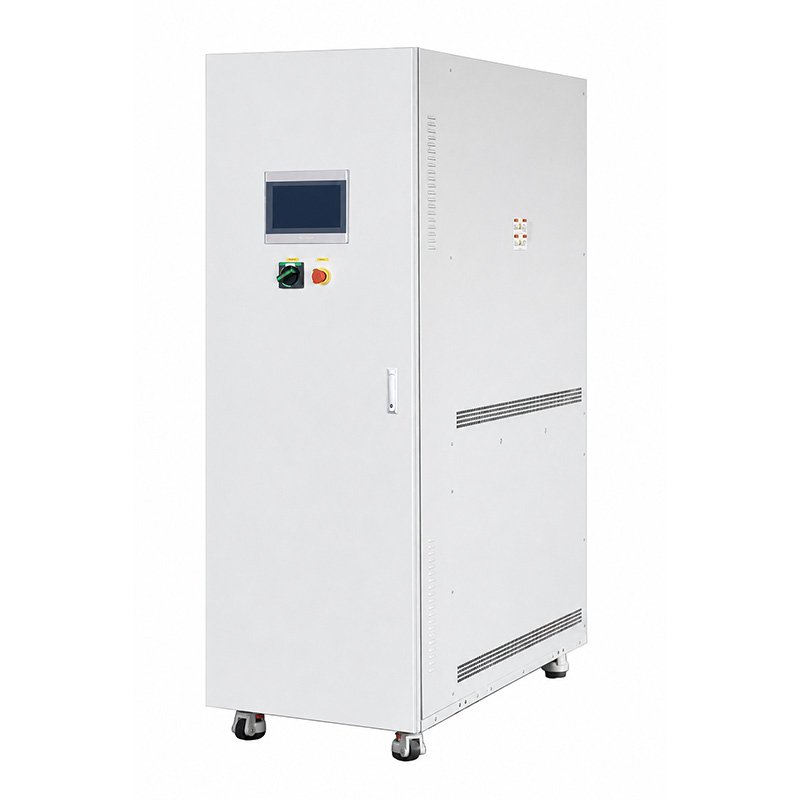
Low-temperature solvent pre-chilling
Typical Range: -20°C to -40°C
Deeper low-temperature projects: -40°C to -80°C
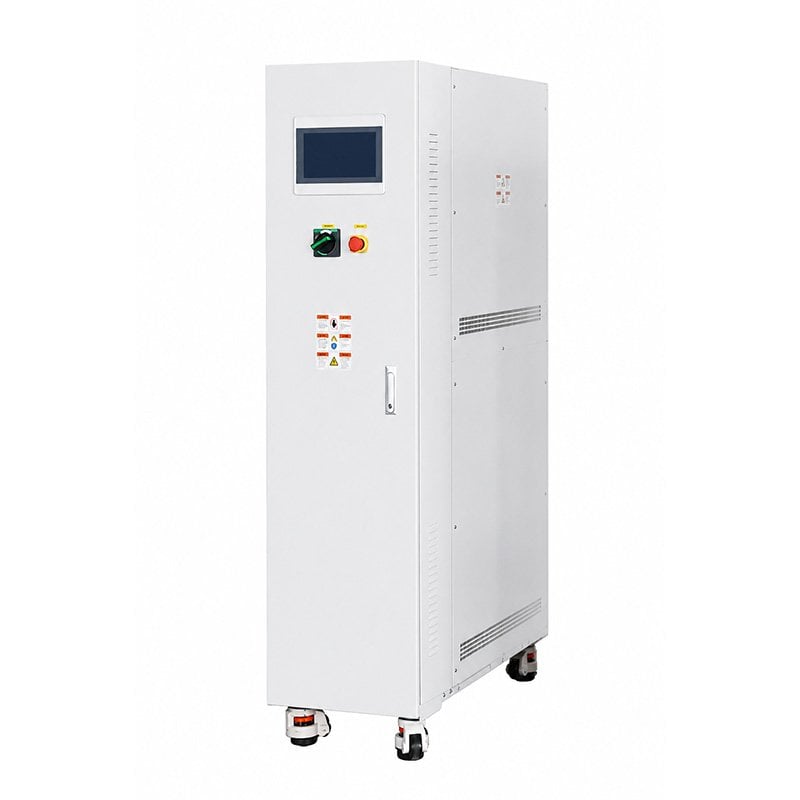
Controlled low-temperature cooling for wax and lipid precipitation in oil extraction and cannabinoid post-processing.
Typical Range: below -20°C
Common reference points: -20°C / -40°C / -80°C
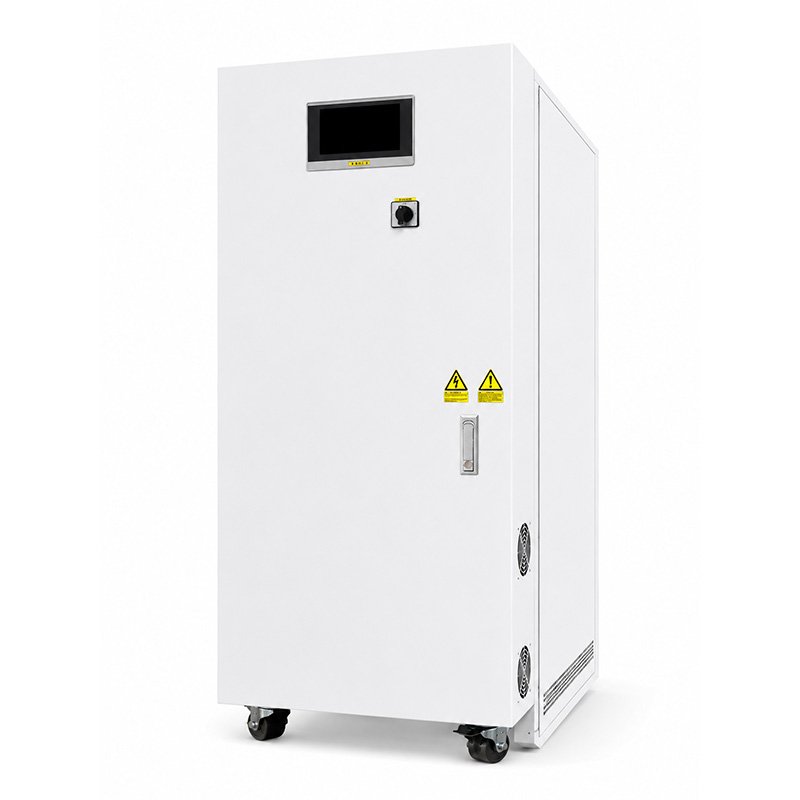
Condenser cooling for solvent vapor recovery in rotovap processes.
Typical Cooling Point: 0°C to +10°C
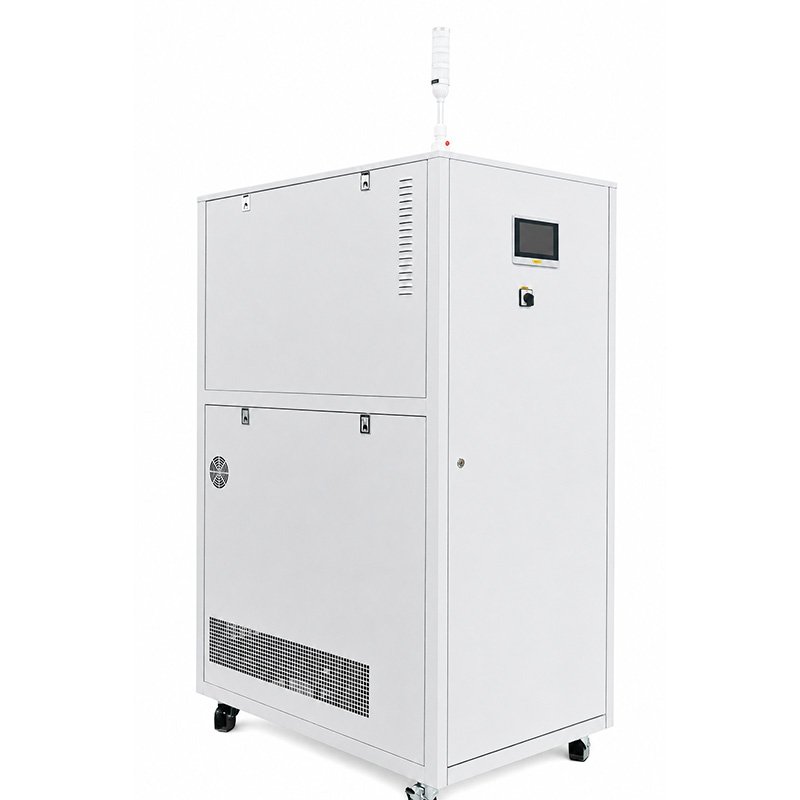
Circulation temperature control for jacketed reactor cooling & precise process matching.
Low-temperature or cooling-and-heating circulation.
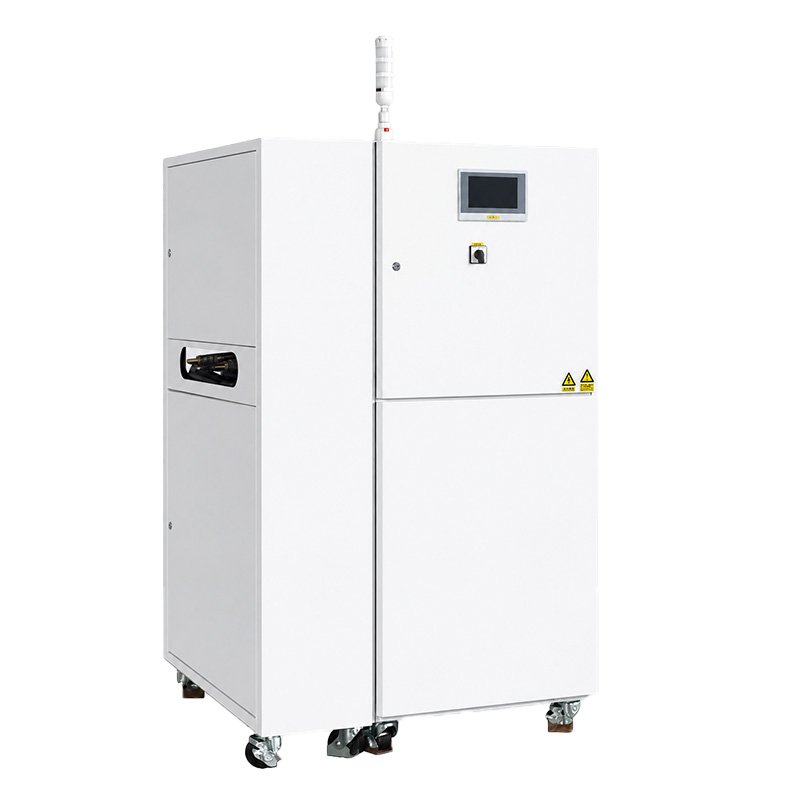
Condenser-side cooling to improve vapor condensation and reduce solvent loss.
Typical Cooling Point: 0°C to +10°C
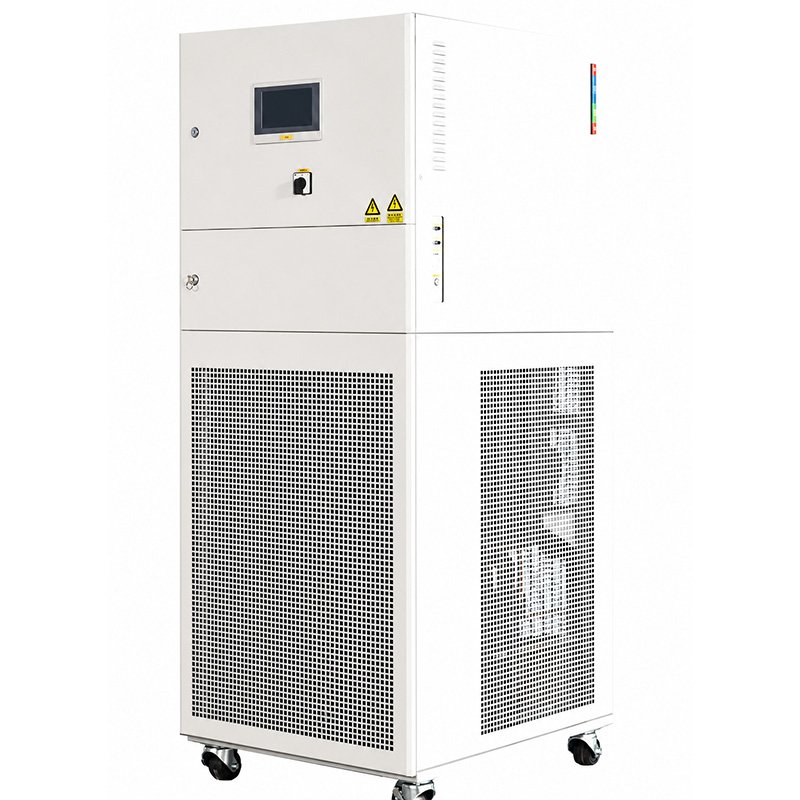
Suitable for standalone extraction labs, flexible layouts, and smaller to mid-scale cooling applications.
Independent cooling solution for sites without condenser-water infrastructure.
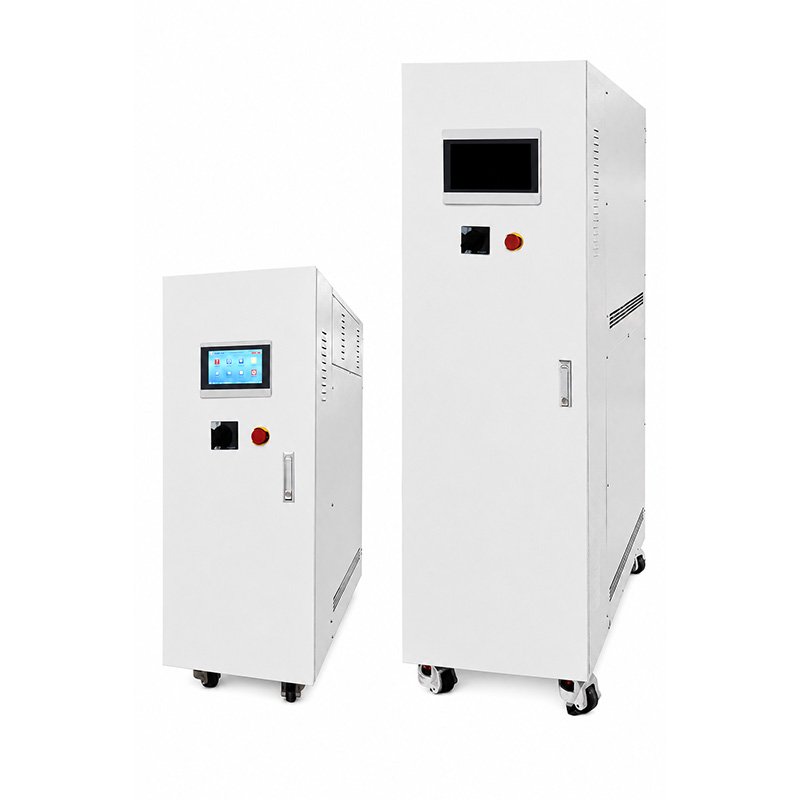
Suitable for larger continuous-duty projects or sites that already have cooling-water infrastructure.
Typical Matching: Cooling tower or condenser-water loop available.
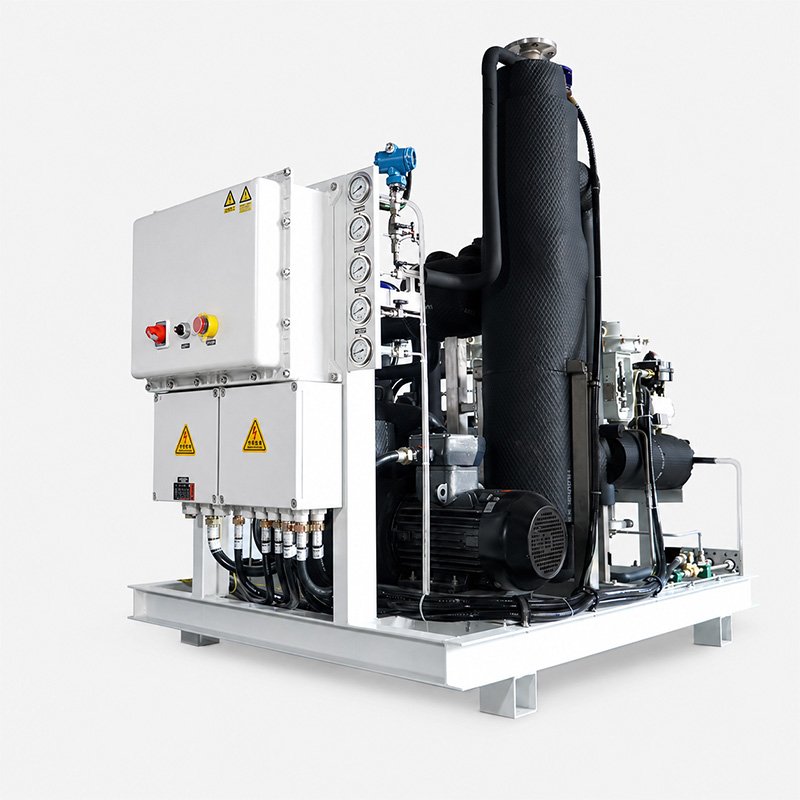
Used for larger continuous-duty extraction projects, large scale ethanol extraction, and more centralized low-temperature demand.
custom large-project cryogenic chiller and ultra low temperature chiller, -110°C to +30°C.
Extraction Chillers Features
Our extraction chillers are designed as low-temperature process chillers and fluid chiller solutions for extraction and recovery projects.

Supports more consistent cooling for extraction, winterization, and recovery processes.

Different cooling ranges and circulation configurations can be matched for different project needs.

Different condenser configurations can be selected based on site conditions and utility availability.

Suitable circulation performance improves compatibility for solvent chilling and reactor cooling.

Can be matched with suitable heat transfer fluids for low-temperature circulation requirements.

Cooling range and circulation setup can be configured for standard low-temperature projects or cryogenic chiller duties based on process load and site conditions.

Project-based verification before delivery helps reduce on-site commissioning uncertainty.

Designed for long-hour running stability and more reliable process cooling performance.
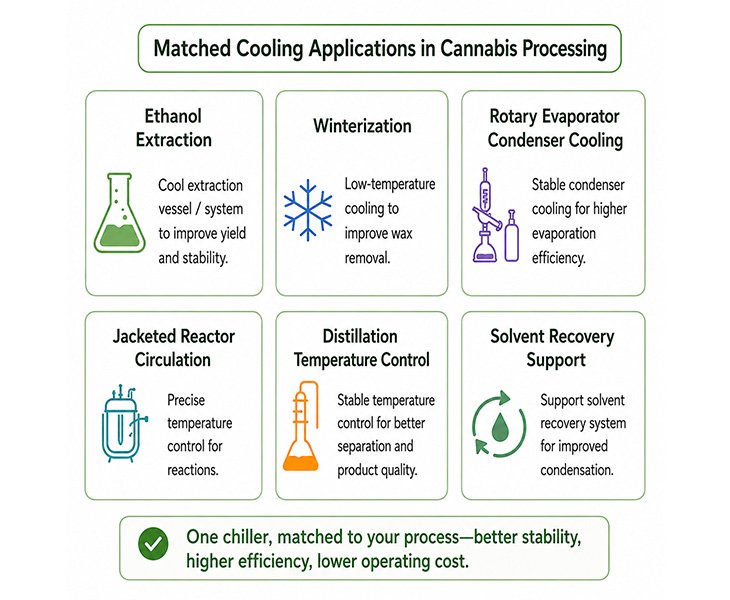
Multi-Process Cooling Matching
Our extraction chiller can support multiple cooling duties across extraction and post-processing, from low-temperature solvent preparation and winterization to condenser cooling, reactor temperature control, and distillation-related circulation.
Instead of using one general cooling setup for every project, we help you match a more suitable cooling direction based on the actual process node, temperature target, and circulation requirement.
Closed-Loop Temperature Control
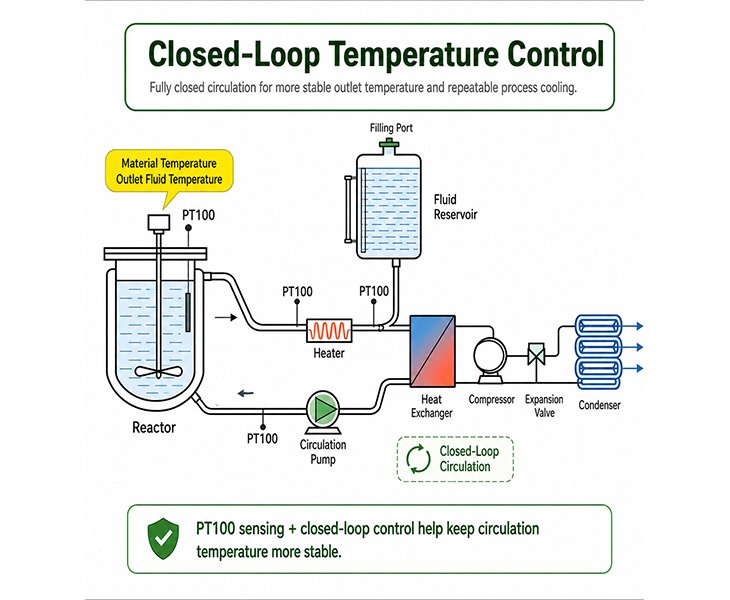
Our Extraction Chiller is designed with a fully closed circulation system to help reduce the risk of thermal fluid oxidation and moisture absorption from air. In high-temperature operation, thermal fluid does not easily evaporate from the system, while in low-temperature operation, the system can support thermal fluid circulation in a more stable way.
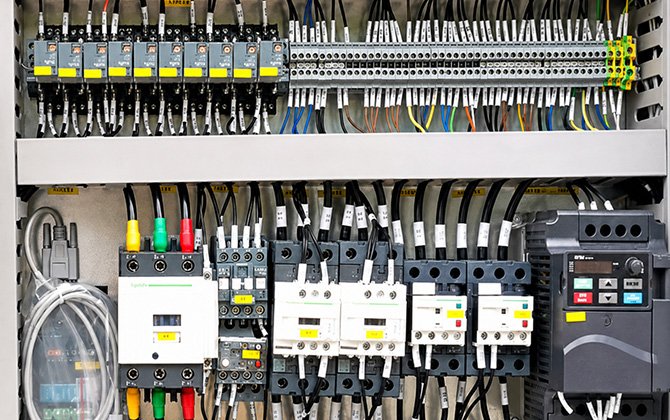
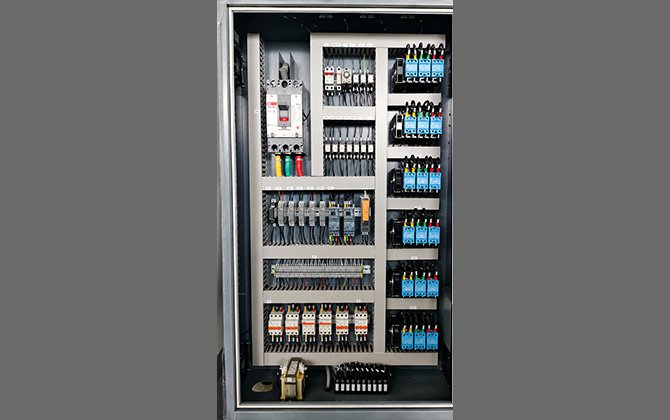
Combined with PT100 temperature sensing, PLC-based closed-loop control, and process-matched circulation design, selected configurations can also support cascade-control logic, multi-point temperature feedback, and delay-compensation-based control strategies for applications that need more stable and repeatable temperature control.
PLC Control And Communication Support
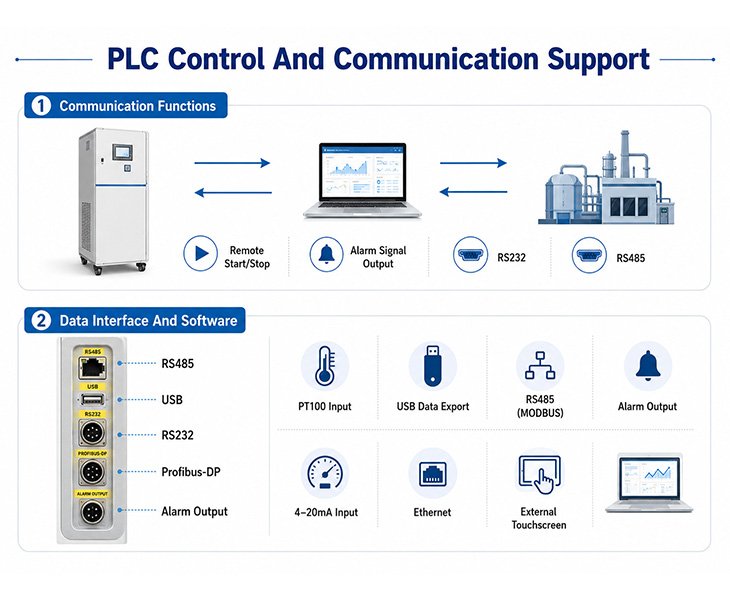
Extraction Chiller configurations support touchscreen operation, PLC control, temperature curve display, USB data export, and alarm record display.
This helps operators view process trends more clearly, review system running status more directly, and keep operating records more practical for daily use and troubleshooting.
Communication options such as RS485, Modbus RTU, and TCP/IP make project integration more practical when you need monitoring, data communication, or coordinated control with other systems.
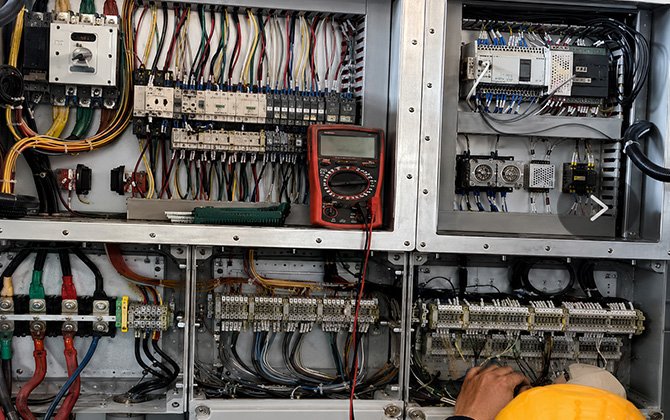
Factory Testing Before Delivery
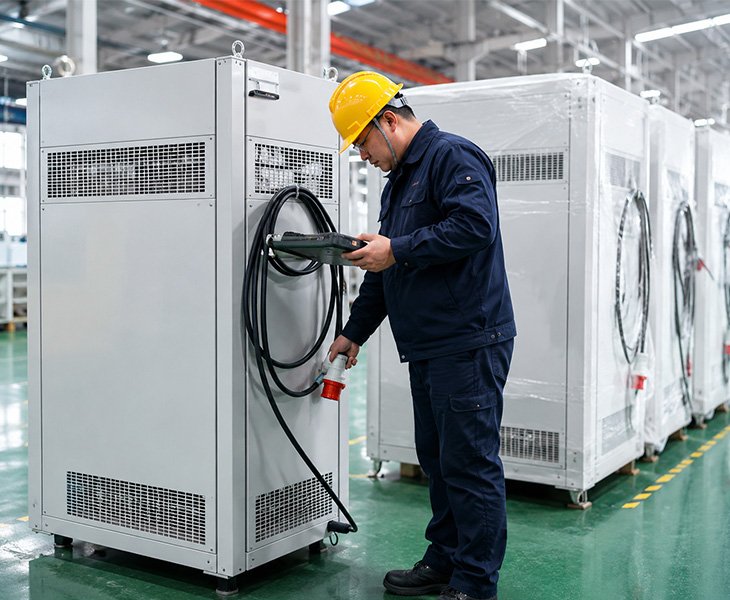
Before delivery, each Extraction Chiller can be checked according to the confirmed configuration and project scope.
This may include 100% helium leak testing, 100% safety inspection, 24-hour continuous running test, heating-function verification, and, on applicable series, no-load or load-related continuous operation testing.
Multi-Layer Safety Protection
Applicable Extraction Chiller configurations can include auto-diagnostic function, refrigeration overload protection, high and low pressure protection, thermal protection, and other safety protection functions.
This helps make long-hour low-temperature operation more practical and gives you a clearer safety margin in real project use.
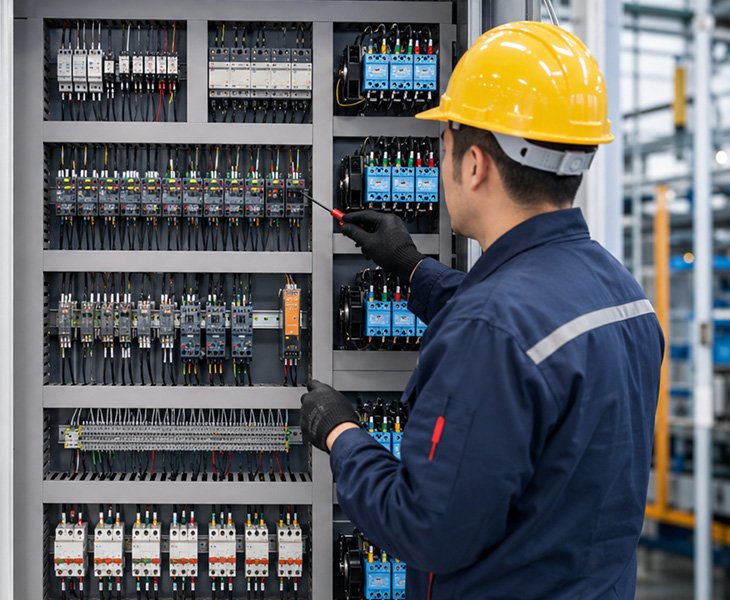
HiURTB Advantage
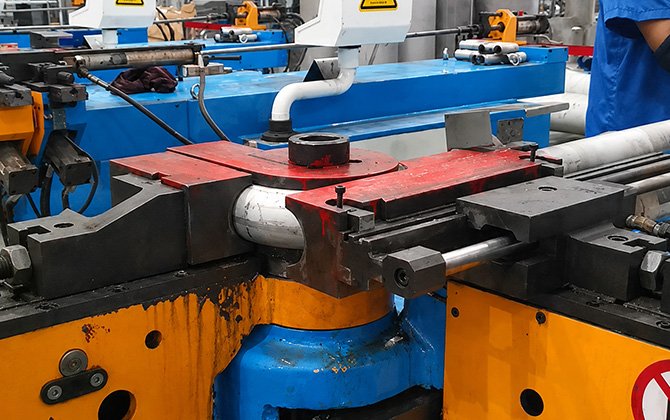
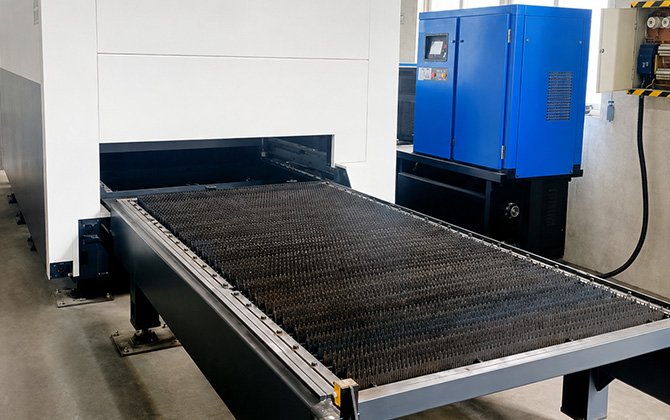
As a professional manufacturer and integrator of CO₂ extraction and post-processing equipment for cannabis, hemp, CBD, and botanical oil extraction projects, HiURTB provides extraction chillers, process chillers, and cryogenic process cooling support.
Depending on project requirements, available configurations can support typical low-temperature ranges such as -20°C, -40°C, -60°C, and -80°C.
Cooling capacity, pump flow rate, pressure, heat transfer fluid, and cooling type are matched according to the actual process load.
Our support includes pre-shipment checking, installation guidance, commissioning support, operator training, and warranty-based after-sales coordination.
Extraction Chillers By Cooling Scale And Temperature Range
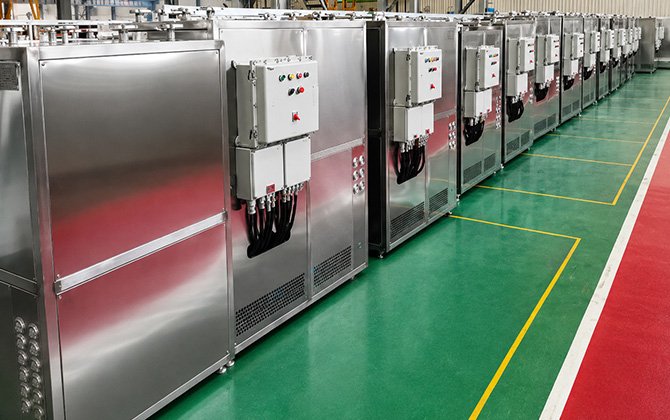
The EXC series is designed for standard extraction-side low-temperature process cooling and fluid chiller duties, while the EXCS series is intended for larger projects with higher cooling loads, large scale ethanol extraction, and more centralized cryogenic chiller demand.
- EXC Series: -80°C to +30°C
- EXCS Series: -80°C to -50°C
- EXCS Series: -100°C to -65°C
- EXCS Series: -115°C to -80°C
- Application Matching
- Utilities & Installation
| Series | Model | Temperature Range | Temperature Stability | Cooling Capacity @ Actual Test Point | Pump Flow Rate | Pump Pressure | Refrigerant | Power Supply | Dimensions | Optional Configuration |
| EXC-25 | EXC-25-1/1W | -25°C to +30°C | ±0.5°C | 0.7 kW @ -15°C | 30 L/min | 1.6 bar | R404A / R507 | 220V/50Hz or 380V/50Hz, depending on model | TBC by model | PLC controller / PT100 / RS485 Modbus RTU, subject to model |
| EXC-25 | EXC-25-1.5/1.5W | -25°C to +30°C | ±0.5°C | 1.3 kW @ -15°C | 30 L/min | 1.6 bar | R404A / R507 | 220V/50Hz or 380V/50Hz, depending on model | TBC by model | PLC controller / PT100 / RS485 Modbus RTU, subject to model |
| EXC-25 | EXC-25-2/2W | -25°C to +30°C | ±0.5°C | 2.0 kW @ -15°C | 30 L/min | 1.6 bar | R404A / R507 | 220V/50Hz or 380V/50Hz, depending on model | TBC by model | PLC controller / PT100 / RS485 Modbus RTU, subject to model |
| EXC-25 | EXC-25-3/3W | -25°C to +30°C | ±0.5°C | 3.0 kW @ -15°C | 30 L/min | 1.6 bar | R404A / R507 | 220V/50Hz or 380V/50Hz, depending on model | TBC by model | PLC controller / PT100 / RS485 Modbus RTU, subject to model |
| EXC-25 | EXC-25-5/5W | -25°C to +30°C | ±0.5°C | 5.0 kW @ -15°C | 30 L/min | 1.6 bar | R404A / R507 | 220V/50Hz or 380V/50Hz, depending on model | TBC by model | PLC controller / PT100 / RS485 Modbus RTU, subject to model |
| EXC-45 | EXC-45-1.5/1.5W | -45°C to +30°C | ±0.5°C | 0.6 kW @ -35°C | 20–30 L/min | 0.7–1.6 bar | R404A / R507 | 220V/50Hz or 380V/50Hz, depending on model | TBC by model | PLC controller / PT100 / RS485 Modbus RTU, subject to model |
| EXC-45 | EXC-45-2/2W | -45°C to +30°C | ±0.5°C | 1.1 kW @ -35°C | 20–30 L/min | 0.7–1.6 bar | R404A / R507 | 220V/50Hz or 380V/50Hz, depending on model | TBC by model | PLC controller / PT100 / RS485 Modbus RTU, subject to model |
| EXC-45 | EXC-45-3/3W | -45°C to +30°C | ±0.5°C | 1.4 kW @ -35°C | 20–30 L/min | 0.7–1.6 bar | R404A / R507 | 220V/50Hz or 380V/50Hz, depending on model | TBC by model | PLC controller / PT100 / RS485 Modbus RTU, subject to model |
| EXC-45 | EXC-45-5/5W | -45°C to +30°C | ±0.5°C | 2.4 kW @ -35°C | 20–30 L/min | 0.7–1.6 bar | R404A / R507 | 220V/50Hz or 380V/50Hz, depending on model | TBC by model | PLC controller / PT100 / RS485 Modbus RTU, subject to model |
| EXC-80 | EXC-80-1.5/1.5W | -80°C to -40°C | ±0.5°C | 0.3 kW @ -70°C | 20–35 L/min | 0.7–1.0 bar | R404A / R410A / R508B / R23 | 220V/50Hz or 380V/50Hz, depending on model | TBC by model | PLC controller / PT100 / RS485 Modbus RTU, subject to model |
| EXC-80 | EXC-80-2/2W | -80°C to -40°C | ±0.5°C | 0.6 kW @ -70°C | 20–35 L/min | 0.7–1.0 bar | R404A / R410A / R508B / R23 | 220V/50Hz or 380V/50Hz, depending on model | TBC by model | PLC controller / PT100 / RS485 Modbus RTU, subject to model |
| EXC-80 | EXC-80-3/3W | -80°C to -40°C | ±0.5°C | 0.85 kW @ -70°C | 20–35 L/min | 0.7–1.0 bar | R404A / R410A / R508B / R23 | 220V/50Hz or 380V/50Hz, depending on model | TBC by model | PLC controller / PT100 / RS485 Modbus RTU, subject to model |
| EXC-80 | EXC-80-5/5W | -80°C to -40°C | ±0.5°C | 1.3 kW @ -70°C | 20–35 L/min | 0.7–1.0 bar | R404A / R410A / R508B / R23 | 220V/50Hz or 380V/50Hz, depending on model | TBC by model | PLC controller / PT100 / RS485 Modbus RTU, subject to model |
| Field | EXCS-80-6/6W | EXCS-80-10/10W | EXCS-80-15/15W | EXCS-80-20W | EXCS-80-30W | EXCS-80-40W |
| Temperature Range | -80°C to -50°C | |||||
| Control System | PLC controller, outlet temperature control, 7-inch color touchscreen, setpoint/measurement display, temperature curve recording, Excel data export | |||||
| Temperature Stability | ±0.5°C | |||||
| Cooling Capacity @ -60°C | 5.8 kW | 8.6 kW | 12 kW | 16.5 kW | 26.6 kW | 30 kW |
| Cooling Capacity @ -70°C | 3.7 kW | 5.5 kW | 7.7 kW | 10.6 kW | 17 kW | 19.2 kW |
| Circulation Pump Max | 2.3 m³/h @ 2 bar | 3.4 m³/h @ 2 bar | 4.6 m³/h @ 2 bar | 6.5 m³/h @ 2 bar | 11 m³/h @ 2 bar | 12 m³/h @ 2 bar |
| Compressor | Piston / rotary / scroll compressor, inverter control, depending on model | |||||
| Evaporator | Plate heat exchanger | |||||
| Safety Protection | Auto-diagnostic function, refrigeration overload protection, high/low pressure protection, overheating protection, thermal protection, and other safety functions | |||||
| Refrigerant | R404A / R410A / R23 / R508B | |||||
| Connection Size | DN20 | DN25 | DN25 | DN32 | DN40 | DN40 |
| Air-Cooled Dimensions | 80 × 120 × 185 cm | 100 × 150 × 185 cm | 145 × 250 × 225 cm | / | / | / |
| Water-Cooled Dimensions | 70 × 100 × 175 cm | 100 × 150 × 185 cm | 100 × 150 × 185 cm | 200 × 145 × 205 cm | 250 × 145 × 225 cm | 250 × 145 × 225 cm |
| Cooling Water Flow / Port | 5 m³/h DN32 | 8 m³/h DN40 | 12 m³/h DN50 | 14 m³/h DN50 | 25 m³/h DN65 | 30 m³/h DN80 |
| Power Supply (50Hz Max) | 3-phase 380V, 13.5 kW | 3-phase 380V, 21 kW | 3-phase 380V, 28 kW | 3-phase 380V, 43 kW | 3-phase 380V, 63 kW | 3-phase 380V, 73 kW |
| Weight | 450 kg | 850 kg | 1000 kg | 1200 kg | 1600 kg | 2000 kg |
| Field | EXCS-100-4W | EXCS-100-6W | EXCS-100-10W |
| Temperature Range | -100°C to -65°C | ||
| Control System | PLC controller, outlet temperature control, 7-inch color touchscreen, setpoint/measurement display, temperature curve recording, Excel data export | ||
| Temperature Stability | ±0.5°C | ||
| Cooling Capacity @ -80°C | 0.8 kW | 1.4 kW | 2.1 kW |
| Cooling Capacity @ -90°C | 0.6 kW | 1.1 kW | 1.7 kW |
| Circulation Pump Max | 20 L/min @ 2 bar | 20 L/min @ 2 bar | 30 L/min @ 2 bar |
| Compressor | Variable-frequency compressor, depending on model | ||
| Evaporator | Plate heat exchanger | ||
| Safety Protection | Auto-diagnostic function, refrigeration overload protection, high/low pressure protection, overheating protection, thermal protection, and other safety functions | ||
| Refrigerant | Mixed refrigerant | ||
| Connection Size | ZG3/4 | ZG3/4 | ZG3/4 |
| Dimensions | 55 × 100 × 175 cm | 70 × 100 × 175 cm | 100 × 150 × 185 cm |
| Cooling Water Flow / Port | 2.5 m³/h Rc3/4 | 3.3 m³/h Rc1 | 9 m³/h DN40 |
| Power Supply (50Hz Max) | 3-phase 380V, 6 kW | 3-phase 380V, 8.5 kW | 3-phase 380V, 17 kW |
| Weight | 200 kg | 250 kg | 450 kg |
| Field | EXCS-115-6W | EXCS-115-10W | EXCS-115-15W |
| Temperature Range | -115°C to -80°C | ||
| Control System | PLC controller, outlet temperature control, 7-inch color touchscreen, setpoint/measurement display, temperature curve recording, Excel data export | ||
| Temperature Stability | ±0.5°C | ||
| Cooling Capacity @ -90°C | 1.1 kW | 1.7 kW | 2.8 kW |
| Cooling Capacity @ -100°C | 0.8 kW | 1.2 kW | 2.0 kW |
| Circulation Pump Max | 20 L/min @ 2 bar | 30 L/min @ 2 bar | 40 L/min @ 2 bar |
| Compressor | Variable-frequency compressor, depending on model | ||
| Evaporator | Plate heat exchanger | ||
| Safety Protection | Auto-diagnostic function, refrigeration overload protection, high/low pressure protection, overheating protection, thermal protection, and other safety functions | ||
| Refrigerant | Mixed refrigerant | ||
| Connection Size | ZG3/4 | ZG3/4 | ZG3/4 |
| Dimensions | 70 × 100 × 175 cm | 100 × 150 × 185 cm | 100 × 150 × 185 cm |
| Cooling Water Flow / Port | 3.3 m³/h Rc1 | 9 m³/h DN40 | 11 m³/h DN40 |
| Power Supply (50Hz Max) | 3-phase 380V, 8.5 kW | 3-phase 380V, 17 kW | 3-phase 380V, 23 kW |
| Weight | 250 kg | 450 kg | 600 kg |
| Application | Typical Cooling Range | Matching Focus |
| Ethanol Extraction | -20°C to -40°C; deeper projects: -40°C to -80°C | Solvent pre-chilling for low-temperature ethanol extraction |
| Winterization | Below -20°C; common reference points: -20°C / -40°C / -80°C | Stable low-temperature holding for oil and cannabinoid post-processing |
| Rotary Evaporator | 0°C to +10°C | Condenser cooling |
| Jacketed Reactor | Project-based | Circulation, flow, pressure |
| Solvent Recovery | 0°C to +10°C | Vapor condensation |
| Field | Description |
| Cooling Type | Air-cooled / Water-cooled |
| Site Utility | Facility water / cooling tower / standalone installation |
| Power Supply | According to project requirement |
| Heat Transfer Fluid | Glycol / glycol-water / project-based fluid |
| Installation Condition | Indoor/outdoor / site-based review |
| Matching Scope | Based on process load and site condition |
Our Extraction Chiller provides process cooling for solvent pre-chilling, low-temperature winterization, condenser cooling, and jacketed reactor circulation in cannabis, hemp and botanical processing projects.
In cannabis hemp or botanical processing, our extraction chiller is not only used to reach a low temperature, but also to help build more suitable cooling conditions for different process nodes and operating loads.
The right extraction chiller should not be selected by temperature alone.
Starting fluid temperature, target temperature, pull-down time, cooling capacity, flow rate, pressure, heat transfer fluid, and site utility condition all affect the final matching result.
In many projects, an extraction chiller also needs to be reviewed together with air-cooled or water-cooled configuration and the actual installation condition.
It depends on the project site and operating condition.
An air-cooled extraction chiller is usually more practical for standalone installation or sites without facility water or a cooling tower.
A water-cooled extraction chiller is often more suitable for larger continuous-duty applications or projects that already have condenser-water infrastructure.
The better option depends on cooling load, site utility, and installation condition.
Yes. For special projects, a lower-temperature Extraction Chiller, cryogenic chiller, or ultra low temperature chiller configuration can also be discussed according to the confirmed application requirement.
However, for standard cannabis or botanical extraction applications, the final selection of an extraction chiller should still be based on actual process temperature, cooling load, circulation requirement, and site condition instead of simply choosing the lowest possible temperature.
Before delivery, an Extraction Chiller can be checked according to the confirmed configuration and project scope.
Depending on the model and project requirement, this may include helium leak testing, safety inspection, continuous running test, heating-function verification, and key function checking before shipment.
After delivery, support can include remote communication, operating guidance, and spare parts preparation based on project requirements.
How To Choose The Right Extraction Chiller For Cannabis, Hemp And Botanical Processing
Our Extraction Chiller is a low-temperature process cooling system used to control solvent and circulation temperature in extraction-related applications.
Choosing the right extraction chiller is not only about finding a low temperature.
In cannabis,hemp or botanical processing, different process nodes need different cooling logic, temperature range, circulation condition, and cooling capacity. If you choose only by one temperature number, the system may not fit your actual extraction workflow. We suggest reviewing your application step by step, then matching a more practical cooling solution based on process load and site condition.
Step 1: Confirm Your Main Process Application
The first step is to confirm where the extraction chiller will be used in your process. The most common applications include ethanol extraction solvent pre-chilling, winterization temperature holding, rotary evaporator condenser cooling, jacketed reactor circulation, and solvent recovery support.
This step matters because different process nodes do not follow the same cooling logic. Ethanol extraction focuses more on solvent temperature before extraction. Winterization focuses more on stable low-temperature holding and filtration preparation. Rotary evaporator and solvent recovery focus more on condenser-side cooling. Jacketed reactor applications need circulation temperature control instead of only a cold source.
After you tell us your main process application, we will help you select an accurate extraction chiller for your needs.
Step 2: Confirm The Required Temperature Range
After confirming the application, the next step is to review the temperature range your process actually needs. For many cold ethanol extraction projects, the common working range is often around -20°C to -40°C. For deeper low-temperature extraction or higher-purity targets, some projects may require cooling around -40°C to -80°C.
For winterization, the key is not simply “the colder the better.” The solution needs to be cold enough for waxes and fats to precipitate and remain out of solution long enough to be filtered off. In many projects, winterization commonly starts to become useful below about -20°C, while -20°C, -40°C, and -80°C are often used as reference setpoints depending on process design and refining depth.
Rotary evaporator and solvent recovery do not always require the same kind of deep low temperature. In many of those systems, the more important point is whether condenser-side cooling matches the vapor recovery requirement. That is why a practical extraction chiller selection should be based on the real process target instead of simply choosing the lowest possible setpoint.
Step 3: Check Cooling Capacity And Heat Load
Once the temperature range is roughly clear, you need to review whether the extraction chiller has enough cooling capacity for the real job. This is where many projects make mistakes. A system may look suitable on paper because the temperature range seems correct, but if the cooling capacity is too small, the unit may not pull down fast enough or hold temperature under load.
You need to consider the starting fluid temperature, the target temperature, the required pull-down time, the amount of fluid to be cooled, and the total heat load entering the system. If the chiller is too small, cooling performance may drop during real operation. If the unit is too large, investment and running cost may become less practical than necessary.
When you share your real cooling demand with us, we can help you review whether the selected extraction chiller is sized for actual process load instead of only matching one temperature headline.
Step 4: Review Flow Rate, Pressure, And Circulation Requirement
For many process-cooling applications, especially jacketed reactor circulation, temperature alone is not enough. You also need to review circulation flow rate, pressure, and how the heat transfer fluid moves through the process loop.
A jacketed reactor needs circulating temperature control, not just a cold source. The heat transfer fluid must move through the jacket continuously so the system can remove or supply heat in real time. If the flow rate is too low or the pressure is not suitable, the process temperature may drift even if the chiller itself can reach the target setpoint.
This is why we do not only ask how cold you want the extraction chiller to run. We also review whether the circulation condition is suitable for your actual reactor, piping, and process requirement.
Step 5: Choose The Right Heat Transfer Fluid
Heat transfer fluid is another important part of extraction chiller selection. In some low-temperature applications, glycol or glycol-water solutions may be suitable. In deeper low-temperature circulation, a lower-temperature heat transfer fluid may be required.
The fluid choice affects circulation stability, viscosity, thermal performance, and compatibility with the system. A fluid that works at one temperature range may not work well at a much lower range. If the viscosity becomes too high, circulation performance may drop and the real cooling effect may become less stable.
When you choose an extraction chiller, we help you review whether glycol-water circulation is enough, whether a lower-temperature fluid is needed, and whether the fluid matches your real process and temperature requirement.
Step 6: Decide Between Air-Cooled And Water-Cooled
After temperature, load, and circulation are reviewed, you should decide whether the extraction chiller should be air-cooled or water-cooled. This is mainly a site-condition decision.
Air-cooled chillers are usually more practical for standalone extraction labs, flexible layouts, or sites without facility cooling water or a cooling tower. Water-cooled chillers are often more suitable for larger continuous-duty projects or plants that already have condenser-water infrastructure.
The better option depends on your available utilities, installation environment, and operating load. A cooling method that looks acceptable on paper may not be convenient in real installation. We usually review the actual site condition first, then help you choose a more practical cooling direction.
Step 7: Decide Whether One Chiller Is Enough
In some projects, one extraction chiller can support more than one cooling duty. In other projects, extraction, winterization, reactor circulation, and solvent recovery do not share the same cooling logic or load profile, so one unit may not be the best long-term arrangement.
For example, a project may have one temperature range for extraction-side chilling and another for recovery-side cooling. In larger facilities, different chilling loads may be better handled by separate systems. For centralized low-temperature projects or larger continuous-duty demand, a larger EXCS screw chiller configuration may be more suitable than one standard recirculating unit.
When you plan a multi-step project, we help you review whether one Extraction Chiller is enough, whether duties should be separated, and whether your process is better served by one matched unit or a broader cooling support solution.
Step 8: Prepare The Key Information Before Requesting A Quotation
Before asking for a quotation, it helps to prepare the key information clearly. This makes chiller matching faster and more accurate.
You should try to confirm:
- the main process application
- the starting temperature and target temperature
- the required pull-down time
- the cooling capacity requirement
- the circulation flow rate and pressure
- the heat transfer fluid
- whether air-cooled or water-cooled is preferred
- the site utility and installation condition
When you prepare these points early, extraction chiller selection becomes much clearer. It also helps us recommend a more practical configuration instead of offering one general setup for every project.
How We Help You Match A More Practical Extraction Chiller
When we discuss an extraction chiller project with you, the goal is not only to confirm a temperature range. We also review starting temperature, target temperature, pull-down time, cooling capacity, flow rate, pressure, heat transfer fluid, site utility, and whether air-cooled or water-cooled matching is more suitable.
Based on the confirmed application scope, we support configuration discussion, pre-shipment verification, and after-sales coordination so that your project can move forward with a clearer cooling direction. Instead of only sending a price for a generic machine, we try to help you build a cooling solution that is more practical for real extraction, winterization, recovery, or circulation use.

