
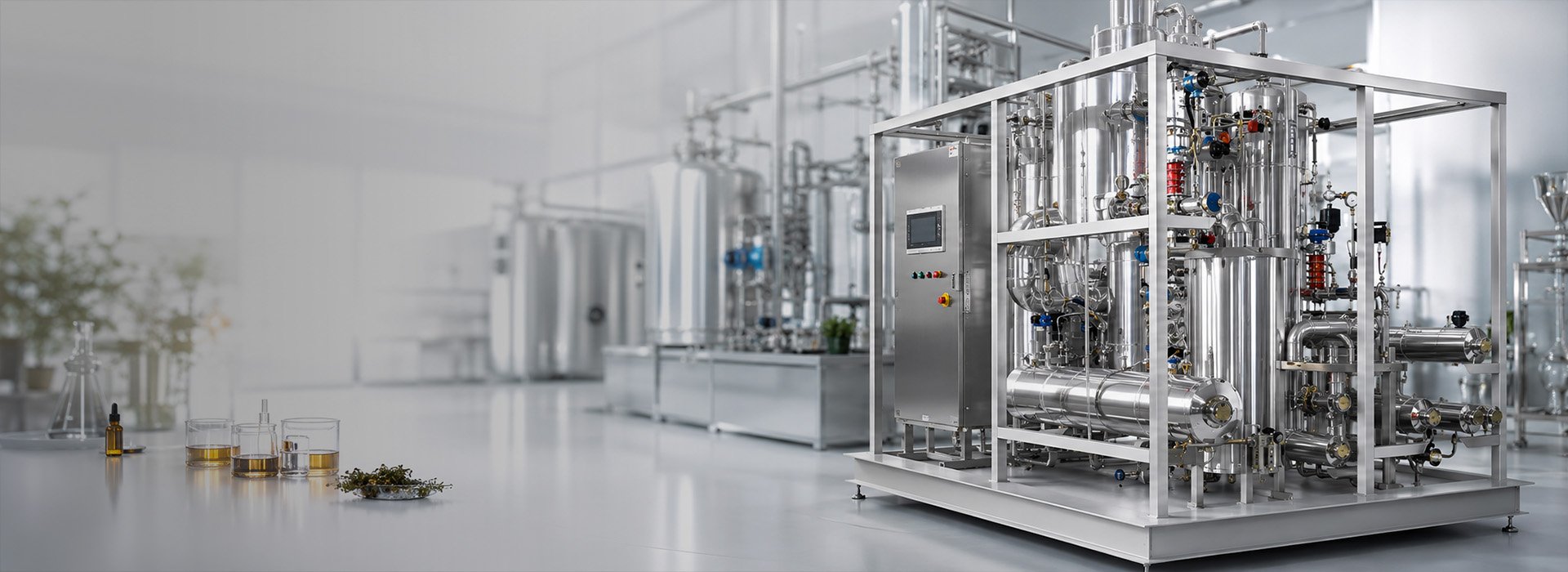
Your Ethanol Recovery System Manufacturer
HiURTB is a professional supplier of ethanol recovery systems and solvent recovery equipment for cannabis and hemp crude oil, as well as botanical crude oil post-processing projects. Our ethanol recovery system is commonly used after ethanol mixing, winterization, and filtration, helping recover ethanol from the ethanol-oil mixture before decarboxylation, distillation, crystallization, or other refining processes.
According to different production scales and recovery requirements, the ethanol recovery system can be configured with a rotary evaporator, falling film evaporator, single-effect evaporator, vacuum pump, condenser, chiller, solvent receiving tank and temperature control system. For projects using other organic solvents, the recovery configuration can also be reviewed according to solvent type, process condition and safety requirement.
Before oil and ethanol recovery equipment recommendation, we review your crude oil output, ethanol-to-oil ratio, daily solvent load, target recovery speed, working hours, vacuum condition, condenser capacity, material requirement and downstream process target. This helps the ethanol recovery system better match your winterization volume, ethanol recovery capacity, heating and cooling conditions, solvent receiving method and production workflow.
For ethanol and other flammable solvent projects, optional explosion-proof configuration, ventilation, electrical design, grounding and local safety requirements can also be discussed according to project location and solvent type. Contact us now to discuss your ethanol recovery system requirement and have price.
Ethanol Recovery System & Equipment
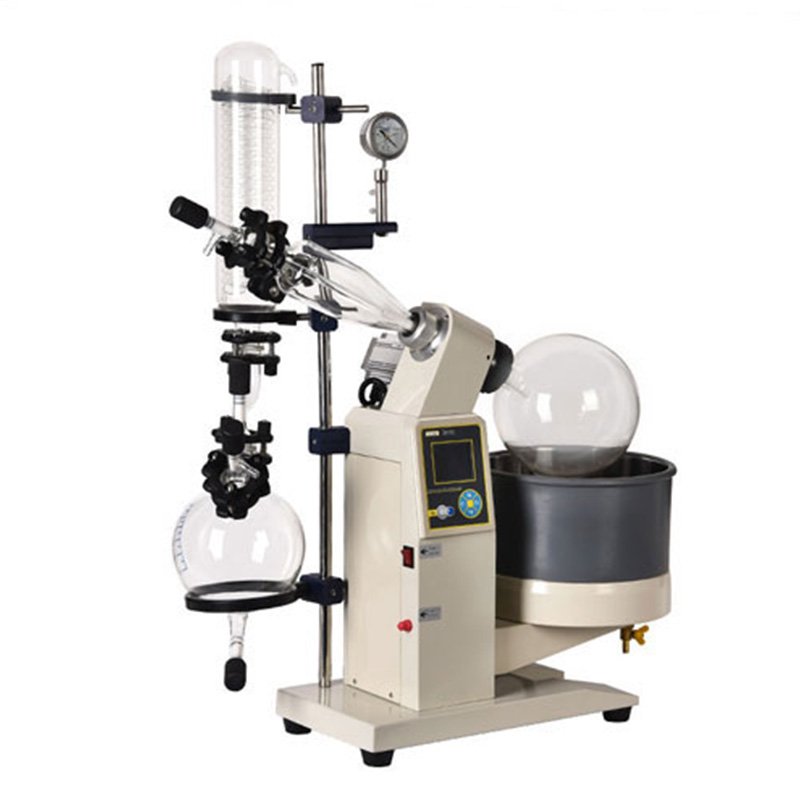
- 0–9 L/h ethanol recovery capacity.
- Suitable for lab testing, R&D, small-batch solvent recovery, and early-stage post-processing projects.
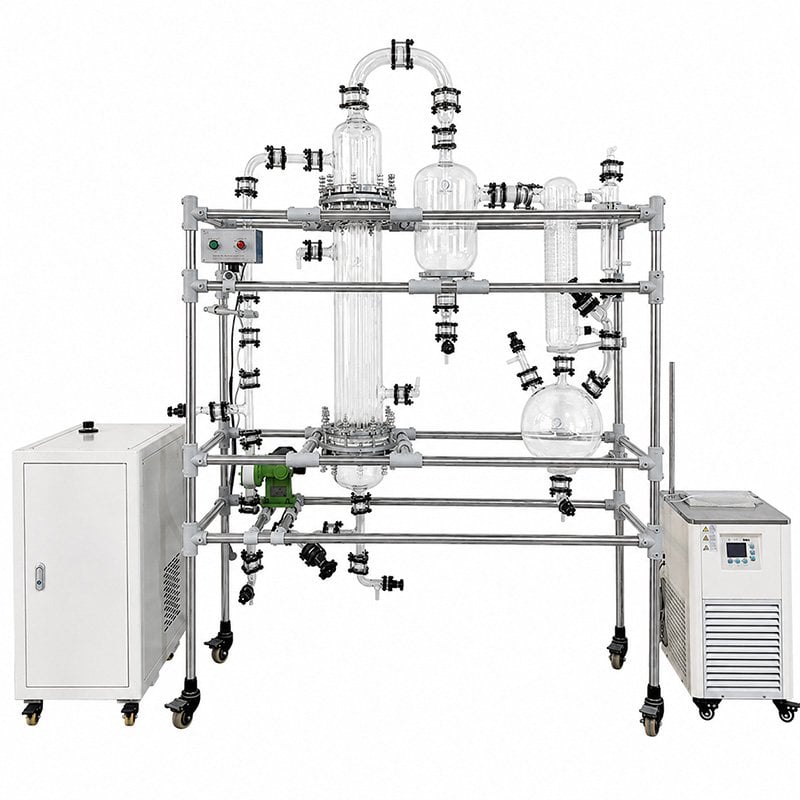
- 50–300 L/h ethanol recovery capacity.
- Suitable for pilot-scale and small commercial ethanol recovery after winterization and filtration.
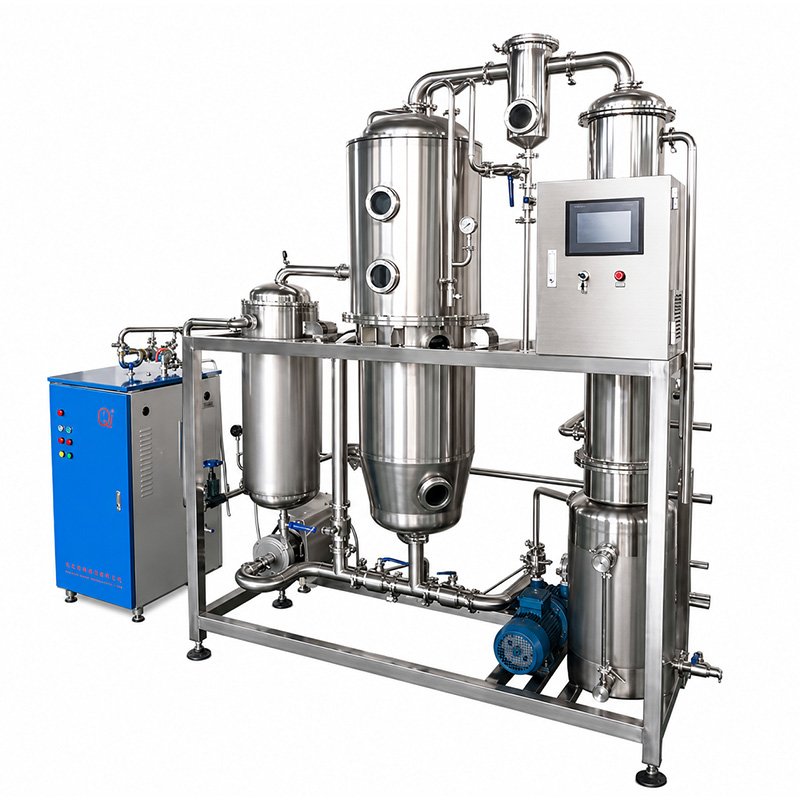
- 100–2000 L/h ethanol recovery capacity.
- Suitable for medium and large-scale commercial post-processing lines with higher daily solvent load.
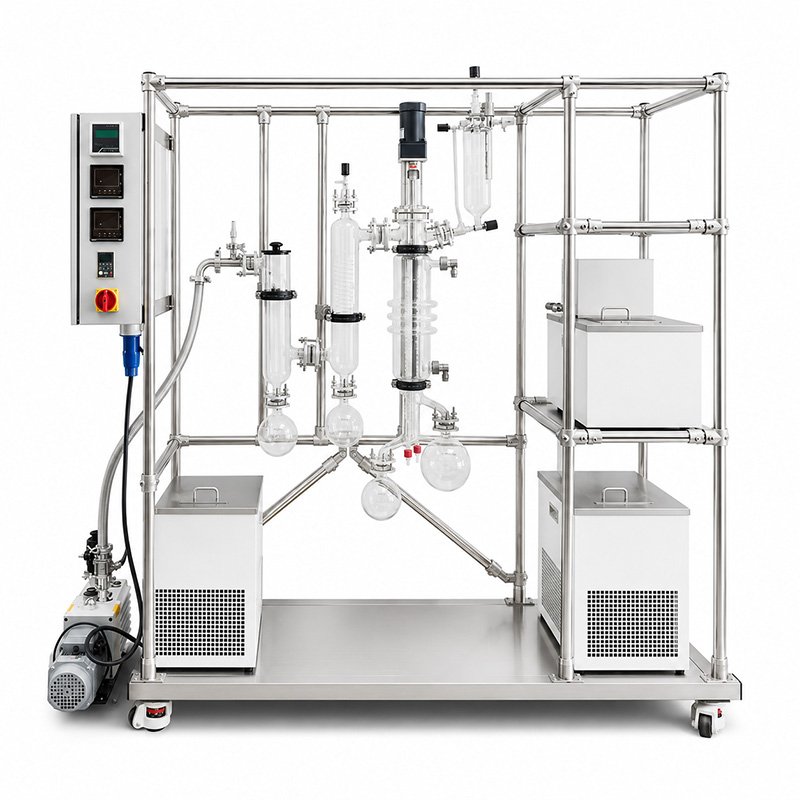
- Thin film evaporator, wiped film evaporator, short path distiller, or molecular distillation equipment can be reviewed after solvent recovery, depending on the final oil target.
Ethanol Recovery System Features

Configured according to batch volume, ethanol-to-oil ratio and daily solvent load.

From 0–9 L/h lab recovery to 2000 L/h industrial recovery.

Rotary evaporator, falling film and single-effect evaporator can be reviewed.

Vacuum, heating, cooling, condenser and receiving tank work as one system.

Helps reduce unnecessary ethanol loss in daily post-processing production.

SUS304 or SUS316L contact parts can be configured according to project requirements.

Reviewed according to solvent type, site layout and safety requirements.

Supports workflow planning before decarboxylation, distillation or crystallization.
Synchronize with Decarb & Distillation Lines
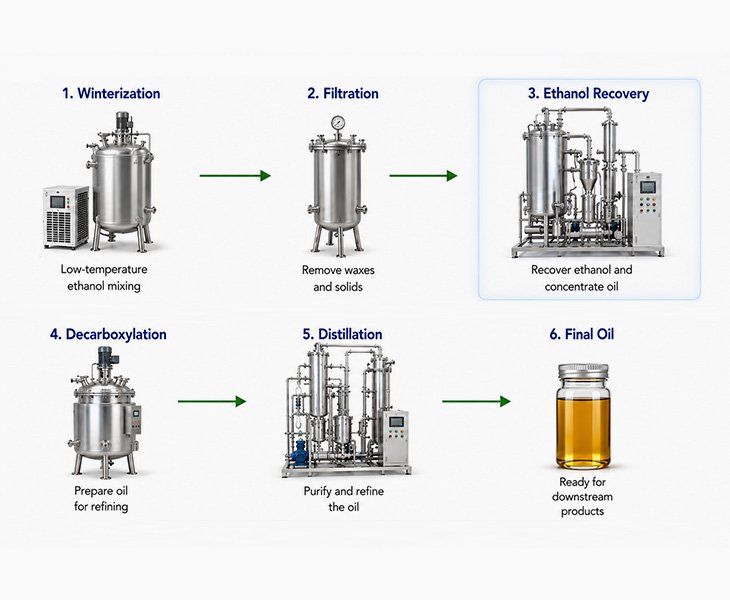
Our high-throughput ethanol recovery system delivers rapid continuous evaporation and recovery that perfectly matches the throughput of your front-end winterization unit, achieving zero material backlog after winterization, fully synchronized operating speed with decarb, distillation and crystallization lines, and stable maximized daily production capacity without unexpected line downtime.
Cut Ethanol Loss & Long-Term Operation Cost
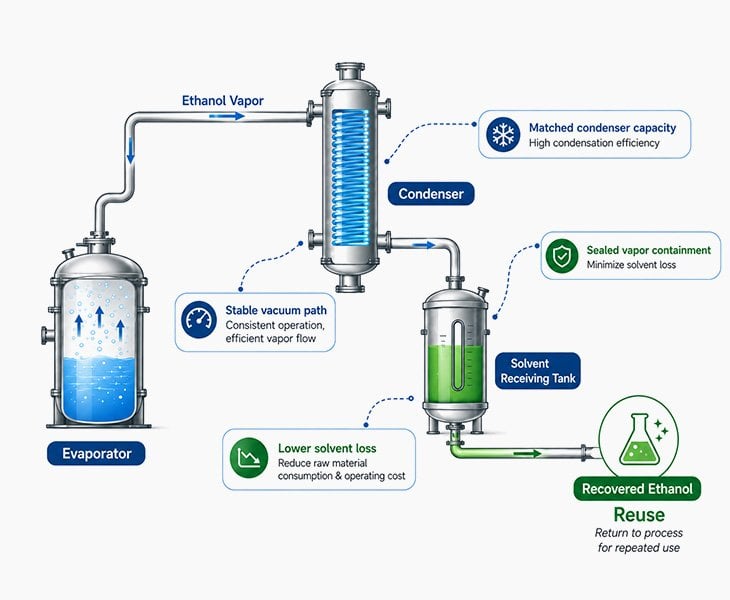
We provide a fully balanced overall system configuration: we calculate solvent load and conduct comprehensive process reviews to precisely match the capacity of every single component. Our optimized condensation and vacuum structure traps nearly all ethanol vapor, featuring a precisely matched evaporator, vacuum, heater, condenser, and recovery tank; minimal ethanol vapor loss to slash long-term raw material costs; and custom system sizing formulated strictly based on your actual daily solvent ethanol recovery system processing throughput.
Safer Ethanol Recovery System
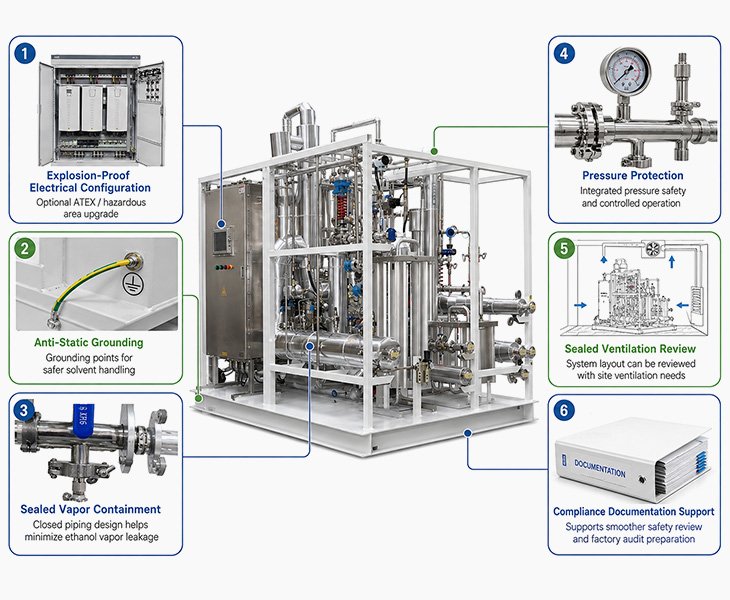
Ethanol is highly flammable, and mismatched electrical designs bring severe site safety risks & compliance delays. We conduct full safety reviews according to your solvent type, plant layout and local explosion-proof standards, providing complete ATEX and full explosion-proof electrical configuration as optional upgrades, equipped with standard anti-static grounding plus a fully sealed vapor containment design; meanwhile, we offer professional compliance documentation support for global chemical production safety codes. All anti-static parts, sealed ventilation and pressure protection can be fully integrated into your recovery system. Our ethanol recovery system meets global hazardous area requirements to eliminate fire hazards and pass factory safety audits smoothly.
HiURTB Post-Processing Equipment Support
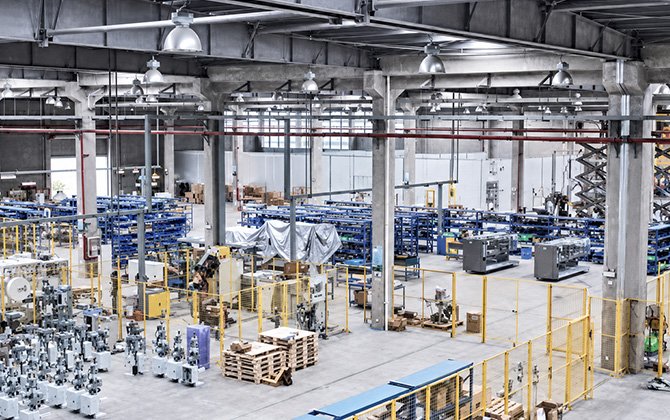
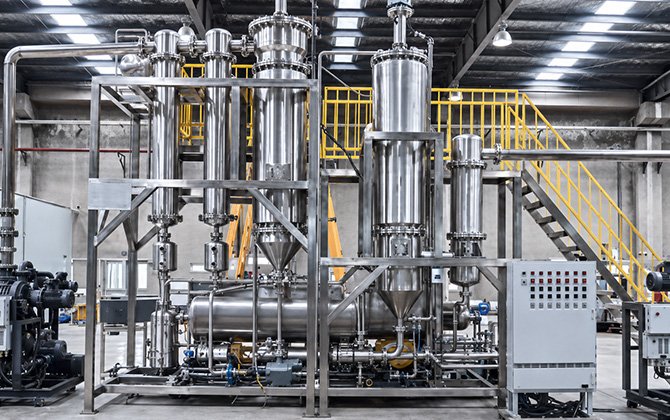
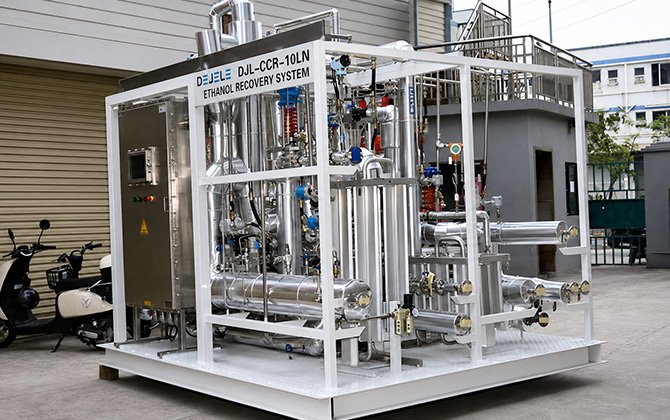
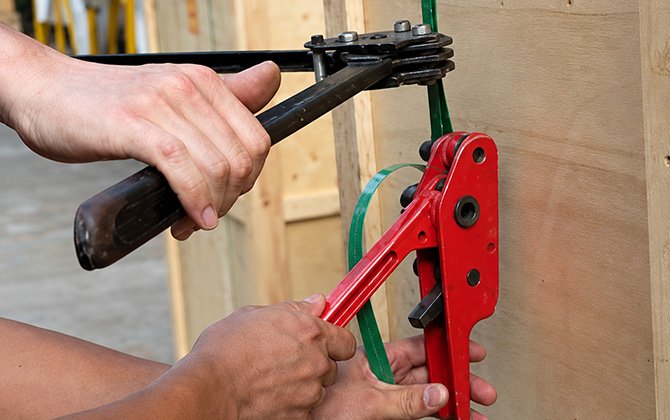
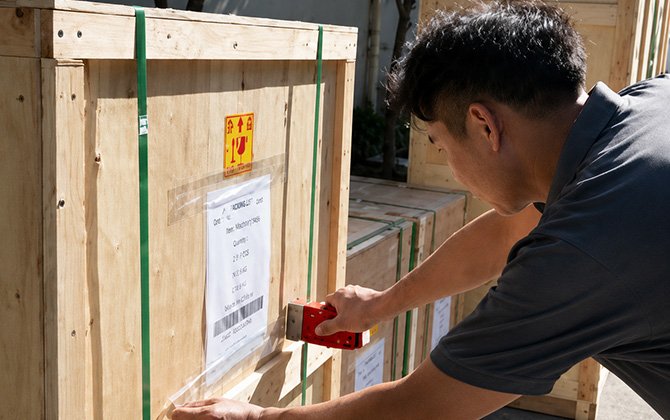
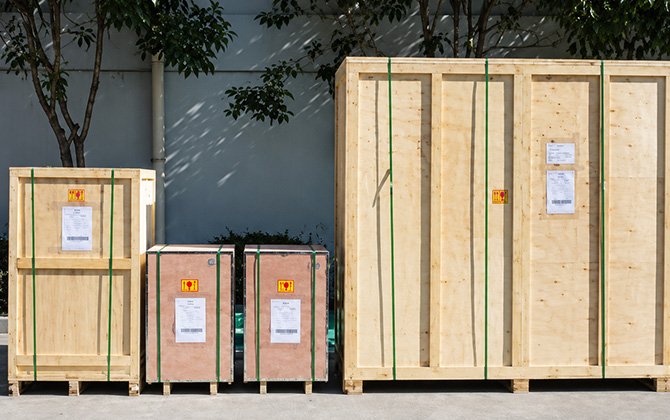
HiURTB not only provides an ethanol recovery machine, but can also support you with downstream post-processing equipment after CO2 extraction. The full post-processing workflow may include winterization, filtration, ethanol recovery, decarboxylation, distillation, crystallization, and related refining equipment. According to raw material type, crude oil output, ethanol ratio, target product, site condition, and budget, we help you confirm a more practical equipment configuration for real production needs.
For projects with higher material, safety, or documentation requirements, optional SUS304 or SUS316L contact parts, explosion-proof configuration discussion, cleaning design review, and downstream process integration can be reviewed according to the final project requirement.
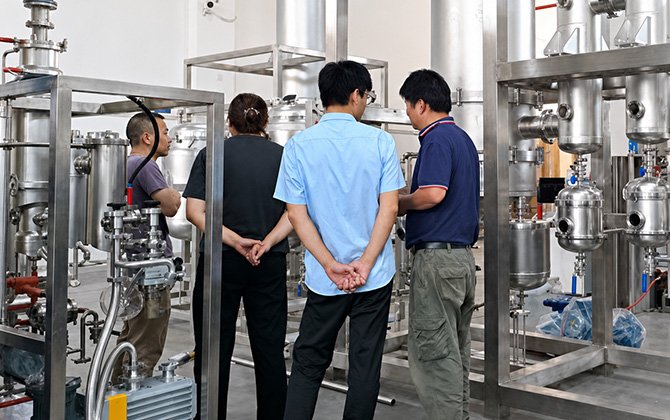
During project execution, HiURTB can support technical communication, equipment configuration review, factory FAT coordination, equipment drawings, operation manuals, material documents, packaging and delivery support, installation guidance, and operator training. Compared with only offering a single machine quotation, we focus more on practical project support from early process review to final equipment installation and production start-up. Contact us to discuss a suitable ethanol recovery system for your post-processing line.
Ethanol Recovery System for Different Post-Processing Projects
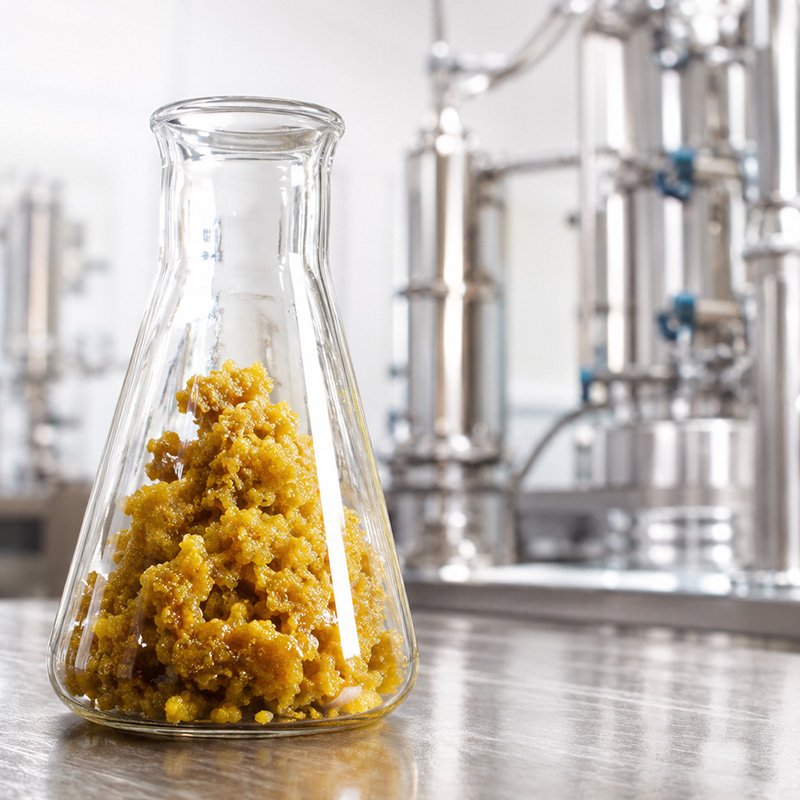
For winterized ethanol-oil mixture after filtration, ethanol recovery equipment can be matched with decarboxylation, distillation or crystallization requirements.
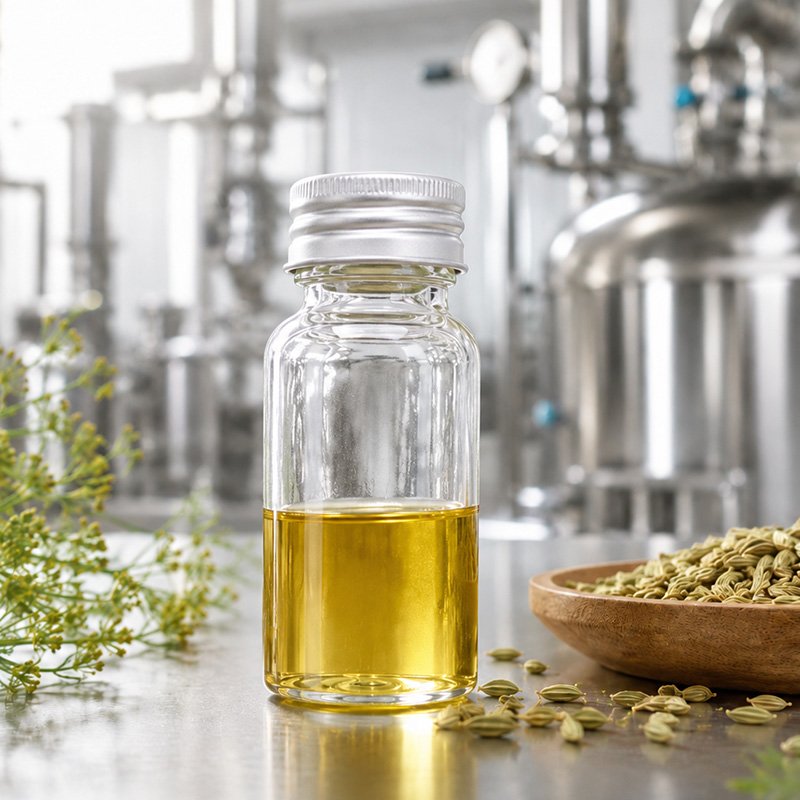
For botanical crude extract or ethanol-based extraction projects, the ethanol recovery or solvent recovery configuration can be reviewed according to solvent volume, recovery speed, heat sensitivity and target extract quality.
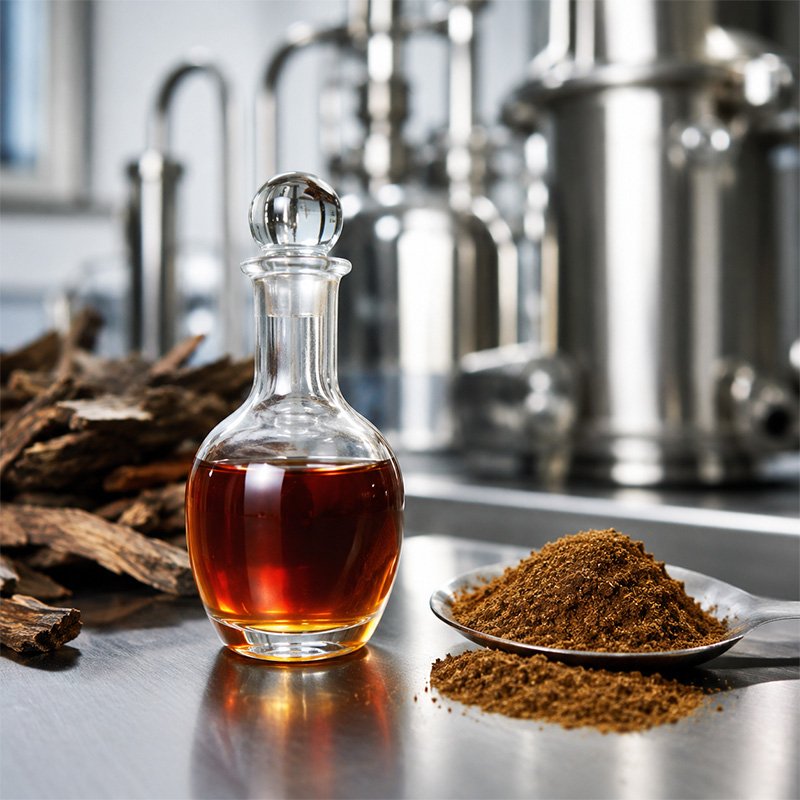
For aroma oil, terpene-rich extract, resin extract or natural ingredient projects, solvent recovery and downstream refining equipment can be reviewed together when ethanol or other solvents are used in the process.
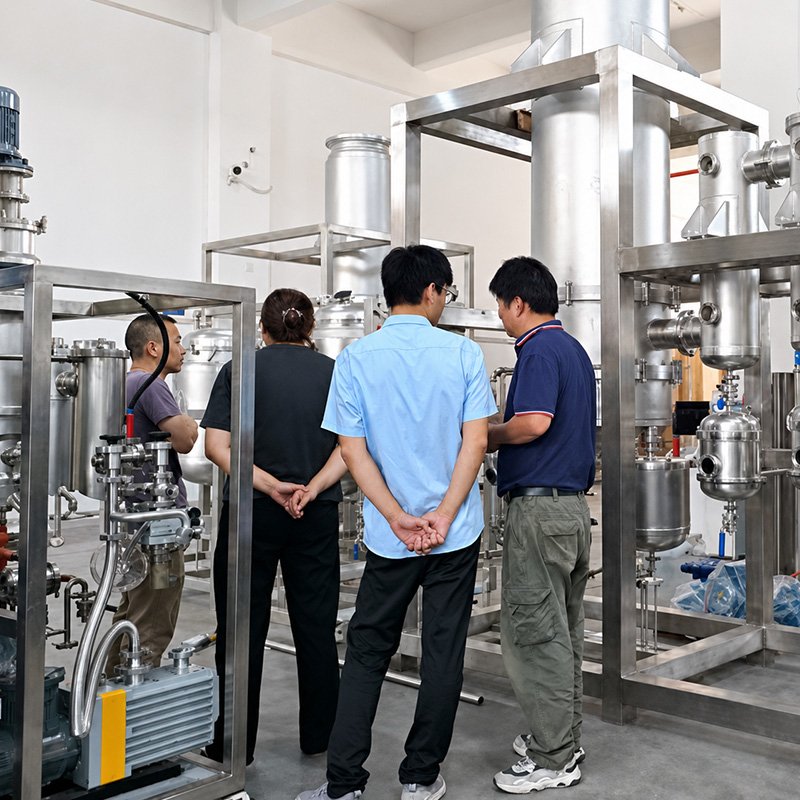
For GMP-ready or regulated projects, material selection, documentation, FAT support, cleaning design discussion, safety configuration, and installation support can be reviewed according to the project standard.
More About Our Ethanol Recovery System
- Ethanol Recovery System Selection
- What Information Is Needed Before an Ethanol Recovery System Quotation?
| Project Stage | Recommended Equipment | Ethanol Recovery Capacity | Suitable Project | Notes |
| Lab Test / R&D | Rotary Evaporator / Small Solvent Recycler | 0–9 L/h | Laboratory testing, R&D, small batch solvent recovery | Suitable for early-stage process testing and low solvent volume. |
| Small Batch Post-Processing | Rotary Evaporator or Batch Ethanol Recovery Systems | 0–9 L/h or customized | Small batch cannabis, hemp or botanical post-processing | Suitable when production volume is limited and operational flexibility is needed. |
| Pilot / Small Commercial Production | Falling Film Evaporator | 50–300 L/h | Pilot-scale or small commercial ethanol recovery | Suitable for faster ethanol recovery after winterization and filtration. |
| Medium to Large Commercial Production | Single-Effect Evaporator | 100–2000 L/h | Commercial post-processing with higher daily solvent load | Suitable for larger winterization volume and higher daily recovery demand. |
| GMP-Ready / Regulated Project | Customized ethanol recovery system | Customized | GMP-ready or regulated cannabis, hemp or botanical projects | Material, documentation, safety and process integration can be reviewed together. |
| Information Needed | Why It Matters | Typical Details to Confirm |
| Daily crude oil output | Defines the daily winterized solution volume that needs solvent recovery. | kg/day or L/day crude oil output |
| Ethanol-to-oil ratio | Defines the total solvent load after winterization. | Common ratios such as 1:3, 1:5 or 1:10 |
| Solvent type | Affects evaporation temperature, sealing, safety and recovery design. | Ethanol, heptane, pentane or other solvents |
| Target recovery capacity | Defines the required ethanol recovery speed per hour. | L/h ethanol recovery capacity |
| Working hours per day | Helps calculate the required hourly recovery capacity. | 8 hours, 12 hours, 24 hours or batch operation |
| Heating method | Affects evaporation efficiency and product protection. | Electric heating, thermal oil, hot water or jacket heating |
| Vacuum requirement | Affects evaporation speed and solvent recovery efficiency. | Vacuum level or vacuum pump configuration |
| Condenser and cooling condition | Affects solvent vapor condensation and recovery stability. | Cooling water, chiller, condenser type or cooling temperature |
| Solvent receiving tank | Affects continuous operation and solvent collection convenience. | Receiving tank volume and discharge method |
| Material and sealing | Affects corrosion resistance, cleaning and solvent compatibility. | SUS304 or SUS316L contact parts, ethanol-compatible seals |
| Control and operation mode | Affects operation convenience and automation level. | Manual, semi-automatic, PLC, batch or continuous operation |
| Explosion-proof requirement | Affects electrical design and safety configuration. | Optional explosion-proof configuration according to solvent and site |
| Cleaning requirement | Affects maintenance, product changeover and long-term operation. | Easy cleaning, detachable parts or cleaning method |
| Downstream process | Defines how the recovered oil connects to the next step. | Decarboxylation, distillation, crystallization or other refining process |
Recovered ethanol may be reused after proper collection, storage and quality review. If higher solvent purity is required, additional filtration, testing or rectification can be reviewed. The actual reuse method depends on solvent quality, process requirements, and the customer’s internal production standard.
Ethanol is commonly used in cannabis, hemp and botanical post-processing, but other solvents such as heptane or pentane may also be reviewed according to the process. Different solvents have different boiling points, vapor behavior, sealing requirements and safety risks, so the final equipment configuration should be checked by solvent type.
Recovered solvent quality may be affected by feed material condition, solvent type, evaporation temperature, vacuum condition, condenser performance, receiving tank cleanliness and operation method. If the recovered solvent needs to be reused in production, quality review, testing, or further purification may be required.
SUS304 can be used for many standard solvent recovery projects, while SUS316L contact parts can be configured according to solvent type, project standard or customer requirement. For higher-standard, regulated or corrosive-process projects, material selection should be reviewed before final quotation.
Not every solvent recovery project needs a rectification tower.
If the recovered ethanol quality is suitable for internal reuse, simple recovery and collection may be enough.
If the recovered ethanol needs higher purity, ethanol reproofing, dewatering, or separation from mixed solvents, a rectification tower or fractional distillation system can be reviewed according to the process requirement.
Yes. Besides cannabis and hemp post-processing, solvent recovery equipment can also be reviewed for botanical extract, natural ingredient and CO2 essential oil-related projects. The final configuration depends on solvent volume, heat sensitivity, recovery speed, target extract quality and downstream refining process.
HiURTB can support GMP-ready project discussion through material selection, equipment documentation, FAT support, drawings, manuals, cleaning design discussion and installation guidance. Final GMP compliance also depends on factory layout, SOPs, validation documents, production management and local regulatory requirements.
HiURTB can help with equipment configuration review, quotation, technical communication, equipment manufacturing, FAT coordination, drawings, operation manuals, material documents, delivery support, installation guidance and operator training according to the final confirmed equipment configuration.
What Is an Ethanol Recovery System?
An ethanol recovery system is used to remove and recover ethanol from the ethanol-oil mixture after winterization and filtration. In cannabis, hemp and some botanical post-processing projects, it helps concentrate the winterized oil and prepare it for downstream refining steps such as decarboxylation, distillation or crystallization.
Where Is Ethanol Recovery Used in Post-Processing?
In cannabis, hemp and botanical crude oil post-processing, solvent recovery is usually located after winterization and filtration.
The typical process is:
CO2 Crude Oil → Ethanol Mixing / Winterization → Filtration → Solvent Recovery → Decarboxylation → Distillation / Crystallization
Winterization helps remove waxes and other unwanted components. Filtration removes waxes and solids from the ethanol-oil mixture. After filtration, the remaining ethanol must be recovered before the oil can move into decarboxylation, distillation, crystallization or other downstream refining steps.
If the solvent recovery step is too slow, winterized solution may accumulate and the downstream production line may wait for material.
Main Components of an Ethanol Recovery System
A complete ethanol recovery system usually includes evaporation equipment, heating system, vacuum pump, condenser, process chiller, solvent receiving tank, control system and optional safety configuration. These components work together to evaporate ethanol from the ethanol-oil mixture, condense ethanol vapor back into liquid form, and collect the recovered solvent for further review or reuse.
Solvent Recycler vs Ethanol Recovery System
A solvent recycler usually refers to a smaller standalone machine used for simple solvent recovery. It may be suitable for lab use, cleaning solvent recovery, waste solvent recycling or small batch production.
An ethanol recovery system is a more complete post-processing configuration for cannabis, hemp or botanical crude oil projects. It may include an evaporator, heating system, vacuum pump, condenser, chiller, solvent receiving tank, control system and optional safety configuration. Compared with a simple solvent recycler, an ethanol recovery system needs to match winterization volume, ethanol-to-oil ratio, working hours, recovery capacity and downstream process requirements.
For commercial post-processing, the equipment should not be selected as a single solvent recovery machine only. A matched solvent recovery system or ethanol recovery system is usually needed to keep winterization, filtration, decarboxylation, distillation or crystallization better connected.
Common Ethanol Recovery Mismatch Problems
Winterization Tank Is Large, But Solvent Recovery Equipment Is Too Small
This is one of the most common problems. If the winterization tank produces more ethanol-oil mixture than the recovery equipment can process, the whole post-processing line may be blocked. The downstream decarboxylation or distillation equipment may wait for material, even when the extraction and winterization steps are working normally.
Vacuum Pump Is Not Properly Matched
Slow ethanol recovery is not always caused by the evaporator itself. If the vacuum pump is too small or unstable, the evaporation process may be slow. Raising the heating temperature alone may not solve the problem and may also affect oil quality.
Condenser Cooling Is Not Enough
Solvent vapor must be condensed efficiently after evaporation. If condenser capacity or cooling temperature is not properly matched, ethanol vapor may not be recovered efficiently. This may reduce recovery stability and create additional safety concerns.
Solvent Receiving Tank Is Too Small
A small receiving tank may require frequent stopping and discharging. This increases operation workload and affects continuous production. For larger solvent recovery projects, receiving tank volume and discharge method should be reviewed together.
Solvent Type Is Not Reviewed
Different solvents have different boiling points, vapor behavior, sealing requirements and safety risks. Ethanol, heptane, pentane and other solvents should not be treated as the same. Equipment configuration should be reviewed according to solvent type and project safety requirements.
Batch Recovery vs Continuous Recovery
Batch solvent recovery is usually more flexible and suitable for lab, R&D, small batch production or projects with changing process conditions. It is easier to operate but may have limited hourly recovery capacity.
Continuous or larger-capacity ethanol recovery systems are more suitable for commercial projects with stable daily solvent load. They can help improve production efficiency, but it requires better matching between winterization, filtration, evaporation, condensation and downstream refining.
The final choice depends on solvent volume, working hours, recovery speed target, site condition and budget.
Safety and Explosion-Proof Review
Ethanol and some other solvents are flammable. For ethanol recovery system projects, explosion-proof configuration, ventilation, grounding, electrical design, condenser capacity and local safety requirements should be reviewed before final equipment selection.
Explosion-proof configuration can be discussed according to solvent type, site layout and project requirements. The final safety design should also follow local regulations and the customer’s facility requirements.
From Project Information to System Configuration
Before recommending equipment, HiURTB first reviews the customer’s crude oil output, ethanol ratio, solvent type, working hours, recovery speed target, heating method, vacuum requirement, condenser condition and downstream process.
The basic workflow can be:
Project Information → Solvent Load Calculation → Process Review → Equipment Selection → System Configuration → FAT / Delivery → Installation Guidance / Training
This helps avoid choosing equipment by model only and makes the ethanol recovery system better matched with winterization, filtration, decarboxylation, distillation or crystallization workflow.

