
Why HiURTB for Decarboxylation Reactor Solutions
- Process-Oriented Engineering
- Customized Reactor Sizing
- Agitator & Vacuum Optimization
- Heat Transfer & Temperature Design
- Turnkey Process Integration
- Scale-Up Engineering Support
Your Professional Decarboxylation Reactor Manufacturer
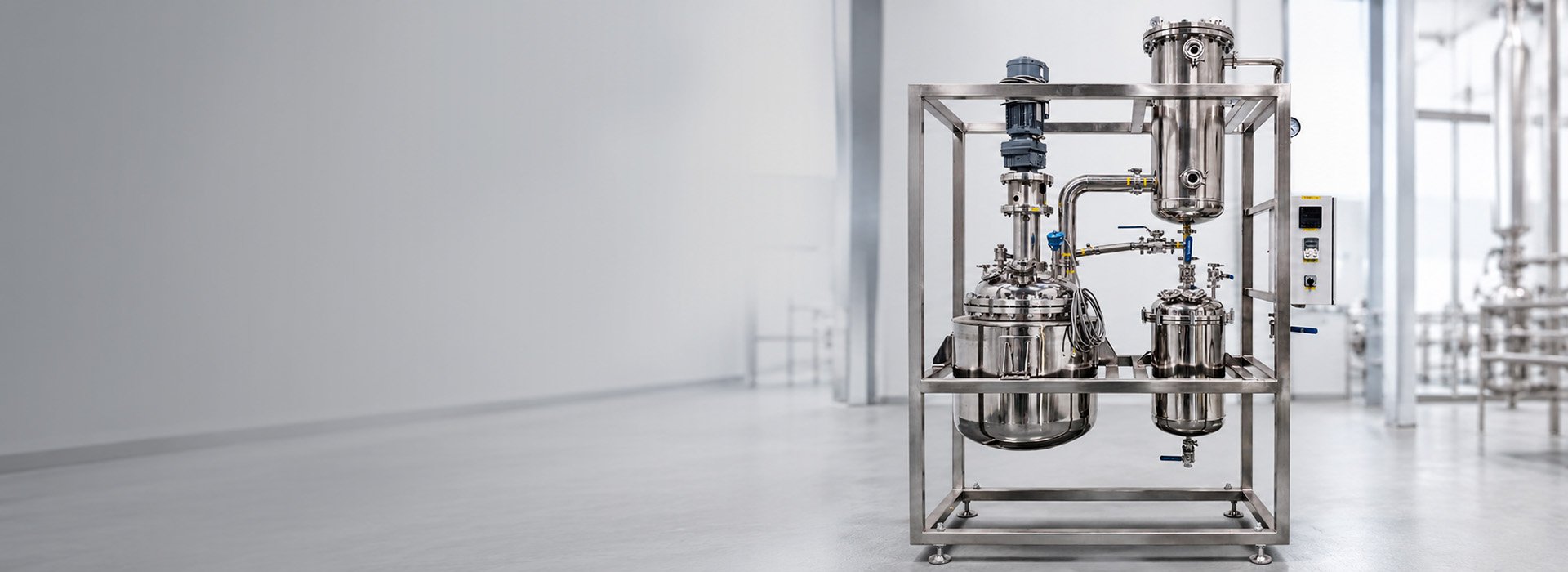
HiURTB provides industrial decarboxylation reactor solutions for cannabinoid and botanical extract processing. Our systems range from pilot-scale reactors to complete industrial decarboxylation machines and systems.
We engineer each system around your material characteristics, target capacity, process requirements, and downstream workflow.
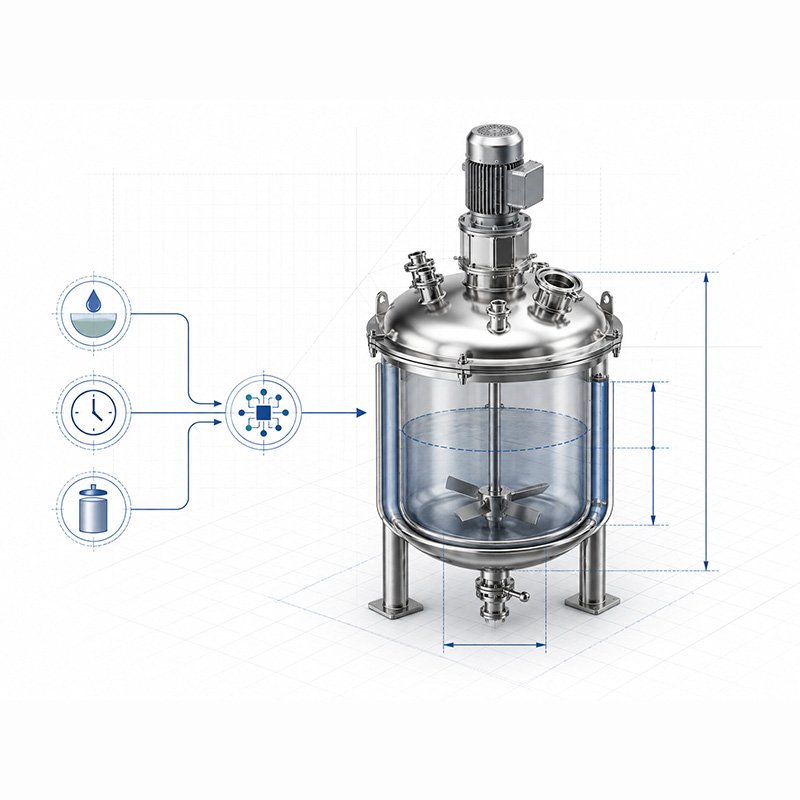
We recommend reactor size, agitation, vacuum configuration, heating method, and automation based on your process requirements.
Utilities and process interfaces are also considered for smooth integration with upstream and downstream equipment.
Each decarboxylation reactor is manufactured according to the confirmed technical solution and drawings. The vessel, piping, instrumentation, vacuum, heating, and control systems are configured and manufactured as one integrated system.
Contact us to discuss your process requirements. We help you establish a controlled, repeatable, and scalable decarboxylation process for consistent production.
Our Products
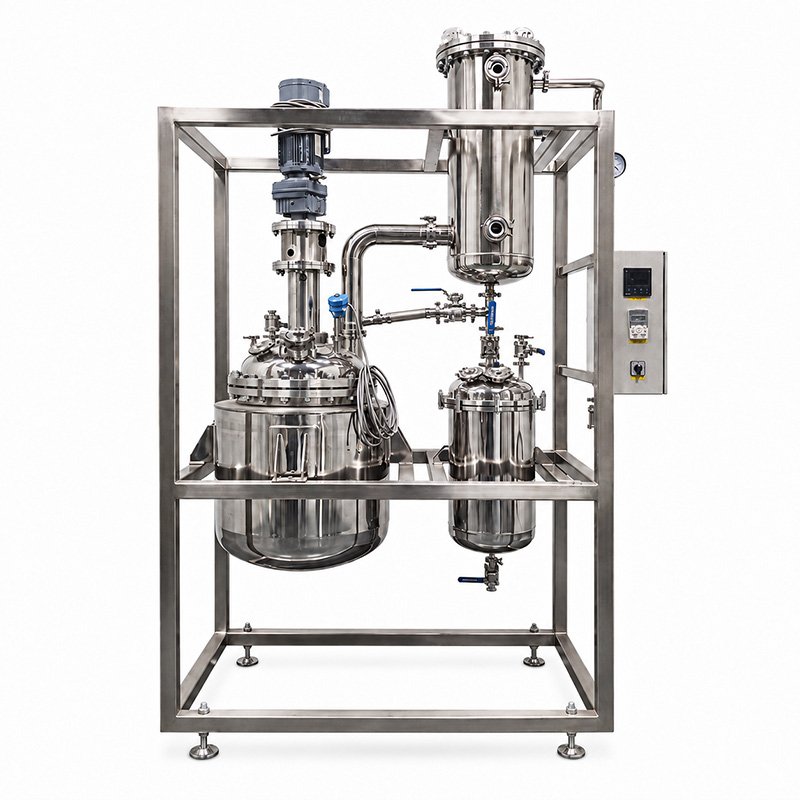
Operating pressure: -0.1 to 0.1 MPa.
Designed for controlled cannabinoid activation under reduced pressure, with stable vapor management and optional removal of residual solvents and moisture.
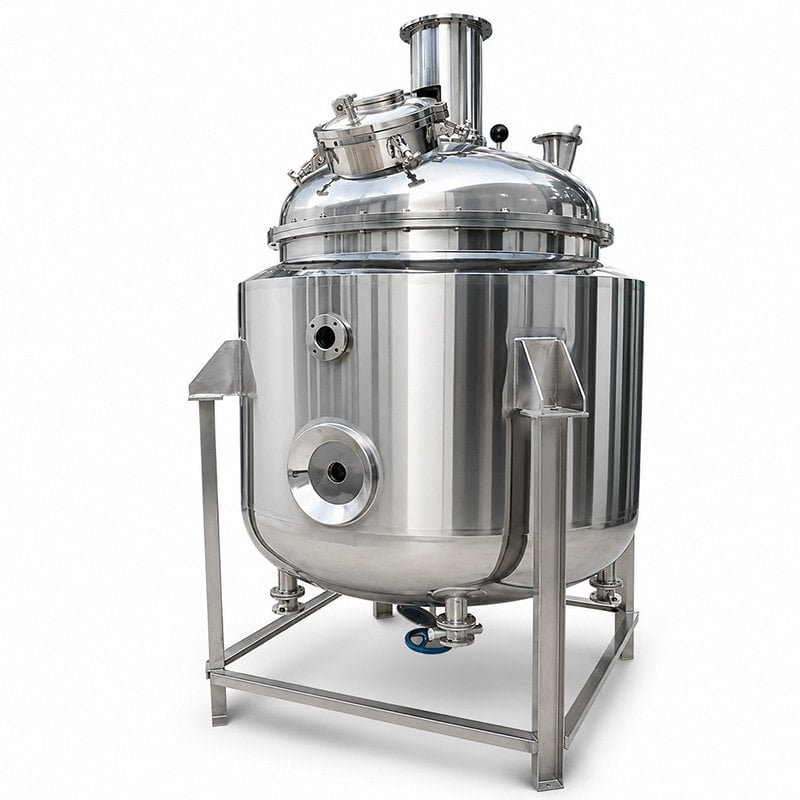
Operating temperature: -20 to 200°C.
A temperature-controlled jacketed reactor with customized agitation for uniform heating and reliable processing of viscous cannabinoid and botanical extracts.
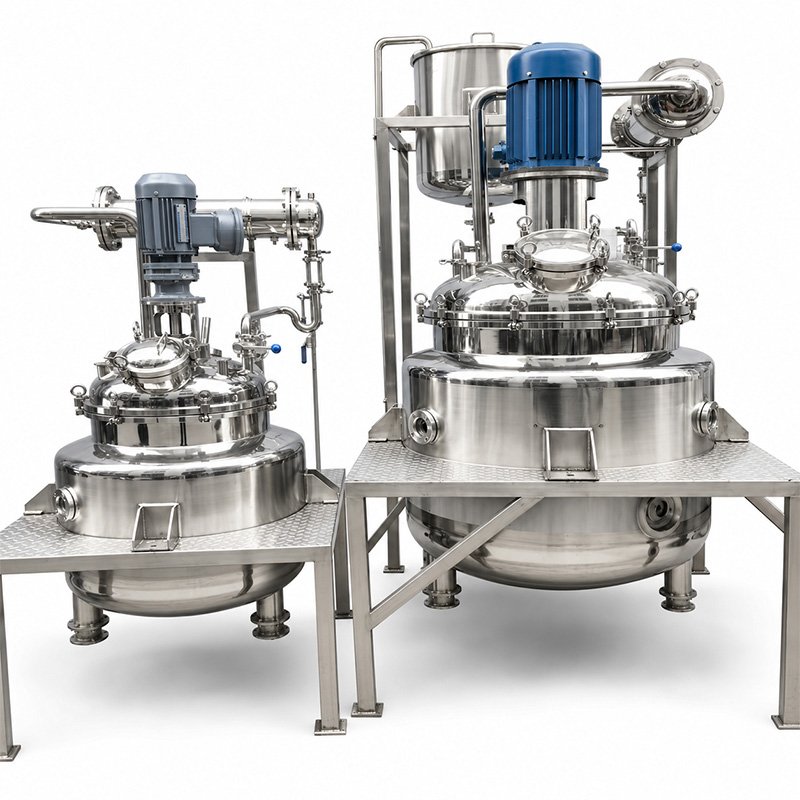
Available in standard reactor volumes from 100 L to 300 L, with SS316 product-contact parts, variable-speed agitation, vacuum operation, condenser, receiving vessel, and customizable process controls.
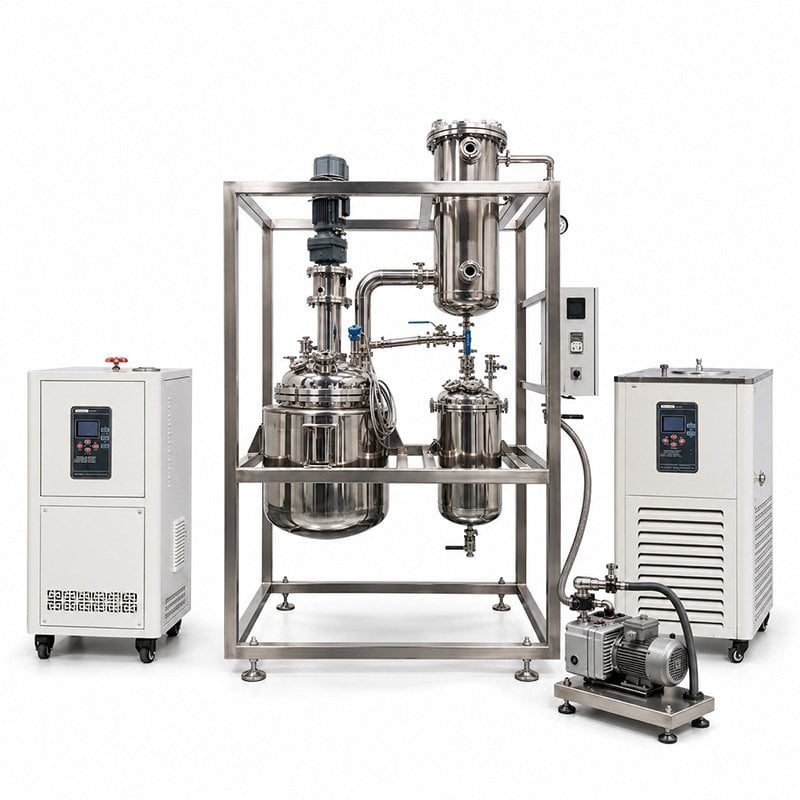
A complete decarboxylation equipment package integrating the reactor, heating unit, vacuum system, condenser, collection vessel, controls, and process connections.
Decarboxylation Reactor Features for Stable Processing

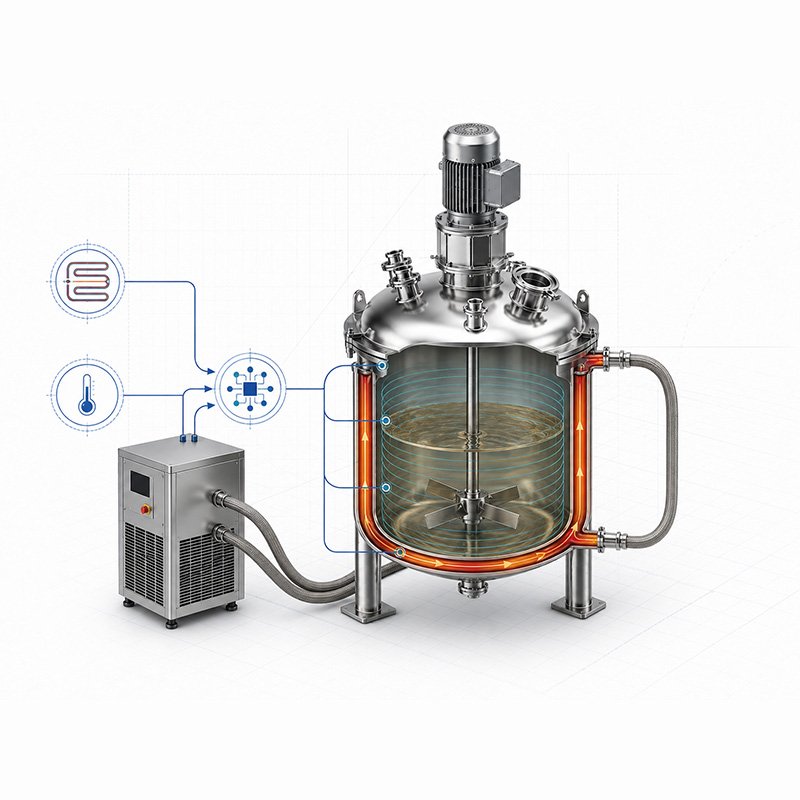
The jacketed heating design maintains even temperature distribution throughout the batch.

Adjustable agitation improves heat and mass transfer in viscous extracts.

Controlled vacuum supports gentler processing and stable vapor release.

Adequate headspace, controlled heating ramps, and vapor handling help reduce excessive foaming.

Programmable process control helps reproduce consistent operating conditions across batches.

Closed processing and controlled thermal exposure help manage unnecessary volatile loss.

The vacuum and condensation system supports removal of residual solvents and moisture before distillation.

Temperature ramps, holding time, agitation, and vacuum can be managed through programmable recipes.
Achieve Repeatable Decarboxylation
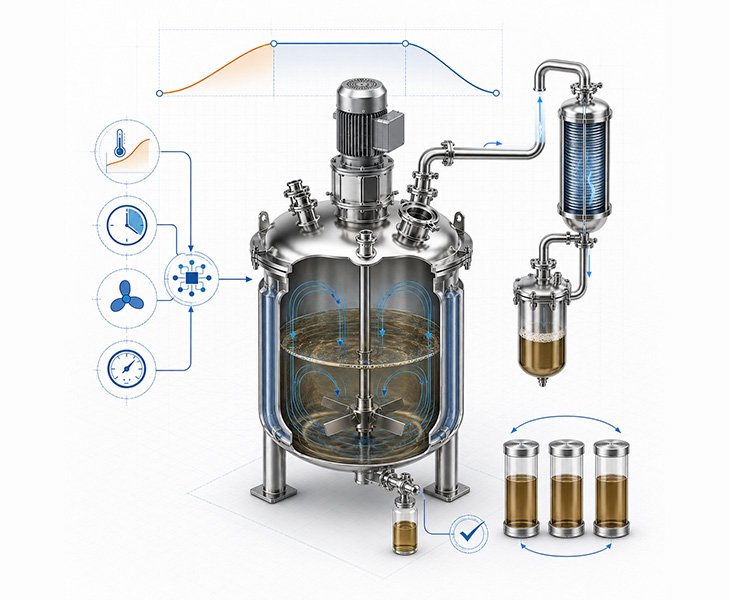
Our decarboxylation reactors coordinate temperature and ramp rate, holding time, agitation, vacuum, and vapor handling to maintain controlled processing conditions throughout each batch.
Customized mixing supports uniform heat and mass transfer even with high-viscosity extracts, while controlled vacuum and vapor management help reduce excessive foaming, carryover, and unnecessary thermal exposure.
Process parameters can be programmed and repeated for consistent operation, with sampling points available for end-point confirmation.
The result is more uniform cannabinoid conversion, reduced risk of overheating and degradation, greater batch-to-batch consistency, and a more reliable process for downstream distillation.
Integrated with Your Extraction Line
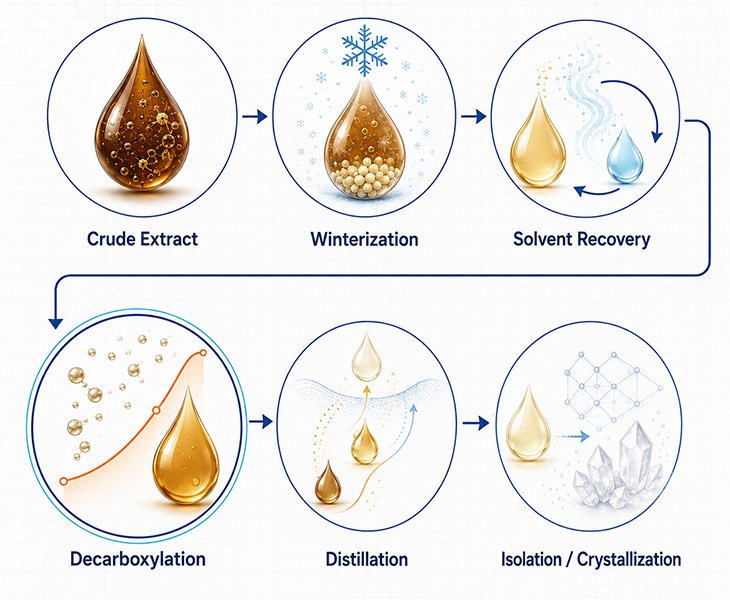
Our decarboxylation reactor can be engineered as a standalone unit or integrated into a complete extraction and post-processing line. We match reactor capacity, material transfer, heating, vacuum, utilities, and process interfaces with your upstream solvent recovery and downstream distillation equipment.
For new facilities or existing line upgrades, our system can be customized around your current process and future production capacity. Our integrated approach reduces equipment mismatches and unnecessary material handling, while creating a smoother workflow from crude extract to refined cannabinoids or isolates.
Repeatable Scale-Up
Scaling up decarboxylation is more than increasing reactor volume.
HiURTB engineers the decarboxylation reactor system around your target throughput, material viscosity, and production schedule.
We evaluate heat transfer, agitation, batch capacity, and cycle time to maintain consistent processing as production increases. Heating, cooling, vacuum, power, and automation requirements are matched to the selected reactor and operating conditions.
We also consider equipment layout, process connections, and space for future expansion from the beginning.
This engineering approach helps reduce scale-up risks, avoid capacity and utility mismatches, and build a decarboxylation system that can grow with your production needs.
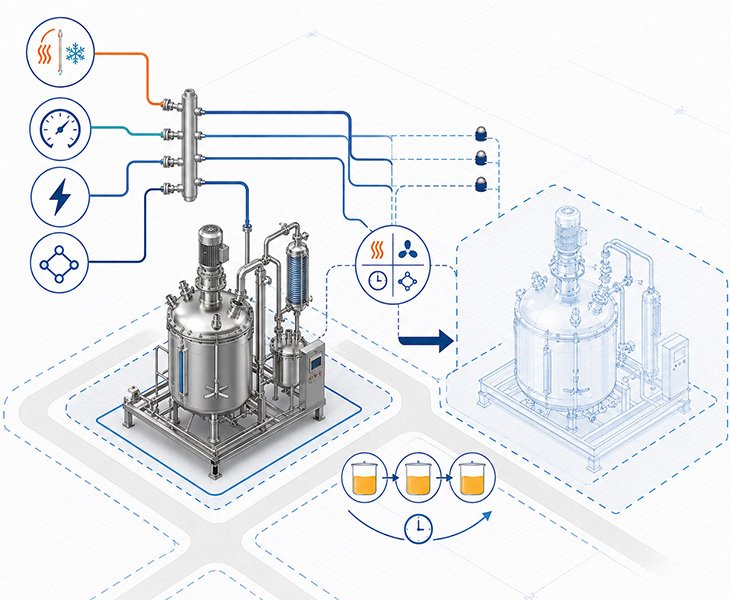
Testing, Installation & Lifecycle Support
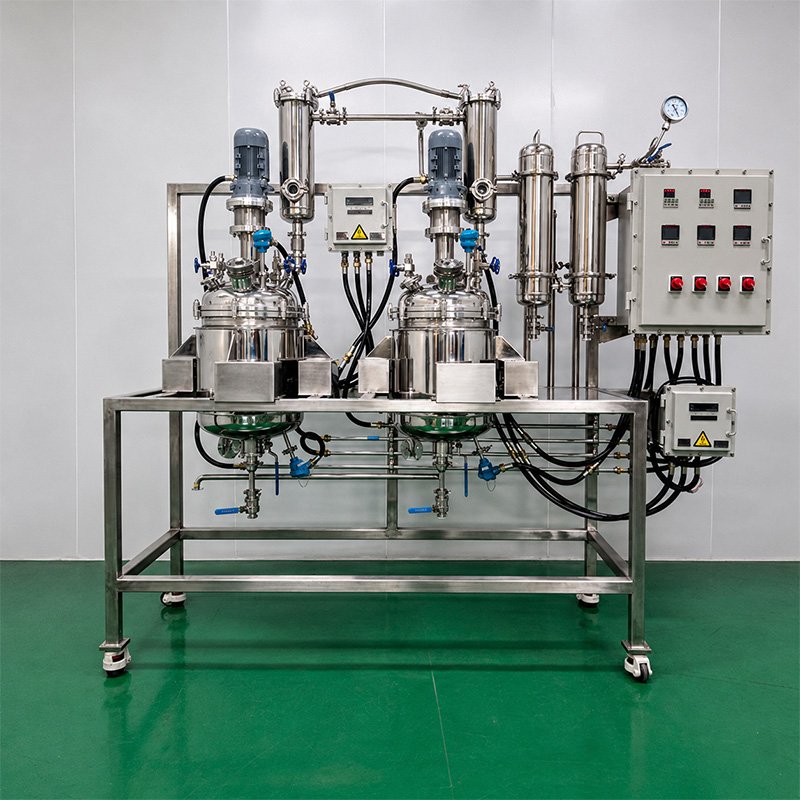
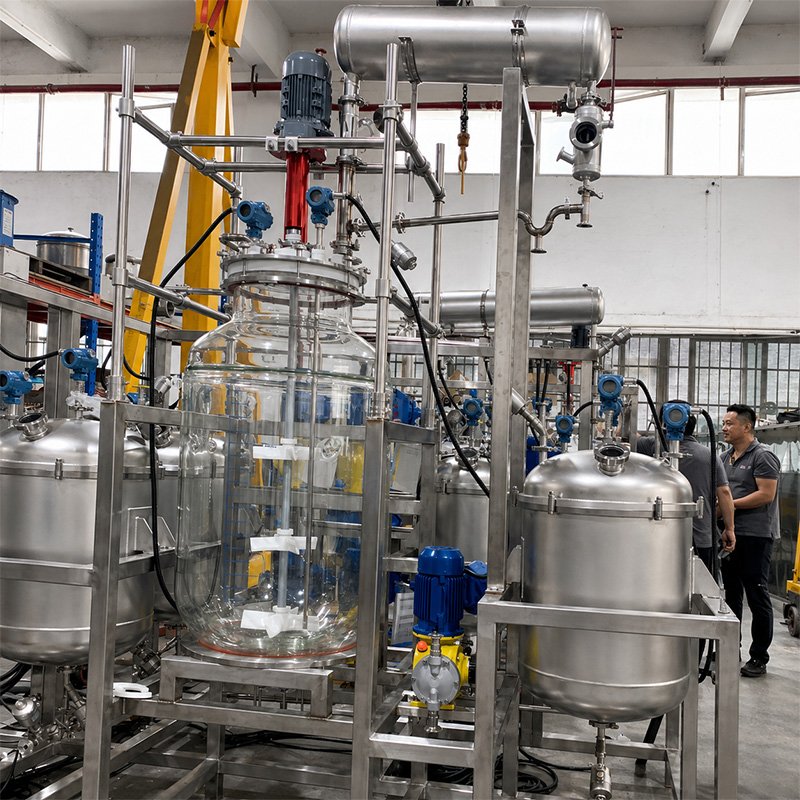
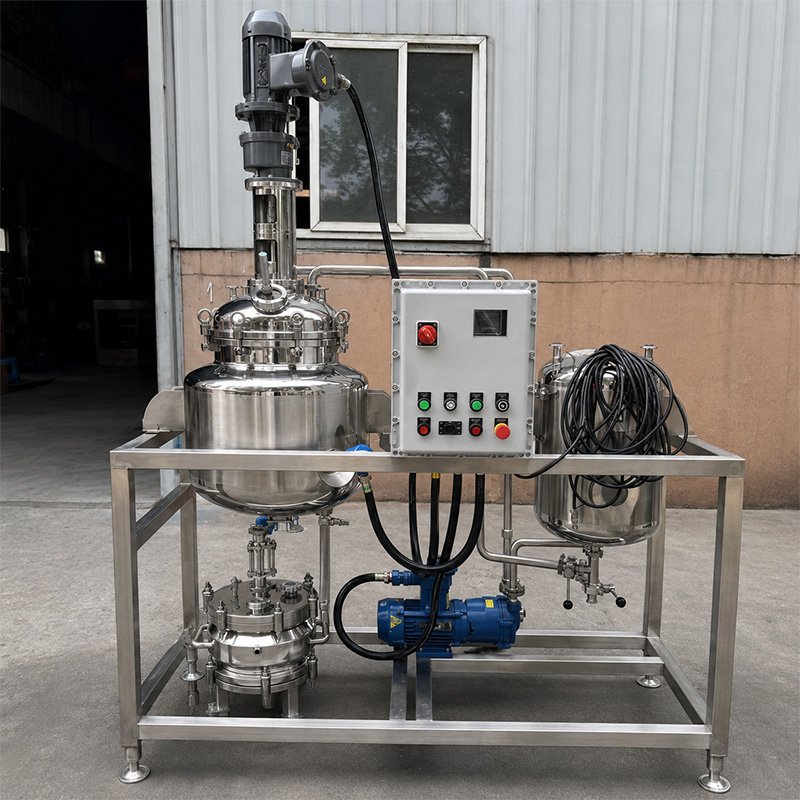
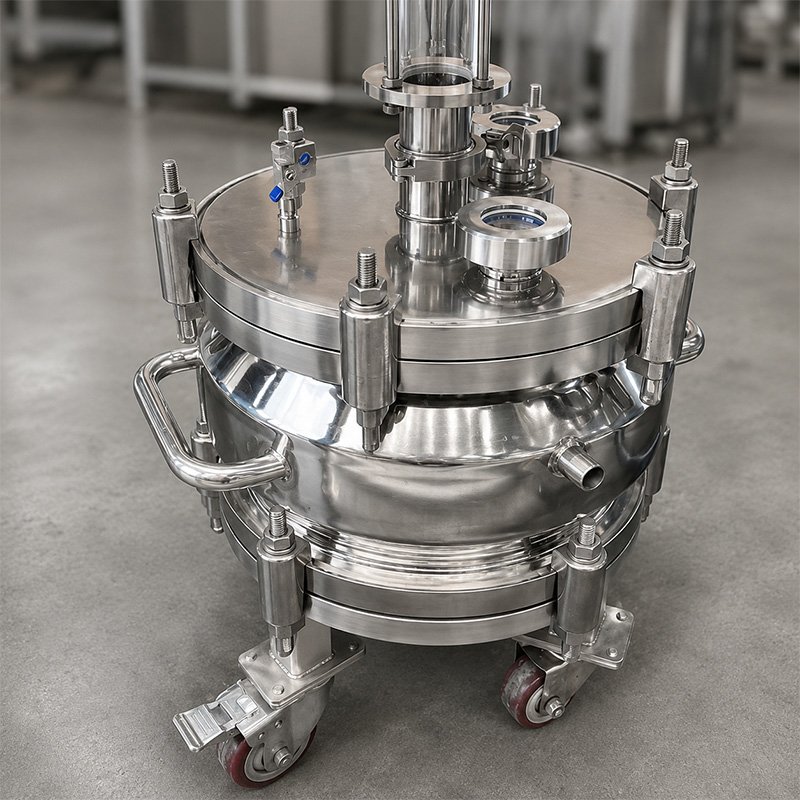
Testing
Before shipment, each system undergoes inspection and functional testing. Heating, agitation, vacuum, controls, alarms, and other specified functions are checked through FAT to identify and resolve potential issues before delivery.
Installation & Commissioning
We provide installation and commissioning guidance, with on-site engineering support available when required. For integrated projects, we also assist with connections between the decarboxylation reactor and upstream or downstream equipment.
Operator Training
Operator training covers system operation, parameter and recipe settings, cleaning, routine inspection, troubleshooting, and basic maintenance, helping your team operate the system correctly and independently.
After-Sales Support
After commissioning, we continue to provide remote technical support, troubleshooting, spare parts, maintenance guidance, and engineering assistance for future process adjustments or capacity expansion.
Decarboxylation Reactor Applications
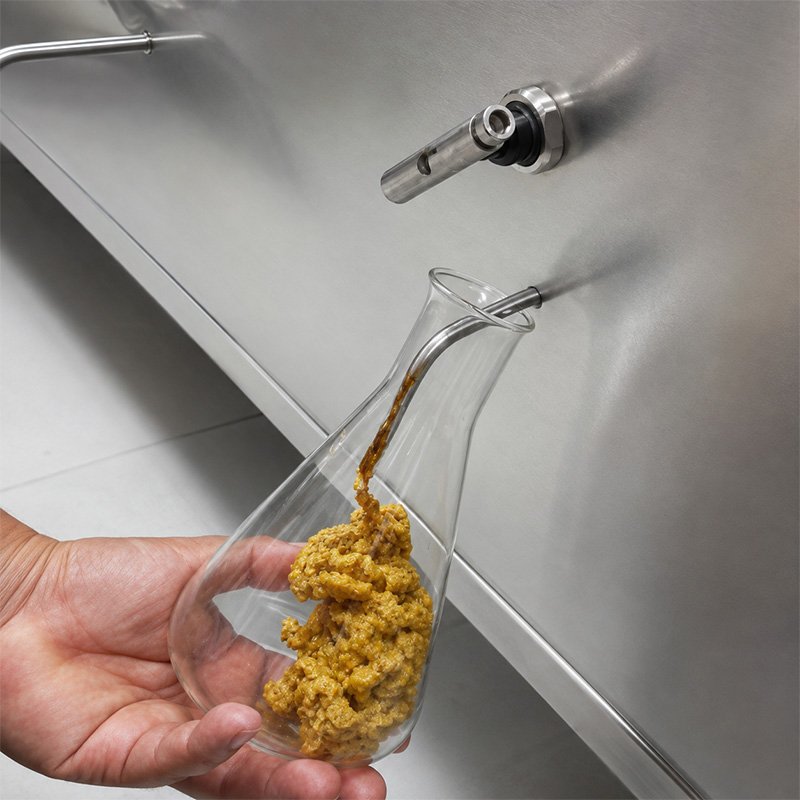
Our cannabis decarboxylation machine provides controlled heating, agitation, vacuum, and vapor management for THCA decarboxylation and other cannabinoid extract processing before downstream refining.
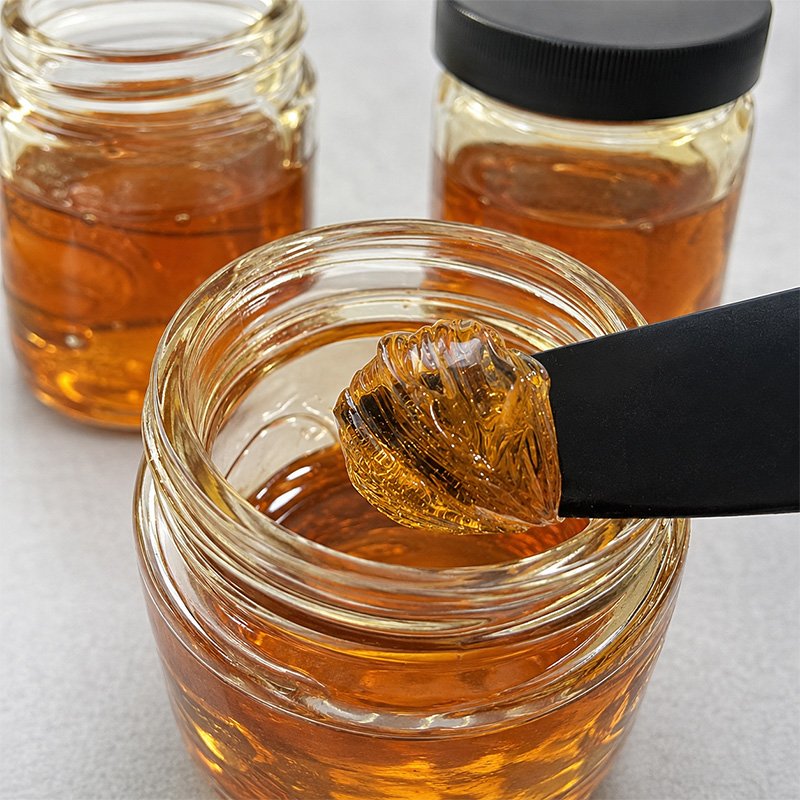
Prepare cannabinoid extracts for downstream short path, wiped film, or molecular distillation through controlled decarboxylation and vapor management.
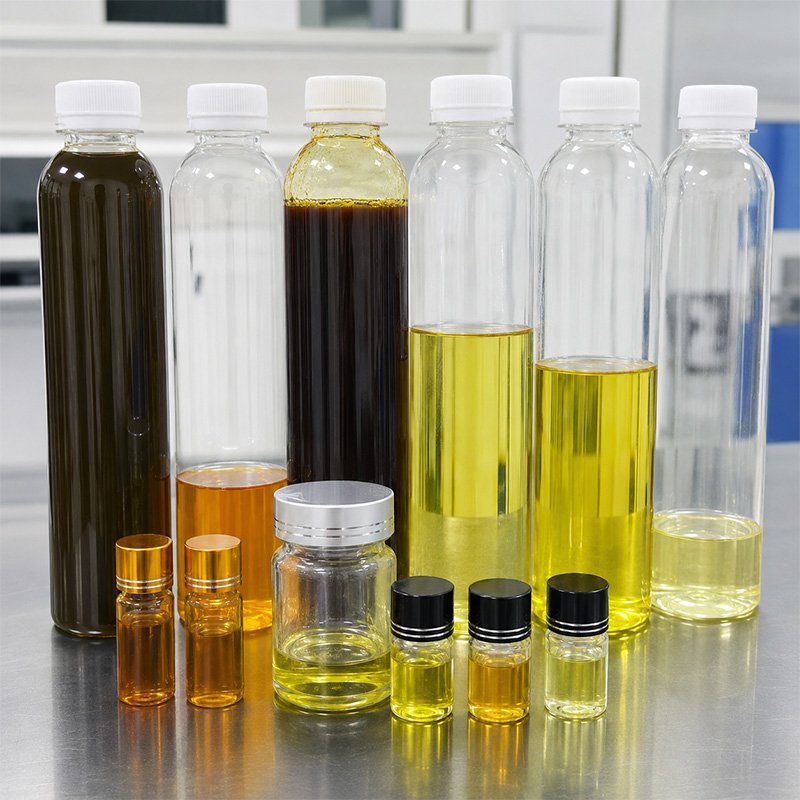
Suitable for selected botanical extracts and natural compounds that require controlled thermal decarboxylation as part of their processing route.
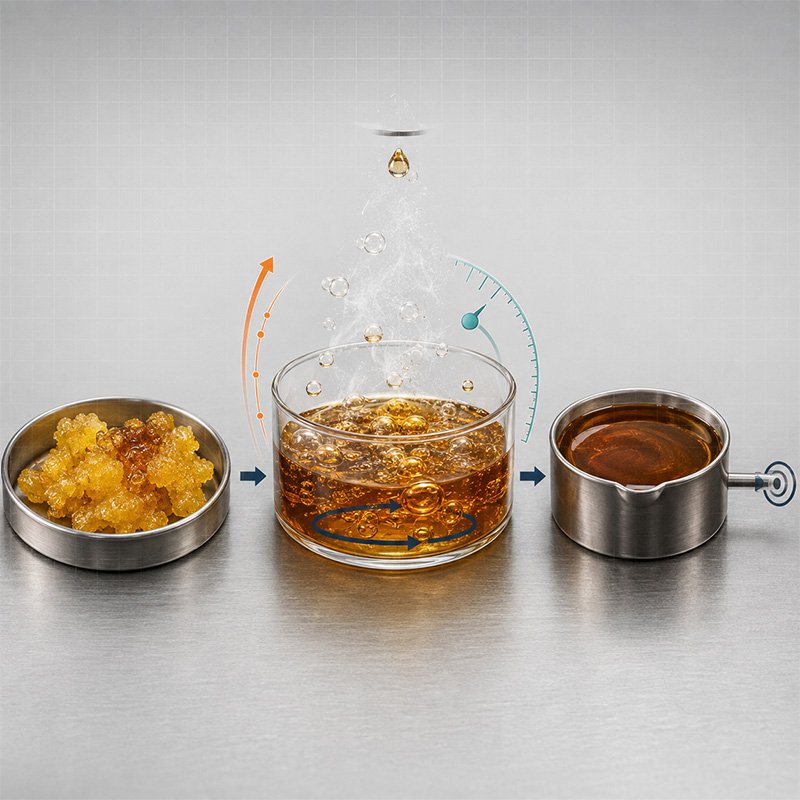
Condition extracts before downstream distillation through controlled decarboxylation, vapor management, and reduction of residual volatiles.
More About Our Decarboxylation Reactor
Actual working volume depends on your feed characteristics, viscosity, foaming behavior, required headspace, and operating conditions. Nominal reactor volume should not be treated as actual batch capacity.
Standard specifications are shown for reference. Reactor volume, agitation, heating, vacuum system, condenser capacity, receiving vessel, automation, electrical supply, and process connections can be customized according to your material, target throughput, and process requirements.
- Pilot & Small-Batch Decarboxylation Reactors
- Industrial Decarboxylation Reactors
| Specification | IDR-10S | IDR-20S | IDR-30S | IDR-50S |
| Nominal Reactor Volume | 10 L | 20 L | 30 L | 50 L |
| Product-Contact Material | SS316 | SS316 | SS316 | SS316 |
| Other Stainless-Steel Parts | SS304 | SS304 | SS304 | SS304 |
| Agitator Drive | Magnetic Drive | Magnetic Drive | Magnetic Drive | Magnetic Drive |
| Seal Type | Static Seal | Static Seal | Static Seal | Static Seal |
| Operating Pressure | -0.1–0.1 MPa | -0.1–0.1 MPa | -0.1–0.1 MPa | -0.1–0.1 MPa |
| Operating Temperature | -20–200°C | -20–200°C | -20–200°C | -20–200°C |
| Agitation Speed | 80–460 rpm | 80–460 rpm | 80–460 rpm | 80–350 rpm |
| Agitator Motor | 200 W | 200 W | 370 W | 750 W |
| Condenser Area | 0.3 m² | 0.3 m² | 0.5 m² | 1 m² |
| Receiving Vessel | 10 L | 10 L | 20 L | 30 L |
| Power Supply | 220V, 1 Phase | 220V, 1 Phase | 220V, 1 Phase | 220V, 1 Phase |
| Specification | IDR-100S | IDR-200S | IDR-300S |
| Nominal Reactor Volume | 100 L | 200 L | 300 L |
| Product-Contact Material | SS316 | SS316 | SS316 |
| Other Stainless-Steel Parts | SS304 | SS304 | SS304 |
| Agitator Drive | Magnetic Drive | Magnetic Drive | Magnetic Drive |
| Seal Type | Static Seal | Static Seal | Static Seal |
| Operating Pressure | -0.1–0.1 MPa | -0.1–0.1 MPa | -0.1–0.1 MPa |
| Operating Temperature | -20–200°C | -20–200°C | -20–200°C |
| Agitation Speed | 80–350 rpm | 80–350 rpm | 80–350 rpm |
| Agitator Motor | 1.5 kW | 1.5 kW | 1.5 kW |
| Condenser Area | 2 m² | 3 m² | 3 m² |
| Receiving Vessel | 50 L | 100 L | 100 L |
| Power Supply | 380V, 3 Phase | 380V, 3 Phase | 380V, 3 Phase |
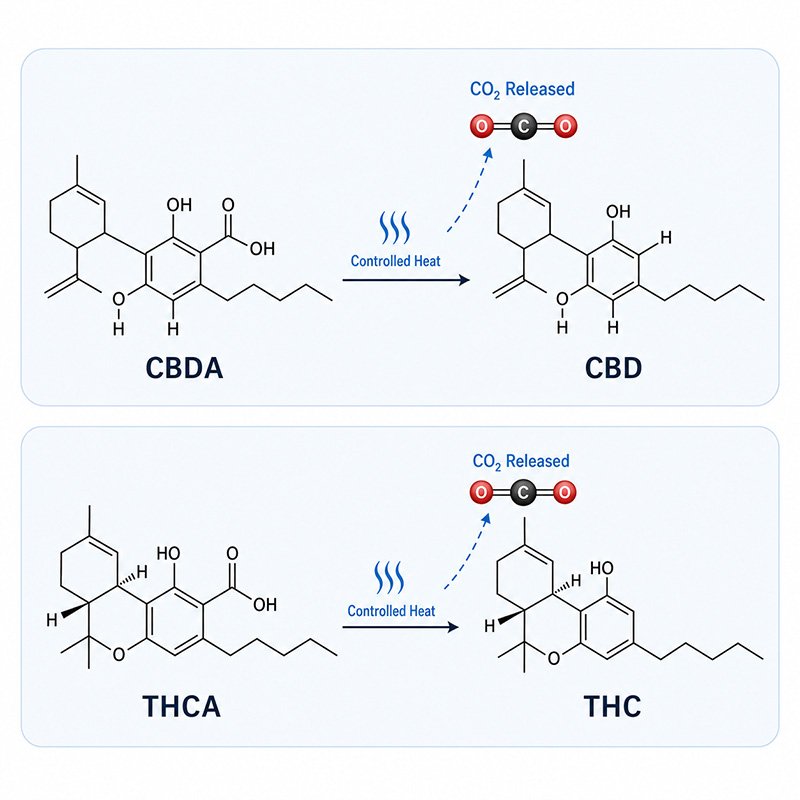
A decarboxylation reactor is a controlled processing vessel used to heat extracts and convert acidic cannabinoids such as THCA and CBDA into their neutral forms, THC and CBD. Industrial systems typically combine heating, agitation, vacuum, and vapor handling to achieve controlled processing before downstream refining.
Vacuum in a decarboxylation reactor helps manage the release of moisture, residual solvents, and other volatile compounds during heating. When properly controlled with temperature and agitation, it supports stable vapor removal, reduces unnecessary thermal exposure, and provides greater control over the overall process.
Batch time in a decarboxylation reactor depends on material characteristics, batch volume, heating rate, target temperature, vacuum, agitation, and the required endpoint. Total cycle time should include heating, holding, vapor release, and discharge, so capacity selection should be based on required daily throughput rather than vessel volume alone.
There is no single decarboxylation temperature suitable for every process. The operating temperature of a decarboxylation reactor should be selected together with holding time, vacuum conditions, material characteristics, and the required endpoint. Controlled heating and ramp rates help achieve the required conversion while reducing unnecessary thermal degradation.
Yes. A decarboxylation reactor equipped with controlled heating and vacuum can help remove small amounts of residual ethanol and other volatile solvents remaining after primary solvent recovery. However, it should not normally replace the main solvent recovery system when significant quantities of solvent are still present.
Yes. Heating and vacuum allow residual moisture to leave the extract as vapor. A properly configured decarboxylation reactor can therefore support moisture reduction during processing, while the vacuum and condensation system manages the vapors generated. Actual removal performance depends on the material, operating conditions, and vapor load.
CO2 is released during the reaction, while residual solvent, moisture, and other volatiles may also vaporize. This off-gassing can cause rapid foam expansion inside a decarboxylation reactor. Controlled heating ramps, vacuum regulation, adequate headspace, agitation, and properly sized vapor-handling components help reduce excessive foaming and product carryover.
A well-designed decarboxylation reactor uses uniform jacketed heating, suitable agitation, accurate temperature control, and controlled heating ramps to minimize hot spots and excessive thermal exposure. Temperature and holding time should also be matched to the feed material and desired endpoint rather than using the same settings for every batch.
A decarboxylation reactor with controlled temperature, vacuum, and closed vapor handling can help manage the release of volatile compounds during processing. Where terpene recovery is required, an appropriately designed condensation or collection system can also be integrated. The configuration should be selected according to the target product and downstream process.
Agitator selection for a decarboxylation reactor depends on extract viscosity, vessel geometry, batch volume, operating temperature, and required mixing performance. The goal is to maintain sufficient product movement for effective heat and mass transfer while reducing temperature differences and poorly processed zones within the batch.
The right decarboxylation reactor capacity depends on working volume, feed quantity, batch cycle time, daily throughput, operating hours, and the capacities of upstream and downstream equipment. Future expansion should also be considered so the selected system fits both current production requirements and planned growth.
Yes. A decarboxylation reactor can be integrated upstream of wiped film or short path distillation. Capacity, discharge method, material transfer, operating temperature, vacuum requirements, and process connections should be considered together so the two processing stages are properly matched and unnecessary intermediate handling is minimized.
A decarboxylation reactor can be designed with smooth internal surfaces, sanitary connections, suitable discharge points, and accessible cleaning ports. Depending on vessel size, material characteristics, and production requirements, cleaning may be performed manually or with an optional CIP system to simplify routine cleaning and product changeovers.
A vacuum decarboxylation reactor provides greater control over vapor removal during processing and can assist with residual solvent and moisture removal. Controlled vacuum can also support gentler processing conditions and more stable vapor management. Its suitability depends on the feed material, target product, throughput, and downstream refining requirements.
Industrial Decarboxylation Reactor Selection & Scale-Up Guide
Industrial decarboxylation is more than heating a material to a target temperature for a fixed period of time. Stable production requires coordinated control of temperature, holding time, agitation, pressure or vacuum, vapor release, and material characteristics.
For cannabinoid processing, these factors directly affect conversion consistency and the quality of feed entering downstream refining. As your production grows, heat transfer, cycle time, utilities, automation, equipment integration, and future expansion also become important.
This section explains how feed conditions, production capacity, vapor load, and downstream requirements affect decarboxylation reactor configuration and scale-up. For a detailed explanation of the reaction stages and operating variables, read our complete guide to how the decarboxylation process works.
What Is Decarboxylation?
Decarboxylation removes a carboxyl group from a molecule, usually releasing CO2.
In cannabinoid processing, THCA is converted to THC and CBDA is converted to CBD.
An industrial decarboxylation reactor provides controlled heating, agitation, vacuum management, and vapor handling so this conversion can be carried out under repeatable production conditions.
Why Is Decarboxylation Important in Extract Processing?
Consistent decarboxylation helps produce a more uniform feed for downstream distillation, isolation, or formulation. Variations in cannabinoid conversion, residual moisture, residual solvent levels, and other volatiles can cause different batches to behave differently during refining.
Industrial decarboxylation should therefore be treated as a controlled unit operation between upstream solvent recovery and downstream refining—not simply as an additional heating step.
How Does a Decarboxylation Reactor Work?
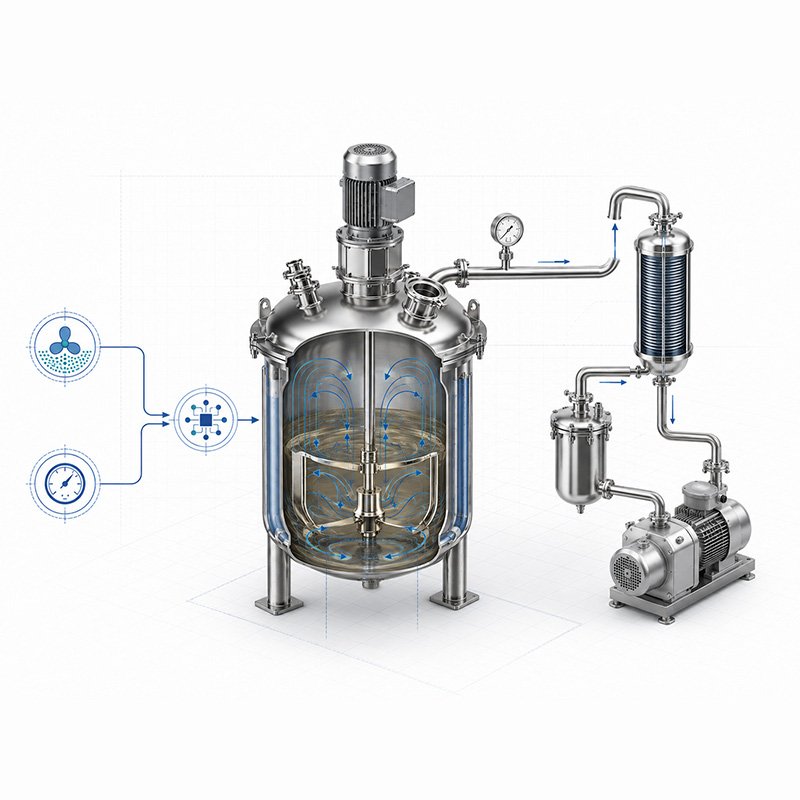
A decarboxylation reactor combines jacketed heating, agitation, temperature monitoring, vacuum control, and vapor handling in one controlled system.
A heating medium circulating through the jacket transfers heat to the extract, while the agitator maintains product movement and improves temperature uniformity.
As decarboxylation proceeds, released gases and vapors leave the reactor through the vapor outlet.
Condensable vapors are cooled in the condenser and collected in the receiving vessel, while CO2 and other non-condensable gases continue through the controlled vent or vacuum line.
The required configuration depends on feed viscosity, residual solvent and moisture, foaming behavior, batch size, and downstream refining requirements.
How Process Requirements Affect Decarboxylation Reactor Configuration
Your operating requirements determine how the decarboxylation reactor should be configured:
- Feed viscosity affects agitator type, motor power, and mixing performance.
- Batch volume and foaming behavior determine the required working volume and headspace.
- Residual solvent, moisture, and vapor load affect vacuum control, condenser capacity, and receiving-vessel size.
- Heating rate and operating temperature affect jacket design and heating-system capacity.
- Required repeatability determines the level of temperature, vacuum, recipe, and automation control.
- Endpoint verification may require suitable sampling ports and process monitoring.
HiURTB evaluates these conditions together rather than selecting a reactor by nominal vessel volume alone.
Vacuum or Atmospheric Decarboxylation
Atmospheric or mild vacuum operation may be sufficient when the feed has undergone effective solvent recovery and contains relatively little moisture or volatile material.
Controlled vacuum may be more suitable when residual volatiles must be removed or when the material requires managed vapor release before downstream distillation. However, stronger vacuum is not automatically better, because rapid vapor release can increase foaming and product carryover.
The vacuum system, condenser, receiving vessel, available headspace, and heating ramp should therefore be selected together according to the feed condition and expected vapor load.
Engineering Considerations for Industrial Scale-Up
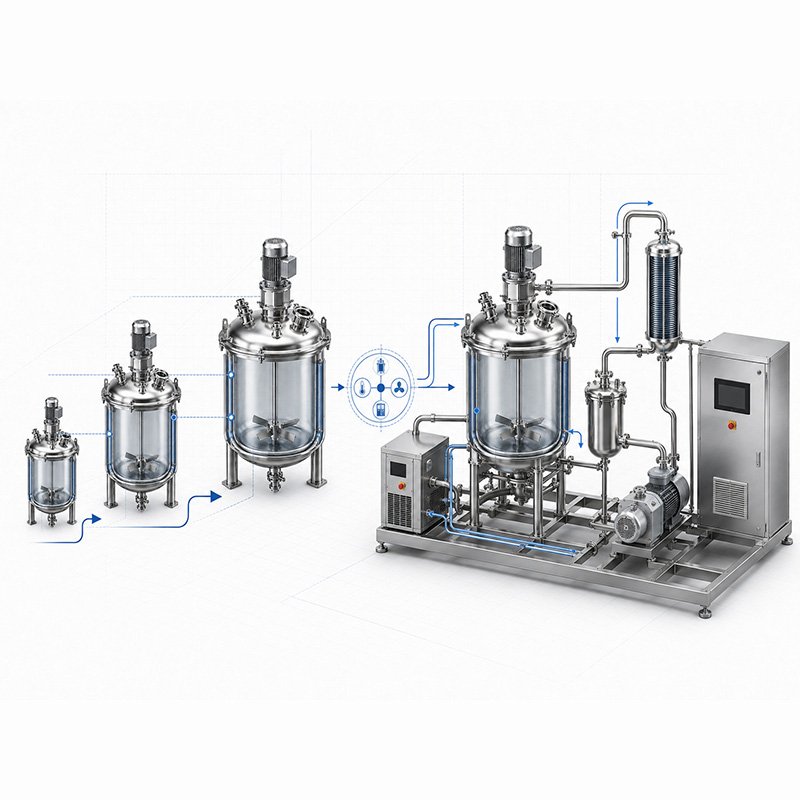
Scaling a decarboxylation reactor from pilot production to commercial capacity is not as simple as multiplying vessel volume.
As batch size increases, the relationship between vessel volume and heat-transfer area changes. Mixing behavior changes. Vapor load increases. Heating and cooling requirements grow, and the complete batch cycle may become longer.
Heat Transfer & Mixing
For example, increasing from a 20 L pilot reactor to a 200 L production reactor does not mean you can simply process ten times the material using identical operating conditions.
The larger system may require a different jacket area, agitator design, motor torque, heating capacity, and operating recipe to achieve comparable processing conditions.
Batch Capacity & Cycle Time
Nominal reactor volume is not the same as productive daily capacity.
Your actual cycle may include:
Loading → Controlled Heat-Up and Vapor Release → Holding → Discharge → Cleaning
For example, if your target is 300 L of extract per day, purchasing a nominal 300 L reactor does not necessarily mean one batch per day will achieve the target. Working volume, required headspace, cycle duration, and number of operating hours all need to be calculated.
Utilities & Automation
A larger reactor also requires matching utilities.
If heating capacity, cooling, vacuum, electrical supply, or condenser capacity are undersized, a larger vessel can actually create longer cycle times rather than greater production efficiency.
The goal of scale-up is therefore repeatable performance at higher throughput, not simply a larger tank.
How to Choose the Right Decarboxylation Reactor
Choosing the right decarboxylation reactor should start with your required output rather than a nominal vessel size.
Your material type and viscosity, batch quantity, target daily throughput, operating hours, heating method, vacuum requirement, vapor load, automation level, cleaning requirements, and upstream and downstream equipment should all be considered.
For example, suppose you need to process 300 L of crude extract per day.
A nominal 300 L reactor should not be assumed to process 300 L in one batch, because sufficient headspace must be reserved for gas release and foam expansion.
Using 70% of nominal volume as an initial sizing reference, the estimated working volume would be approximately 210 L per batch.
The final allowable loading volume should still be confirmed according to feed condition and foaming behavior.
Cycle duration, available operating hours, cleaning time, and downstream capacity must then be considered to determine whether the project requires multiple batches or parallel reactors.
The correct sizing logic is therefore:
Daily Throughput → Available Production Hours → Cycle Time → Working Volume → Reactor Configuration
This approach helps avoid both undersized equipment and unnecessarily large investment.
Integration with Solvent Recovery and Distillation
A decarboxylation reactor normally operates as one part of your complete post-processing line.
A typical cannabinoid workflow may be:
Crude Extract → Winterization → Filtration → Solvent Recovery → Decarboxylation → Distillation → Isolation / Crystallization
The capacities of these stages should be coordinated.
For example, if your solvent recovery system outputs crude faster than the decarboxylation stage can process it, material begins accumulating between the two operations. If decarboxylation produces feed faster than your wiped film distillation system can accept it, distillation becomes the next bottleneck.
Proper integration therefore considers material transfer, batch sizes, buffer capacity, discharge conditions, piping, vacuum requirements, and the throughput of each process stage.
The objective is not to maximize one machine independently, but to create a balanced production workflow from crude extract to your target refined product.
Planning for Future Capacity Expansion
Your first decarboxylation reactor should meet current production requirements while allowing a practical route to future expansion.
Future growth does not always mean replacing the original reactor with a much larger one. Depending on your production model, capacity may also be expanded by adding a second parallel reactor, increasing automation, upgrading utilities, or increasing downstream distillation capacity.
For example, you may begin with one reactor but reserve floor space, heating capacity, vacuum connections, piping interfaces, and control provisions for a second unit. When demand increases, the additional reactor can then be integrated without redesigning your entire post-processing area.
The same principle applies upstream and downstream. If future solvent recovery or distillation capacity will increase, your initial layout and utilities should consider those interfaces from the beginning.
This approach allows you to invest according to current demand while reducing future reconstruction costs, production disruption, and equipment-integration risks.

